

Why Your Sydney Home Feels Cold Even With the Heating On

You've got the heater running. The power bill is climbing. And you're still sitting on the couch in a jumper wondering why your lounge room feels like a fridge.
This isn't about needing a bigger heater. It's not about cranking the thermostat higher. The problem is simpler than that, and it's costing you money every time you turn the heating on.
Most Sydney homeowners don't realise their windows are silently bleeding heat out of their homes, even when they're shut tight. The good news? You don't need to replace your windows to fix it. For more practical home comfort advice, check out our Blog.
You've Cranked the Heating, But Your Lounge Room Still Feels Like a Fridge

It's 7pm on a Tuesday in July. The heater's been running since you got home. You can hear it working. You can see the power meter spinning. But you're still cold.
Does your lounge room feel noticeably colder near the windows? Do you avoid sitting on the couch closest to the glass? Have you noticed that no matter how long the heating runs, certain rooms never quite warm up?
You're not imagining it. And you're definitely not alone.
The frustration isn't just about comfort. It's about watching your heating bill climb while getting nothing in return. You're paying to heat your home, but most of that warmth is going somewhere you can't see.
Your Windows Are Bleeding Heat (Even When They're Closed)
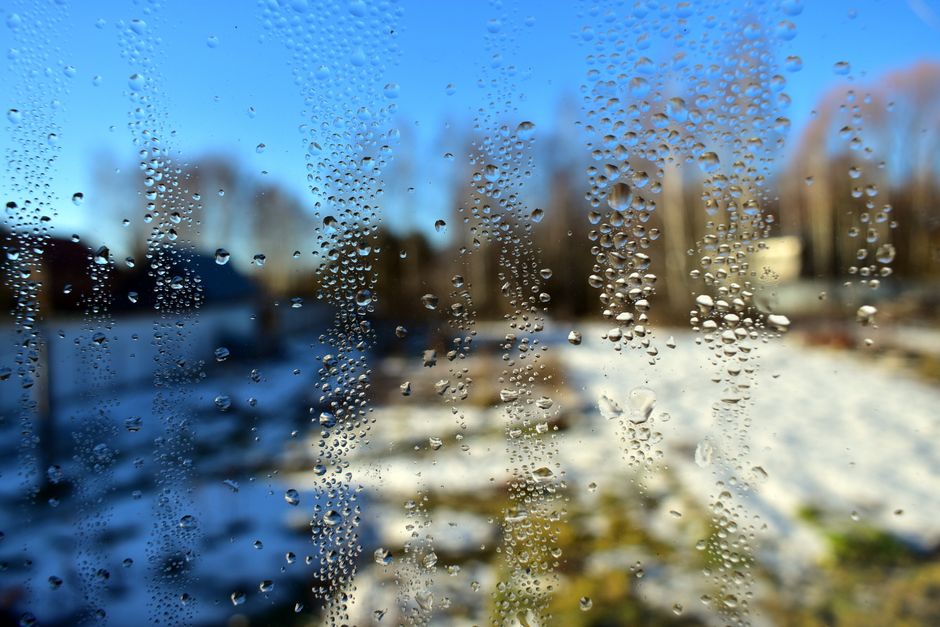
Photo by Алексей on Pexels
Here's what's actually happening: your windows are acting like thermal weak points. Even when they're closed, they're letting heat pour straight through the glass and out into your garden.
Most Sydney homes were built with single-glazed windows. That single pane of glass does almost nothing to stop heat transfer. Think of it like trying to stay warm while leaning against a cold tile wall. The glass conducts heat from your warm indoor air directly to the cold air outside.
You can't see it happening. But you can definitely feel it.
Why Single-Glazed Glass Acts Like a Heat Escape Route
Single-pane glass is a terrible insulator. It conducts heat rapidly because there's nothing to slow the transfer down. Your heater warms the air in your lounge room, that warm air touches the cold glass, and the heat moves straight through to the outside.
Older Sydney homes, particularly those built before the 2000s, almost all have single glazing. It was standard. It was cheap. And it's now the reason your heating doesn't work properly.
The physics is simple: glass is a good conductor. Heat flows from warm to cold. Your windows are the coldest surface in your home during winter, so that's exactly where your expensive heated air is going.
The 25% Heat Loss You Can't See (But Definitely Feel)
Even when your windows are closed, they're leaking. Sealing gaps and cracks around windows can prevent up to 25% of a home's heat from escaping. That's a quarter of your heating bill disappearing through gaps you probably can't even see.
These gaps exist where the glass meets the frame, where the frame meets the wall, and in the seals around opening windows. They're small. But they add up fast.
This is why you feel cold near windows even when there's no obvious draft. The heat isn't escaping as wind. It's escaping as invisible thermal transfer through the glass and through microscopic gaps in the frames.
Every degree you lose costs you money. And every hour your heater runs to compensate for that loss adds to your power bill.
Four Textile Fixes That Cut Heat Loss Without Replacing Your Windows
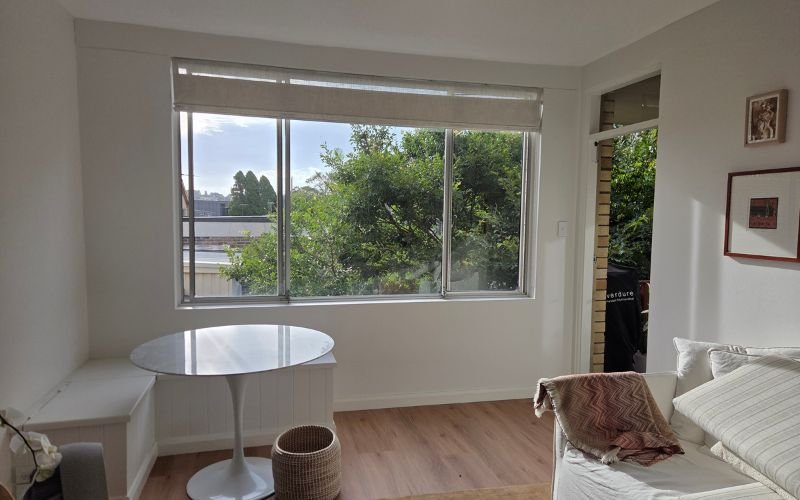
You don't need to rip out your windows and install double glazing. That's expensive, disruptive, and probably overkill for Sydney's relatively mild winters.
What you need are practical, affordable solutions that work with your existing windows. These are weekend projects. Some you can install yourself. Others you can order online and have fitted within a week.
Each one tackles heat loss in a different way. And when you combine them, the difference is immediate.
Honeycomb Blinds: The 40% Heat Transfer Reduction You Can Install This Weekend
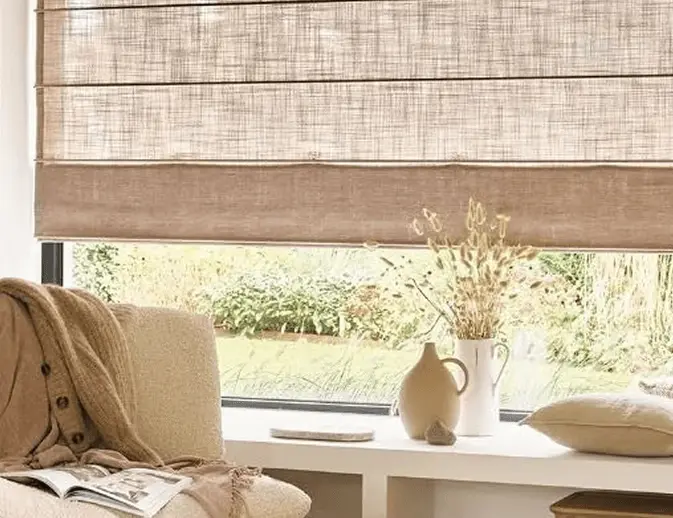
Cellular shades can reduce heat transfer through windows by up to 40%. That's not a small improvement. That's the difference between a cold room and a comfortable one.
The honeycomb structure traps air in small pockets between the layers of fabric. That trapped air acts as an insulating barrier between your warm room and the cold glass. It's the same principle as double glazing, but achieved with fabric instead of an extra pane of glass.
You can measure your windows, order cellular shades online or from Bunnings, and install them yourself with basic tools. Most come with brackets that screw into the window frame or the wall above it.
They work year-round, too. In summer, they block heat from coming in. In winter, they stop it from getting out.
Thermal-Backed Curtains That Actually Reach the Floor (Not Halfway Down)
Heavy curtains can reduce heat loss by up to 50% when closed at night. But only if they're installed properly.
Here's the critical detail most people get wrong: your curtains must reach the floor. If they stop halfway down the window, warm air circulates underneath them and straight back to the cold glass. You've just wasted your money.
Thermal-backed or insulated drapes have a thick lining that blocks heat transfer. They're heavier than regular curtains, and they make a noticeable difference the first night you use them.
Close them before sunset. That's when Sydney's temperature drops fastest. If you wait until you're already cold, you've already lost the heat you're trying to keep. For more on effective layering strategies, see our guide on Sheers By Day Blockouts By Night Layering Curtains.
Layering Window Treatments for Sydney's 8°C Winter Mornings
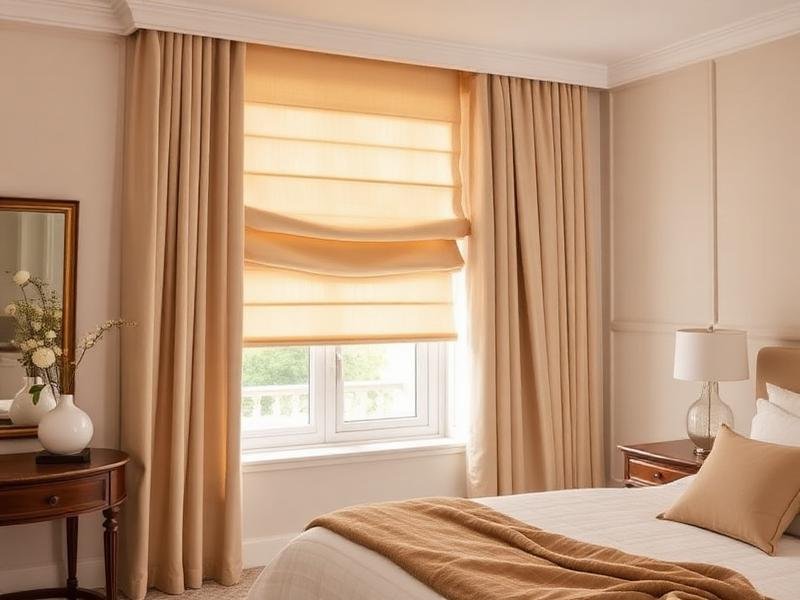
Combining treatments gives you the best of both worlds. Cellular shades during the day for light control. Heavy curtains at night for maximum insulation.
Sydney's winter is specific: mild days, genuinely cold mornings around 8°C, and evenings that drop fast once the sun sets. You don't need the same level of insulation all day. Layering lets you adjust based on what's actually happening outside.
Use the blinds when you want natural light but still need some insulation. Add the curtains when the temperature drops and you're trying to keep the warmth in overnight.
This flexibility matters. You're not locked into one solution. You can adapt to how cold it actually gets, rather than guessing what you'll need months in advance.
The Simple Pelmet Addition That Traps Warm Air Where You Need It
Pelmets seal the top of your curtains or blinds. Without them, warm air rises, hits the top of your window treatment, and escapes upward. With them, that warm air stays trapped between the fabric and the glass.
Close-fitting blinds or pelmeted curtains create an insulating layer of air that acts as a buffer. The warmer that buffer stays, the less heat you lose through the window itself.
You can build a simple pelmet from timber as a DIY project, or buy fabric-covered versions that match your curtains. Either way, it's a small addition that makes everything else work better.
Think of it as the finishing touch. Your curtains and blinds do the heavy lifting. The pelmet makes sure none of that effort goes to waste.
Your Windows Don't Need to Be the Coldest Part of Your Home
Your windows are the problem. But textile solutions can dramatically reduce heat loss without the cost and disruption of replacing them.
These fixes are affordable. They're achievable. And they work.
Start with one room. Your lounge room is usually the best place because that's where you spend your evenings. Measure the difference after a week. You'll notice it in how the room feels, and you'll see it in your next power bill.
You don't have to keep wasting money on heating that just escapes through the glass. Fix the windows, and the heating you're already paying for will actually do its job.