

Matching Window Treatment Styles to Room Function: A Practical Room-by-Room Guide
Most homeowners walk into a showroom and pick curtains they like, then hang the same style in every room. It looks coordinated. It also creates problems you won't notice until you're lying awake at 5am because your bedroom blockout isn't blocking anything, or you're wrestling with heavy drapes every time you want to open the sliding door to your deck.
Different rooms need different window treatments based on how you actually live in them. Your kitchen doesn't function like your bedroom. Your living room doesn't have the same requirements as your bathroom. Treating them all the same ignores the reality of daily use.
The approach that works: start with room function, layer in climate considerations for your specific zone, then coordinate visually across spaces. Function first. Always.
Why the Same Curtains Don't Work in Every Room (And What Does)
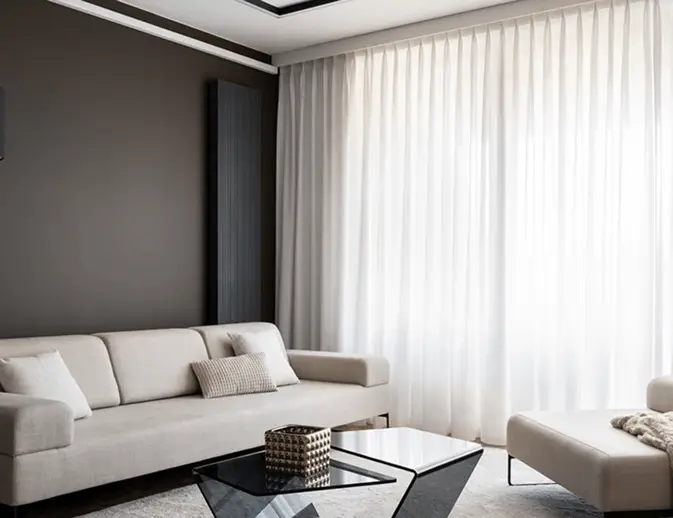
You've probably experienced this. The sheer curtains that look beautiful in your living room let in so much morning light that your bedroom becomes unusable past 6am. Or the heavy lined drapes that provide perfect privacy in the bedroom make your open-plan living area feel closed off from the outdoor space you specifically designed to connect with.
Australian homes face challenges that make generic solutions particularly problematic. We deal with harsh sun, varied climate zones, and a cultural emphasis on indoor-outdoor living that most international design advice completely misses. Australia has eight distinct climate zones, each requiring different passive design strategies for comfort.
This isn't about design theory. It's about practical problems. The grease buildup on fabric curtains near your stove. The mould forming on heavy drapes in your humid bathroom. The expensive motorised blinds you never use because they're too slow when you just want to open the door. For more guidance on creating functional spaces, check out our Blog for additional insights.
Step 1: Match Window Treatments to How You Actually Use Each Room
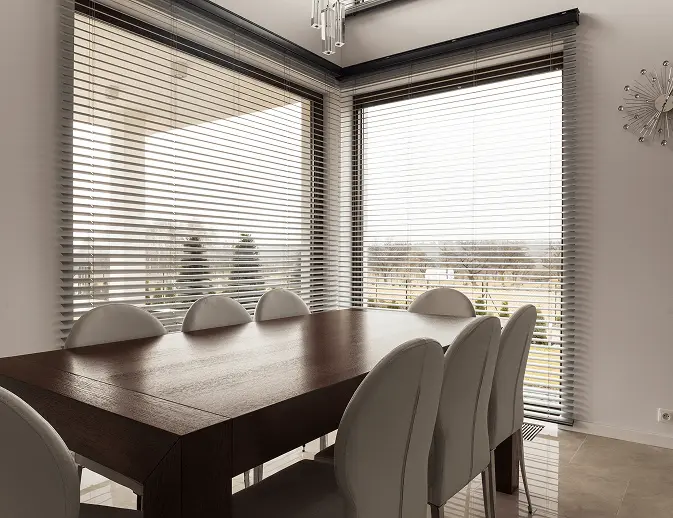
Before you think about colour or style, consider what you actually do in each room. This determines fabric weight, opacity, operation type, and maintenance needs. Everything else follows from this.
Think about your daily routines. How often do you open and close the treatments? Do you need complete darkness or just privacy? Are you cooking near the window? Is moisture a factor? These questions matter more than whether the curtains match your throw pillows.
Living Areas: Balance Light Control with Indoor-Outdoor Flow
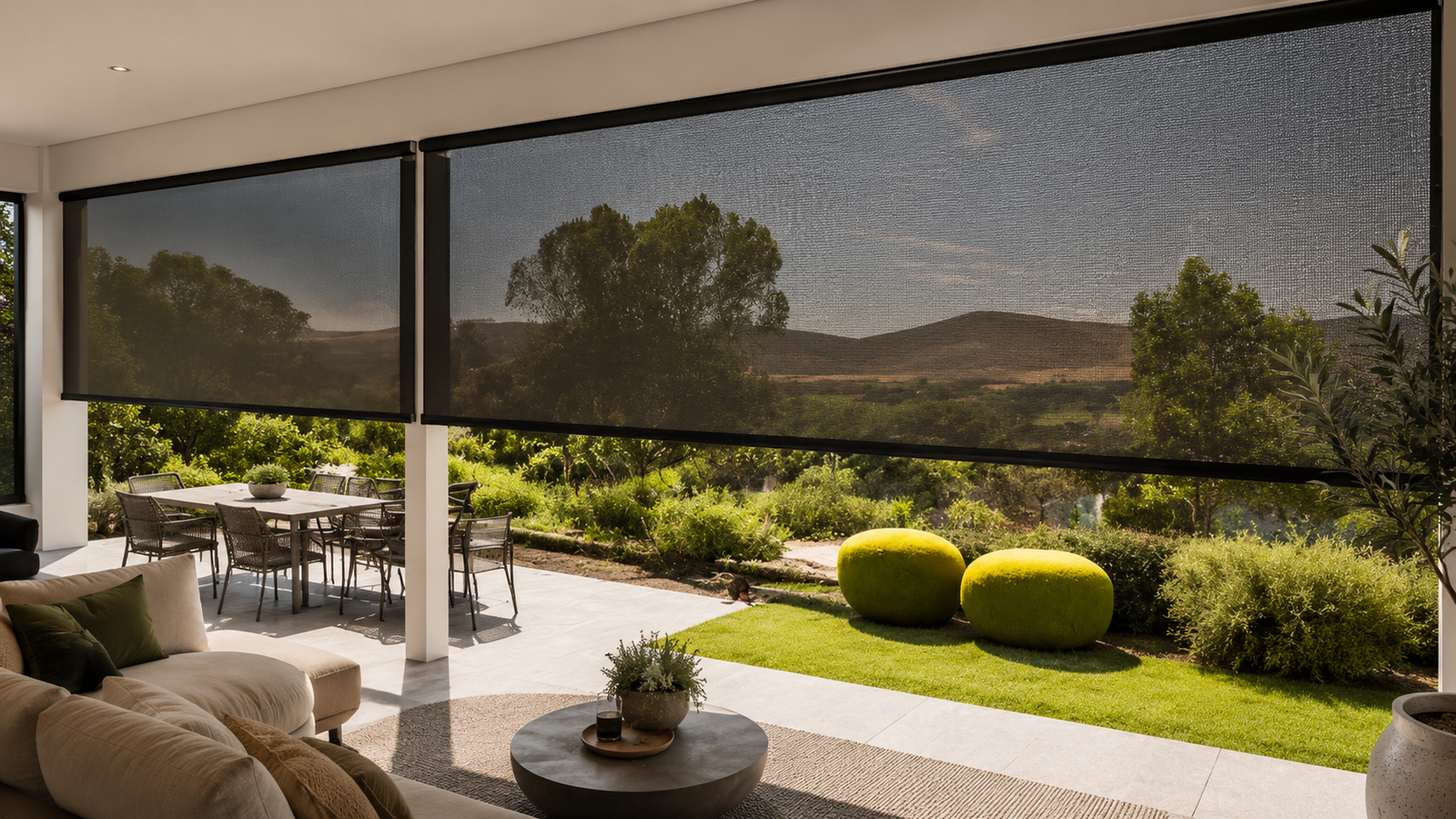
Indoor-outdoor living defines Australian home design. Your window treatments can either support that flow or kill it completely. The wrong choice turns your carefully planned connection to the deck or garden into a visual barrier you have to manage constantly.
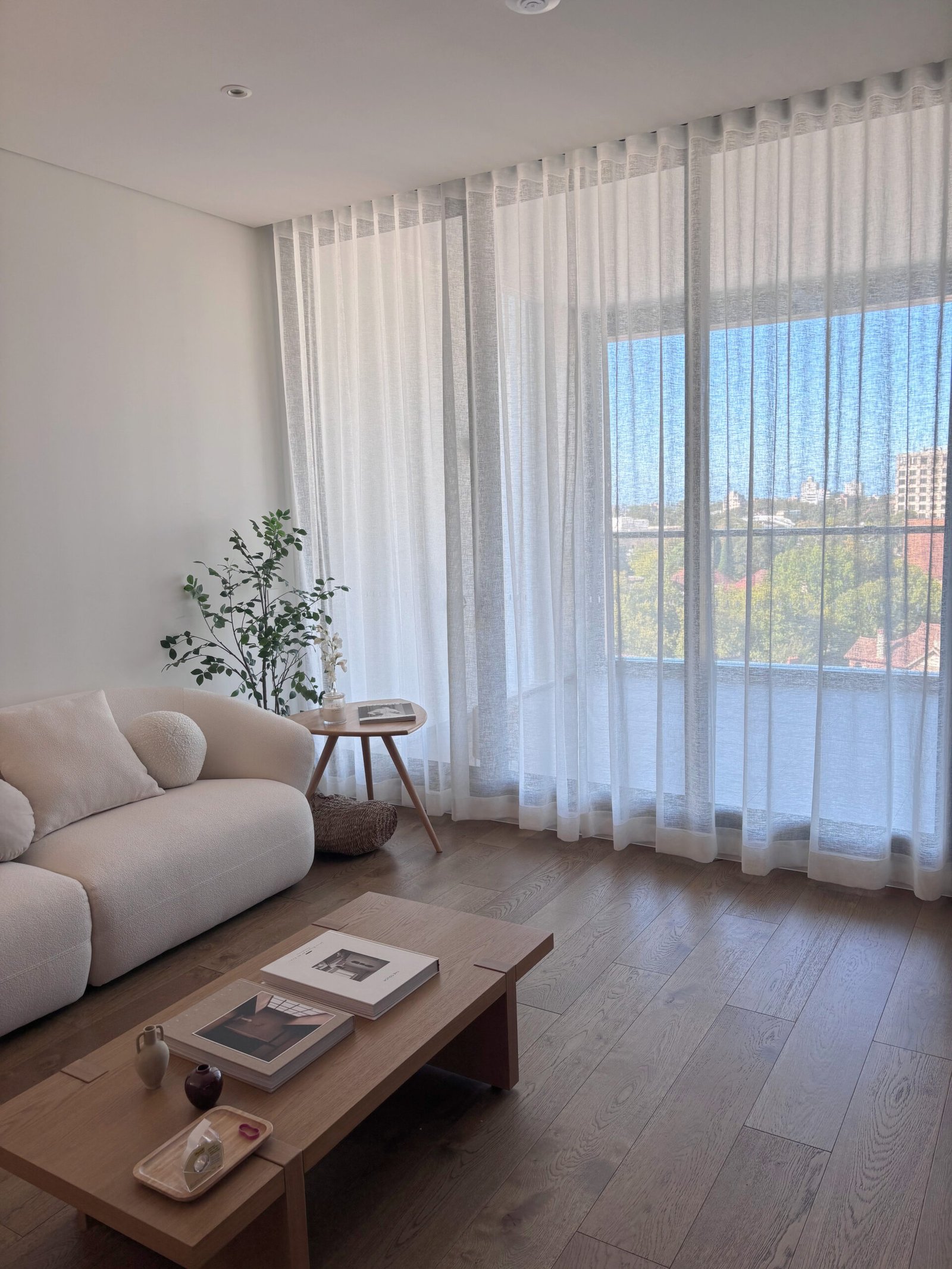
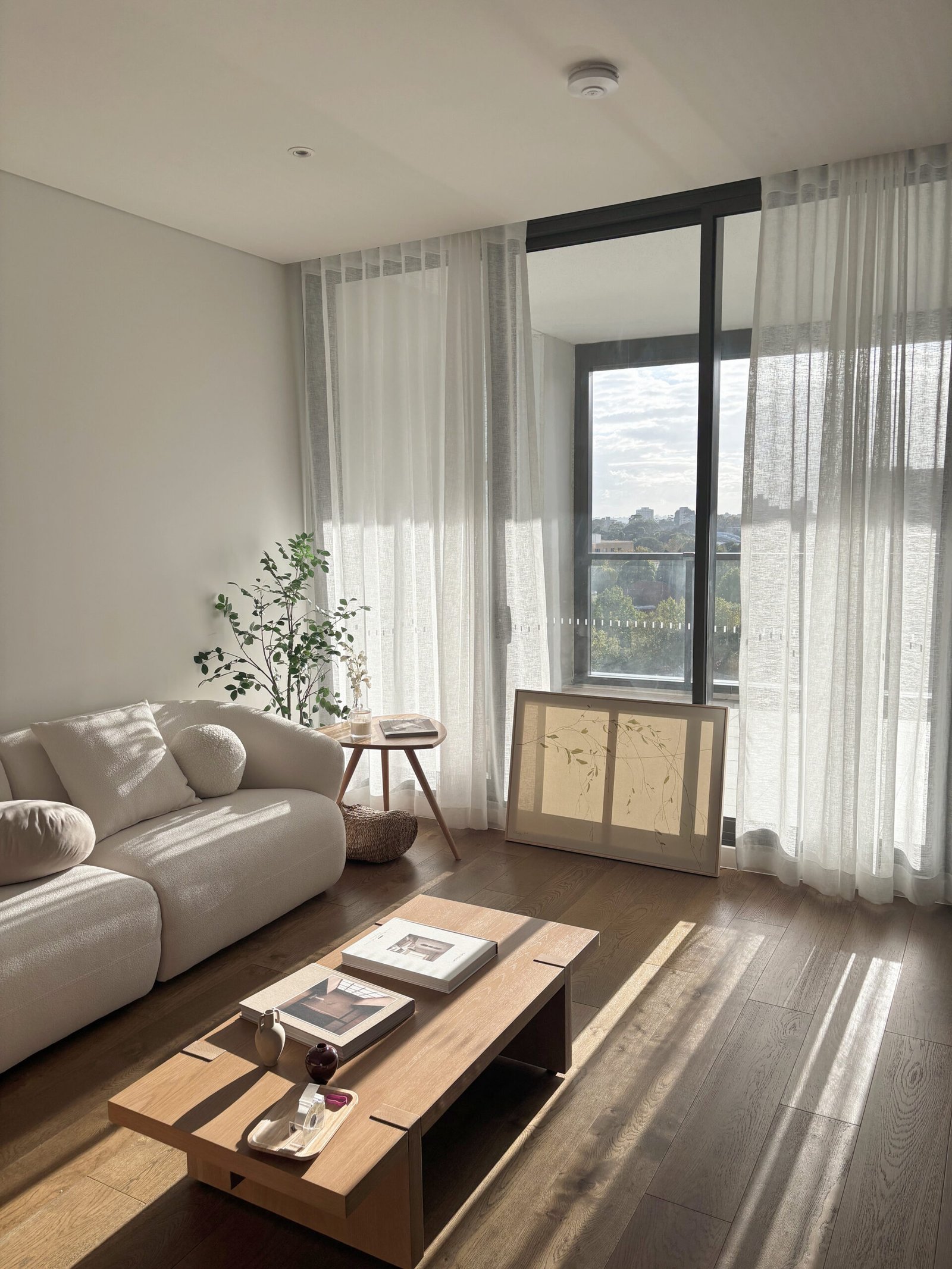
Layered solutions work best here. Sheer or light-filtering options for daytime maintain your views and natural light. Add heavier options for privacy and glare control when you need them. The key word is options. You want flexibility, not a single solution that compromises one need for another.
Operation matters significantly. If you have large sliding doors, you need easy-operation systems like motorised tracks or simple pull cords. Anything that requires fussy daily adjustment or blocks access to outdoor areas will frustrate you within a week. Modern Australian homes emphasize natural light and open-plan layouts. Your treatments should enhance this, not hinder it.
Bedrooms: Prioritise Sleep Quality Over Style
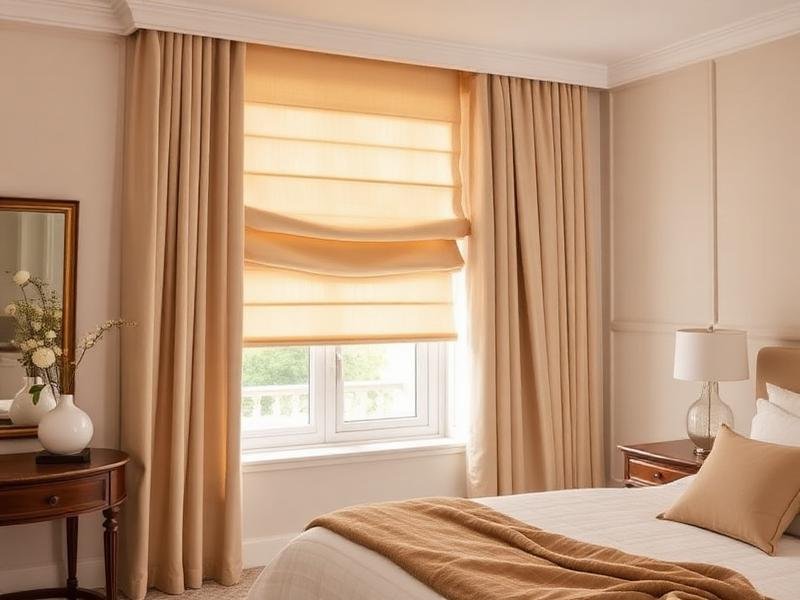
The primary function of bedroom window treatments is blocking light for quality sleep. This matters especially for shift workers or young families dealing with early sunrise. Style comes second.
Blockout and room-darkening options serve different purposes. Complete blockout eliminates virtually all light. Room-darkening significantly reduces it but allows some light penetration. Choose based on your actual sleep needs, not aesthetics. If you're considering layered approaches, our guide on Sheers By Day Blockouts By Night Layering Curtains explains how to combine functionality with visual appeal.
Heavier fabrics provide noise reduction benefits for street-facing bedrooms. If traffic noise disrupts your sleep, this matters more than matching your bedspread. Consider layering sheers behind blockout options for daytime privacy without darkness. You get flexibility without sacrificing the core function.
Kitchens and Bathrooms: Choose Materials That Handle Moisture and Grease
These rooms need materials that resist moisture and grease buildup while being easy to clean. Fabric curtains near cooking areas absorb grease and odours. They look terrible within months and require dry cleaning you'll never actually do.
Aluminium or PVC blinds work well. Moisture-resistant roller blinds handle humidity. Plantation shutters provide both durability and easy cleaning. All can be wiped down quickly, which is the maintenance reality you'll face.
For bathrooms, you need privacy while allowing ventilation and natural light. Moisture resistance is non-negotiable. Anything that can't handle steam or be wiped down easily will fail.
Step 2: Factor in Your Climate Zone and Sun Exposure
What works in Melbourne won't work in Darwin. Australia's eight climate zones require different passive design strategies, and window treatments are part of that system. Treating Australia as one climate ignores significant regional differences that directly impact comfort and energy costs.
Identify your climate zone. Consider your home's sun exposure patterns. North-facing windows in Sydney behave differently than east-facing windows in Cairns. These factors determine whether you need heat blocking, insulation, or flexibility for seasonal changes.
Northern Australia: Block Heat Without Blocking Breezes
Tropical and hot humid zones require maximising shade and natural ventilation. Design strategies in northern Australia can reduce household energy usage by up to 50%. Your window treatments contribute to this.
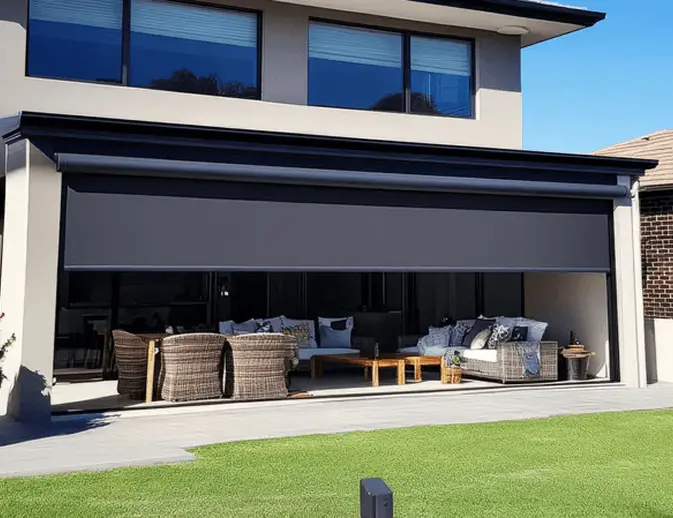
External shading solutions work best where possible. Light-coloured reflective treatments that block heat but allow airflow provide the next best option. Louvres, external blinds, or light-filtering options that can be adjusted throughout the day give you control without trapping heat.
Heavy, insulating treatments that trap heat or block airflow create problems in tropical zones. You need solutions that work with natural ventilation, not against it.
Temperate Zones: Adapt for Seasonal Swings
Sydney, Melbourne, Adelaide face both hot summers and cool winters. You need flexibility for seasonal changes. Single-purpose solutions that only work for one season force you to choose between summer comfort and winter warmth.
Dual-purpose solutions like cellular blinds provide insulation. Layered systems you can adjust seasonally give you options. Temperate zones require balance between passive solar heating in winter and cross ventilation in summer.
Choose treatments that can be fully opened in summer to catch breezes but provide insulation in winter. This adaptability matters more than perfect performance in any single season.
Cold Climate Areas: Trap Heat While Maximising Winter Sun
Areas like the Snowy Mountains or Tasmania prioritise heat retention. Insulating treatments matter significantly. Cellular blinds, heavy lined curtains, or shutters that create an air gap all reduce heat loss.
The strategy requires nuance. Open treatments during sunny winter days to capture passive solar gain. Close them at night to trap heat. Cold climate passive design emphasizes solar gain, thermal mass, and insulation for heat retention.
Thin, single-layer treatments do nothing for insulation. They're a waste of money in cold climates where heat retention directly impacts comfort and energy costs.
Step 3: Coordinate Across Rooms Without Making Everything Match
Once you've addressed function and climate for individual rooms, create visual flow throughout your home. Coordination doesn't mean identical. It means thoughtful connection.
Different rooms can have different treatment types while still looking cohesive. The bedroom can have blockout roller blinds while the living room has layered curtains. What matters is the connecting element that ties them together.
Pick One Element to Repeat (Not Everything)
Choose a unifying element: same colour family, same hardware finish, or same operation style. This creates connection without forcing identical solutions that ignore functional needs.
Examples that work: white sheer layers in every room with different blockout options behind them. Consistent timber-look hardware across different treatment types. The same warm neutral base colour with room-specific variations in opacity or weight.
Trying to match everything looks forced and ignores the functional needs of different spaces. Don't buy everything from the same collection just for consistency.
Use Warm Neutrals as Your Base in 2026
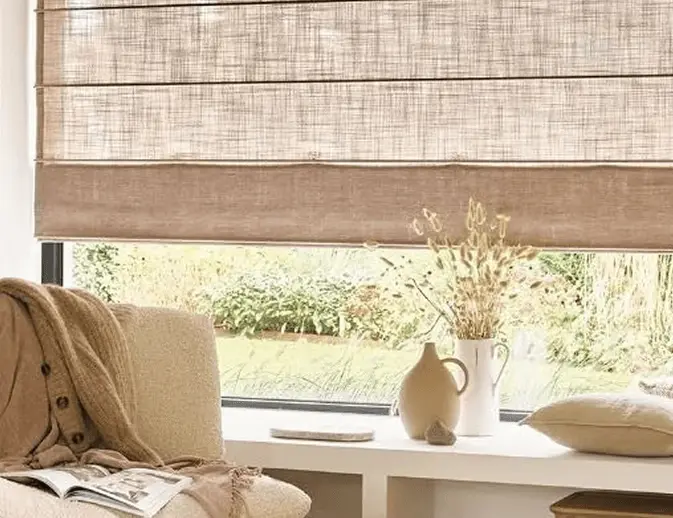
In 2026, there is a shift towards warmer tones in interior design, with soft beiges, warm off-whites, and warm taupes replacing cool greys. These tones work across different treatment types and room functions while feeling current.
Use warm neutrals as your base layer. Add room-specific colours or patterns if desired, but the neutral base provides flexibility for future furniture changes. Warm minimalism emphasizes comfort and livability with natural materials like timber and linen. Your window treatments should support this direction.
Trendy colours date quickly and won't work with future changes. Warm neutrals provide longevity without looking dated. If you're exploring different aesthetic approaches, our comparison of Modern Vs Classic Roman Blinds Which One Suits Your Home can help you understand how style choices impact long-term satisfaction.
Let High-Traffic Rooms Set the Tone
Start with your most-used, most-visible spaces like the living room or open-plan area. These rooms should set your colour palette and style direction. Other rooms coordinate to them, not the other way around.
Bedrooms and private spaces can deviate more since they're not part of the main visual flow. The guest bedroom doesn't need to match the living room perfectly. It needs to function well for its purpose while maintaining a general connection to your overall palette.
Starting with bedrooms or bathrooms and trying to make public spaces match them creates problems. Public spaces have more constraints and more visibility. Let them lead.
Getting It Right Room by Room Pays Off
Thoughtful, room-specific choices create both immediate comfort and long-term value. You'll actually use the treatments instead of working around them. You'll sleep better. Your living spaces will function better. Your maintenance burden will be lower.
The three-step process prevents expensive mistakes. Function first, then climate considerations, then visual coordination. This order matters. Reversing it leads to beautiful treatments that don't work for how you actually live.
Taking time to match treatments to each room's needs means you'll enjoy them for years. The alternative is replacing them within months because they don't work, which costs more and frustrates more than getting it right the first time.