

Roman vs Roller vs Venetian: What Actually Works Best
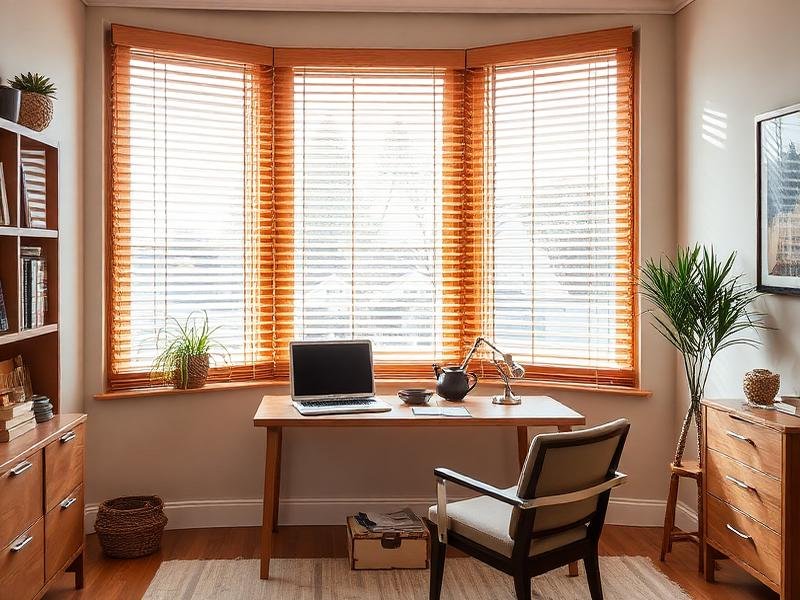
You've probably spent hours scrolling through blind options, reading reviews, and getting contradictory advice from different retailers. One tells you Romans are the only choice for bedrooms. Another insists Venetians are superior for light control. A third pushes rollers as the practical solution for everything.
Here's the truth: there's no universal "best" blind. There's only the right match for your specific room, how you actually live in that space, and what you're willing to tolerate in terms of maintenance and cost.
This isn't about features and benefits. It's about matching function to your daily routine. Do you work night shifts and need complete darkness at 2pm? Do you have young kids who'll destroy anything delicate? Is your west-facing living room a furnace every summer afternoon? These questions matter more than any marketing claim about "premium quality" or "ultimate versatility".
What follows is an honest analysis of where each blind type succeeds and where it disappoints. No sugarcoating. No pretending one style works for every situation. For more detailed comparisons of specific styles, check out our Blog for additional guidance.
The Real Question: Which Blind Actually Suits Your Life?
Stop shopping for "the best blind" and start thinking about what you actually need from your windows.
Are you someone who adjusts blinds constantly throughout the day, or do you set them once and forget about them? Do you have the patience to clean individual slats every few weeks, or does that sound like torture? Can you afford to replace fabric blinds in three years if they start looking tired, or do you need something that'll last a decade with minimal intervention?
Your maintenance tolerance matters as much as your budget. A $400 set of Roman blinds might seem reasonable until you realise they need dry cleaning every six months in a dusty area. A $200 set of rollers might feel cheap until you appreciate that you can wipe them down in thirty seconds.
The right blind depends on factors most retailers won't discuss honestly: how much natural light you're willing to sacrifice for privacy, whether you prioritise aesthetics over function, and what actually annoys you in daily use. A blind that looks perfect in a showroom can become a daily frustration if it doesn't match how you live.
The following sections analyse each type through this practical lens. Not abstract features. Real scenarios where each option works well and where it fails.
Roller Blinds: The Workhorse (But Not for Every Room)
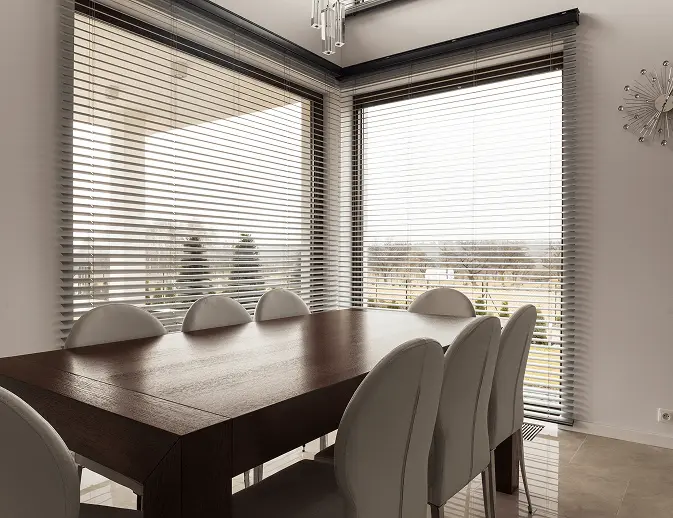
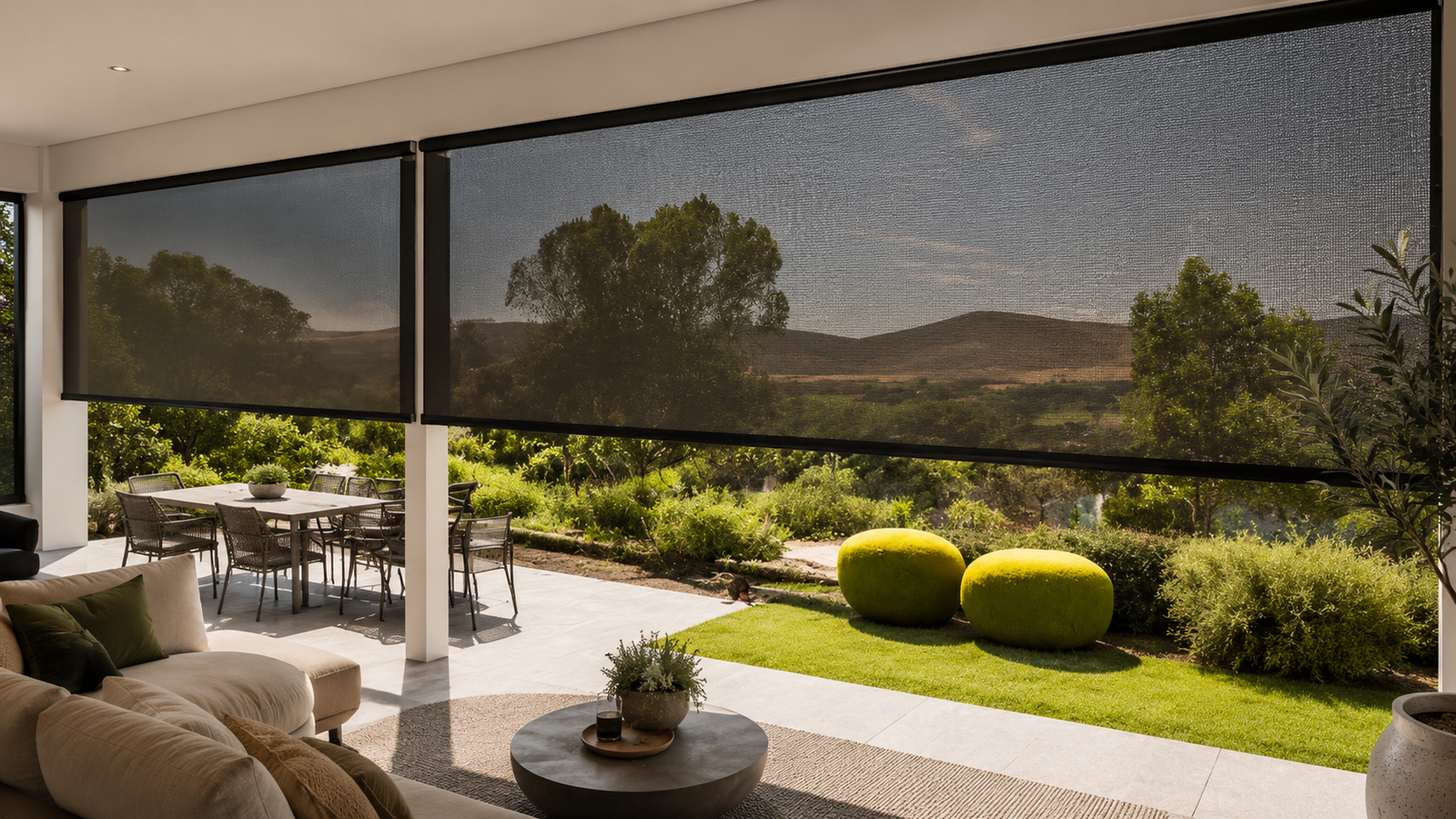
Rollers are the reliable option that handles most situations competently without excelling at any one thing. They're straightforward, affordable, and available in various motorised options like Eve MotionBlinds if you want smart home integration or have hard-to-reach windows.
Double roller systems give you two fabric layers on one bracket, letting you switch between sheer and blockout depending on the time of day. This adds flexibility without the complexity of layering separate treatments.
But don't mistake versatility for perfection. Rollers have clear limitations that frustrate people who choose them for the wrong spaces.
Where Rollers Actually Excel
Rollers work best in high-traffic areas where durability and simple operation matter more than nuanced light control. Kids' rooms, hallways, and spaces where you need quick up-down functionality without fuss.
They're particularly good in kitchens and bathrooms. Moisture doesn't damage them the way it ruins fabric blinds, and you can wipe cooking splatter or bathroom condensation off in seconds. No fabric to absorb odours. No slats to collect grime.
Motorised rollers make sense for windows above kitchen sinks or in bathrooms where you don't want to lean over fixtures to operate them. The convenience isn't just luxury—it's practical when your hands are wet or full.
If you work from home and have windows behind your desk that you rarely adjust, rollers do the job without overthinking it. Set them at the right height once and leave them there.
Where They Fall Short (And People Regret the Choice)
Rollers are all-or-nothing. Either up or down. This frustrates people who want to reduce harsh afternoon sun without plunging the room into darkness.
You can't redirect light with rollers. If the sun's hitting your TV screen at 4pm, your only option is to block it completely and lose all natural light. That's fine if you don't care about keeping the room bright. It's maddening if you do.
In formal living areas or main bedrooms where aesthetics matter, cheaper roller fabrics can look dated quickly. They're functional, but they don't add warmth or texture the way fabric treatments do. If you're trying to create a sophisticated look, rollers often feel like the budget option—because they usually are.
People also underestimate how visible the roller mechanism is. In minimalist spaces where you want clean lines, that tube at the top of the window can feel bulky and industrial.
Venetian Blinds: Precision Control at a Cost
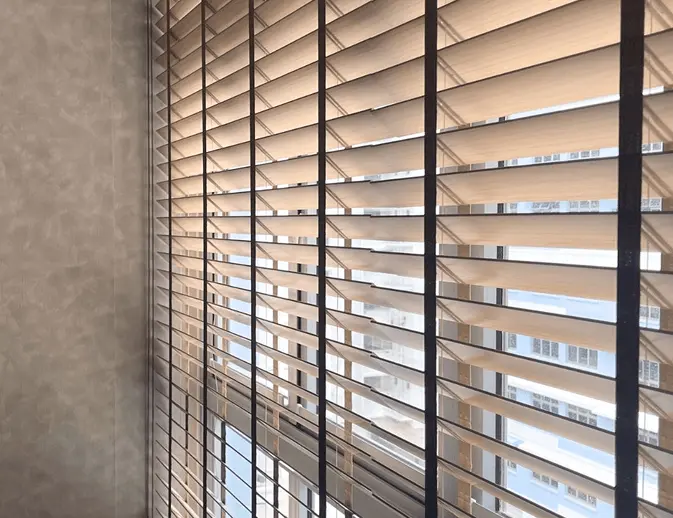
Venetians give you granular control over light direction and privacy throughout the day. The slat system lets you tilt for light while maintaining privacy—something rollers simply can't do.
They come in aluminium and timber-look finishes. Aluminium works well in wet areas like bathrooms and laundries because it won't warp or deteriorate from moisture exposure.
This precision comes with maintenance demands that retailers rarely emphasise upfront. You need to know what you're signing up for.
The Light Control Advantage (And When It Matters)
Tilting slats lets you redirect harsh afternoon sun while keeping the room bright. This matters enormously in home offices or living rooms where screen glare is a daily problem.
Scenario: you're working from home and the sun's hitting your monitor at 2pm. With rollers, you'd have to block all light to eliminate glare, making the room dark and depressing. With Venetians, you tilt the slats to redirect the sun toward the ceiling while maintaining enough natural light to work comfortably.
That level of control also matters in living areas where you want privacy from neighbours without feeling like you're sitting in a cave. Tilt the slats down so people can't see in, but light still enters from above.
If you're someone who adjusts blinds multiple times a day based on sun position, Venetians are worth the extra cost and maintenance. If you set blinds once and leave them, that precision is wasted.
The Maintenance Reality No One Mentions
Dust accumulates on individual slats. Not just a light coating—visible buildup that makes the blinds look grimy within weeks in dusty Australian climates or homes near busy roads.
Cleaning them properly takes time. You can't just wipe the whole thing down in one motion. Each slat needs individual attention, or you're just smearing dust around.
Aluminium blinds are easier to maintain than timber or faux-timber options. You can wipe them with a damp cloth without worrying about damage. Timber-look finishes require more care and can deteriorate if you're not gentle.
This becomes a genuine issue in certain rooms. Venetians in a home office or bedroom where you spend hours daily? You'll notice the dust. In a rarely-used guest room? Less of a problem.
Don't downplay this. It's a common reason people regret Venetians after six months of ownership.
Roman Blinds: The Style Choice With Trade-Offs
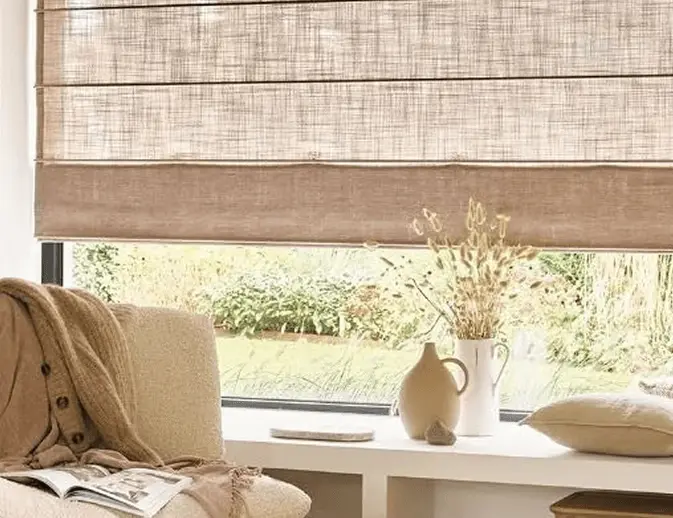
Romans are the aesthetic upgrade that designers favour for formal spaces, but they come with practical compromises most homeowners don't anticipate.
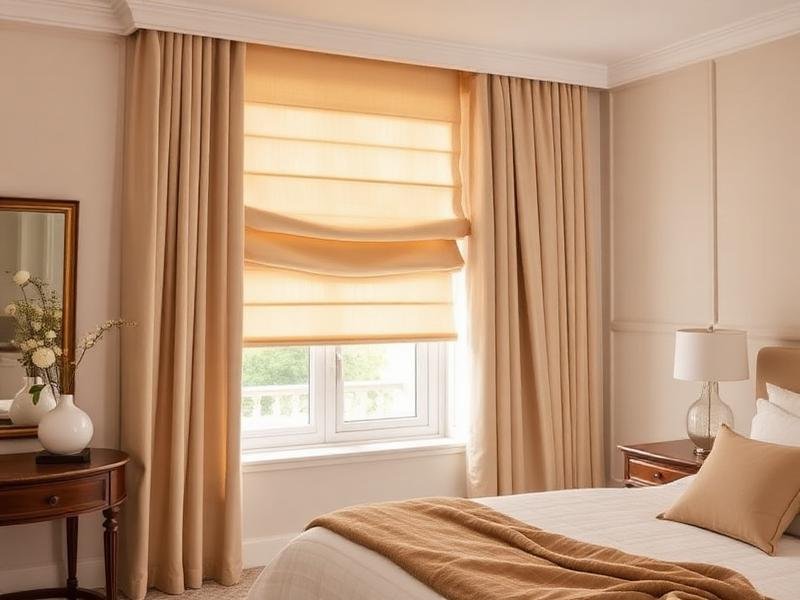
They're fabric-based with horizontal folds that stack when raised, creating a softer, more textured look than hard blinds. They're available in motorised options via SmartHub systems, which can control up to 20 sets of blinds from a central hub if you're outfitting multiple rooms.
Style comes at the cost of maintenance and durability in certain environments. You need to understand these trade-offs before committing.
Why Designers Love Them (And When Homeowners Don't)
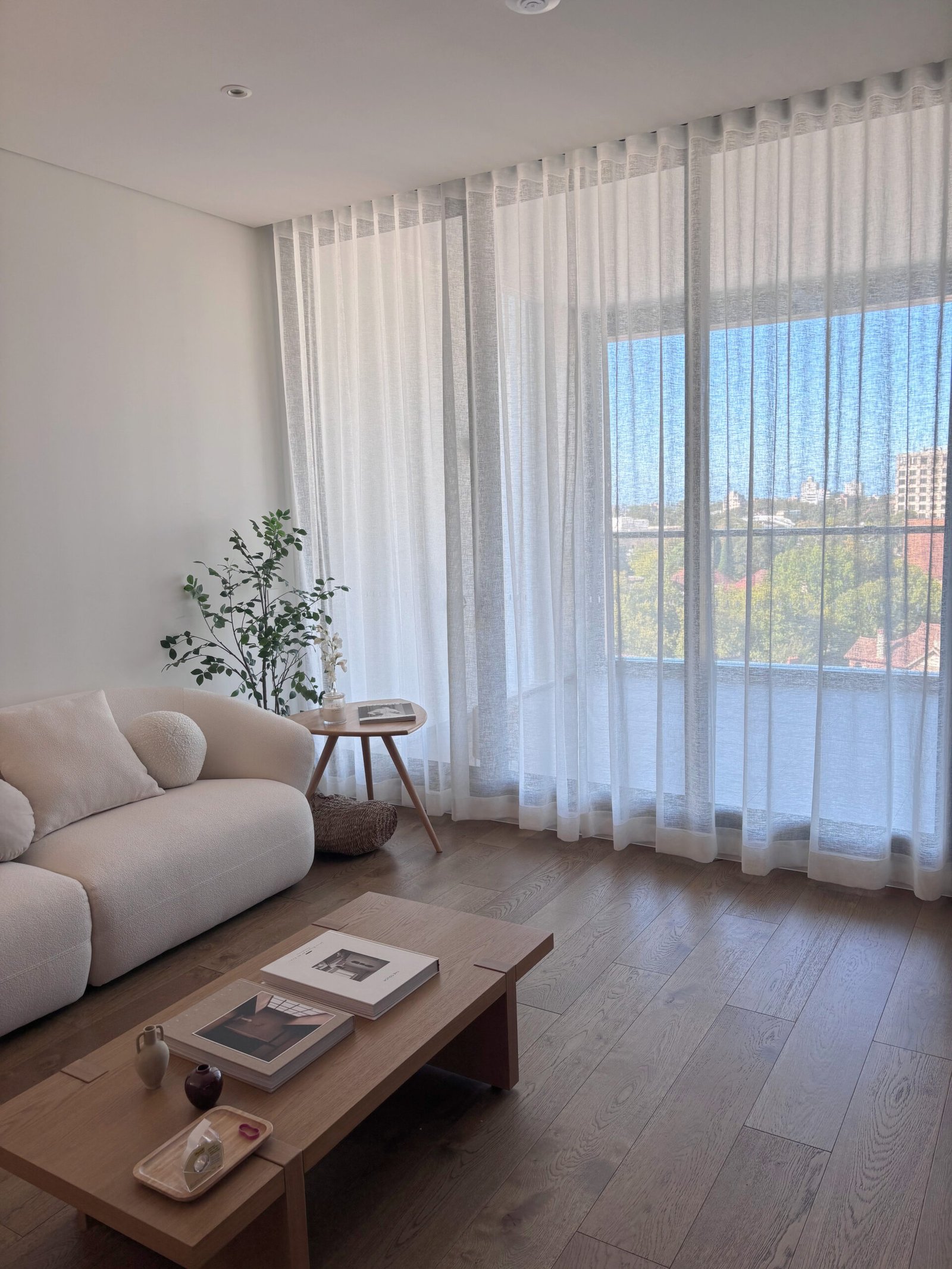
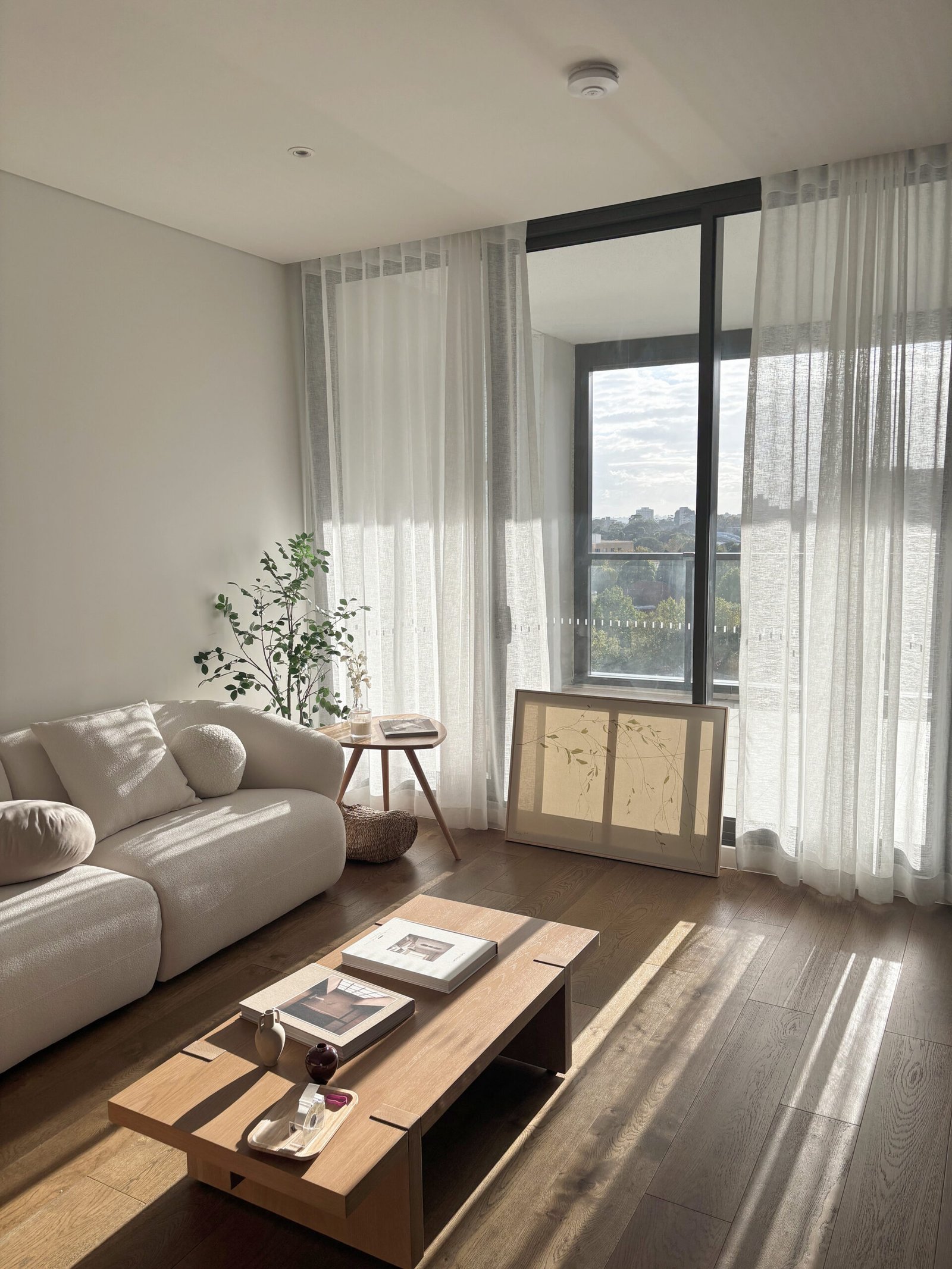
Romans add texture and warmth to bedrooms and formal living areas in ways that hard blinds can't match. They soften the space, create visual interest, and feel more considered than a basic roller. For insights on pairing Romans with other treatments, see our guide on Sheers By Day Blockouts By Night Layering Curtains.
Designers love them because they elevate a room's aesthetic immediately. Homeowners often don't love them because they're slower to operate, harder to clean, and less practical in high-use areas.
Scenario: Romans look beautiful in a guest bedroom that's used twice a year. They're annoying in a main bedroom where you adjust them daily. The fabric catches, the folds don't stack evenly, and the mechanism feels fiddly compared to the smooth operation of a roller.
Both perspectives are valid for different situations. If aesthetics are your priority and you're willing to tolerate slower operation, Romans deliver. If you value speed and simplicity, they'll frustrate you.
The Fabric Factor: What Actually Holds Up
Fabric choice determines whether Romans become a maintenance headache or remain practical over time.
Lighter fabrics show dust and require more frequent cleaning. They also tend to fade faster in direct sunlight, which matters if you're installing them on west-facing windows that cop harsh afternoon sun.
Heavier fabrics hold their shape better and look more substantial, but they cost more upfront. If you're considering Romans, budget for quality fabric or accept that you'll need to replace them sooner than you'd replace rollers or Venetians.
Never install Romans in kitchens or bathrooms. Fabric absorbs moisture and cooking odours, and it deteriorates quickly in those environments. You'll end up replacing them within a year or two, which makes them a false economy no matter how good they look initially.
Your Actual Decision: Match the Blind to the Room
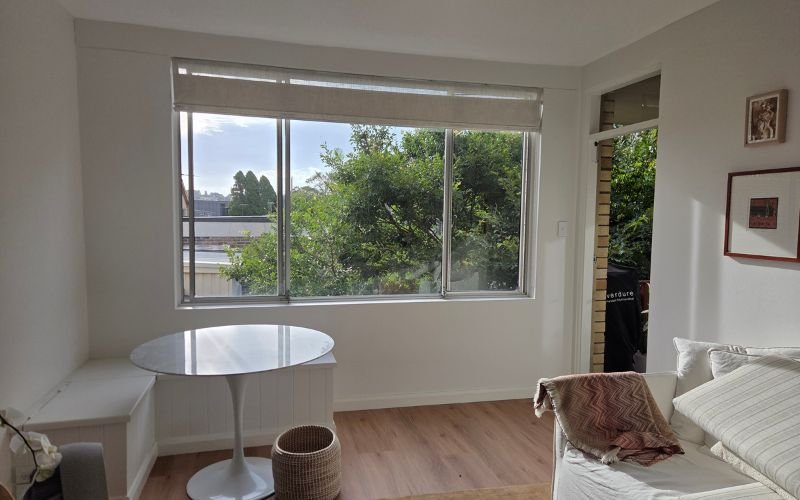
There's no universal winner. Only the right match for each specific space in your home.
Most homes benefit from mixing blind types rather than using one style throughout. Rollers in the kitchen, Venetians in the living room, Romans in the main bedroom. Match function to need, not brand consistency.
The following recommendations are based on the honest analysis above. Not marketing claims. Real scenarios where each type succeeds or disappoints.
Bedrooms and Living Areas
For bedrooms needing complete light blockout—shift workers, young children, anyone sensitive to early morning sun—double roller blinds are the practical choice. Two fabric layers give you flexibility without complexity.
If aesthetics matter more than speed of operation, Romans work well in main bedrooms or formal living rooms. You'll tolerate the slower mechanism because the room looks better. If you're exploring different Roman styles, our article on Modern Vs Classic Roman Blinds Which One Suits Your Home covers the options in detail.
Venetians excel in living areas where you want to control afternoon sun without losing all natural light. The ability to tilt slats and redirect light makes them worth the maintenance if you're home during the day and adjust blinds frequently.
Decision framework: prioritise light control for bedrooms, balance aesthetics and function for living areas.
Kitchens, Bathrooms, and High-Traffic Zones
Roller or aluminium Venetian blinds for kitchens and bathrooms. Moisture resistance and easy cleaning are non-negotiable in these spaces.
Do not install Romans in kitchens or bathrooms. Fabric absorbs moisture and cooking smells, requiring frequent replacement. It's not worth the aesthetic upgrade when the practical lifespan is so short.
For high-traffic areas like hallways or kids' playrooms, rollers are the default choice. Durability and low maintenance matter more than nuanced light control in spaces where you're not spending extended time.
If you're unsure about a particular room, default to rollers in wet or high-use areas and save Romans for low-traffic formal spaces. You can always upgrade later if you decide aesthetics matter more than you initially thought.