How to Layer Window Treatments Without Looking Overdone
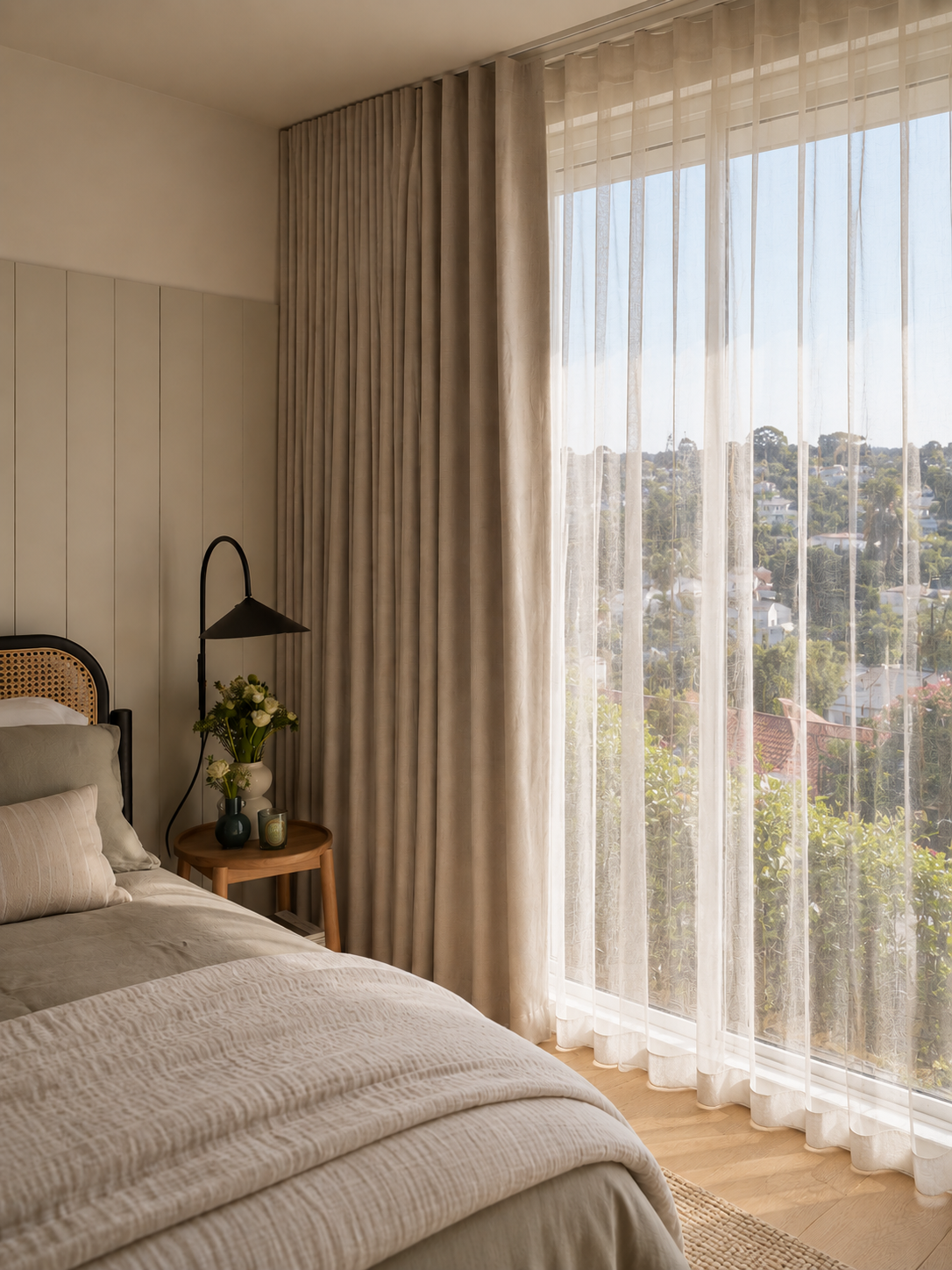
You're standing in front of your window with a roller blind already installed, holding fabric samples for curtains, and wondering: will this look elegant or excessive? It's a question that stops many homeowners mid-project. You want the warmth of layered treatments, the flexibility to control light throughout the day, and maybe some insulation against Brisbane's summer heat or Melbourne's winter chill. But you've seen enough overdone windows to know that more isn't always better.
The challenge isn't just aesthetic. You need actual function: privacy when you're home during the day, blockout for sleeping, and the ability to let natural light flood in when you want it. The trick is achieving all of this without your windows looking like they're wearing too many clothes. This article gives you a clear framework for knowing exactly when to stop adding layers.
Why Layering Window Treatments Often Goes Wrong
Pinterest makes layered windows look effortless. Sheer curtains billowing behind linen panels, roman blinds peeking out beneath a tailored pelmet, plantation shutters framed by flowing drapes. Then you try to recreate it in your Queenslander or your modern apartment, and something feels off. The room looks busy. The window feels heavy. You can't quite put your finger on why it doesn't work.
The core problem is this: those inspiration images rarely show you the full context. You don't see how much natural light the room actually gets, whether the ceiling height can handle the visual weight, or how the treatments function in daily life. You're seeing a styled moment, not a lived-in space.
The main culprit is adding layers without understanding what each one actually does. A blockout roller blind serves a clear purpose. So does a sheer curtain. But when you stack them with heavy drapes and a decorative valance, you're not adding function anymore. You're just adding bulk. The question isn't whether each treatment looks good individually. It's whether they work together without competing for attention or overwhelming the window's proportions.
The visual weight problem
Visual weight is exactly what it sounds like: how heavy or dominant something appears in your space. A sheer white curtain has minimal visual weight. A floor-to-ceiling velvet drape in burgundy has substantial weight. Neither is wrong on its own, but combine them with a patterned roman blind and an ornate timber pelmet, and you've created a window that dominates the entire room.
This happens because each element demands attention. The velvet's texture catches light. The pattern on the blind draws your eye. The pelmet adds architectural detail. Individually, they're all attractive. Together, they're exhausting to look at. Your eye doesn't know where to rest.
Here's a specific example: imagine velvet curtains in charcoal grey, paired with roman blinds in a geometric print, topped with a carved timber pelmet. Each piece is well-made and expensive. But the combination creates visual overload. The window becomes the room's focal point by sheer force, not by design. You can't see the view anymore. You can't appreciate the window's architecture. You just see treatments.
When function fights aesthetics
The other common mistake is defensive layering. You think: I might need blockout for sleeping, but I also want sheers for daytime privacy, and curtains would add warmth. So you install all three. Now you have a blockout roller, a sheer roller, and lined curtains on the same window. That's three separate mechanisms to operate every time you want to adjust light or privacy.
In practice, you'll end up using one or two layers regularly and ignoring the third. The unused layer just sits there, adding visual bulk and collecting dust. Worse, all those layers make the window harder to operate. You're reaching around curtains to adjust blinds, or trying to align multiple treatments so they don't bunch awkwardly.
Over-layering doesn't increase functionality. It reduces it. Two well-chosen layers that you'll actually use daily will always outperform three layers where one sits permanently closed or open.
The Three-Layer Rule (And When to Break It)
Most successful window layering uses two to three layers maximum. Three is the ceiling, not the goal. Each layer needs a distinct purpose: one for light diffusion, one for privacy or blockout, one for architectural interest. If you can't clearly articulate why each layer exists, you don't need it.
Many rooms look best with just two layers. A sheer roller for daytime privacy and linen curtains for warmth. Roman blinds for control and side panels for framing. The restraint makes each element more noticeable and appreciated.
When to break the rule? Minimal modern spaces often need only one layer. A well-chosen blockout roller or plantation shutters can handle everything without additional softness. Heritage homes with tall windows and ornate architecture might justify three layers because the window proportions can carry the visual weight. But even then, you're choosing carefully, not just adding everything you like.
Base layer: sheers or privacy liners
The base layer's job is diffusing harsh Australian sunlight while maintaining daytime privacy. You want to see out without neighbours or passersby seeing in. This layer stays closed most of the time, creating a soft backdrop for your other treatments.
Specific options include sheer curtains in white or cream, light-filtering roller blinds, or cellular shades in neutral tones. The key is translucency. You're not blocking light; you're softening it.
You can skip this layer entirely if you have south-facing windows with natural privacy from landscaping or distance from neighbours. You can also skip it in rooms where your middle layer will always be closed during the day, like a bedroom where you work night shifts. Don't install a layer you'll never open.
Middle layer: the functional workhorse
This is your primary light control and privacy layer. You'll operate it most often, so it needs to be practical and easy to use. Aesthetics matter, but function comes first.
Options include blockout roller blinds, roman blinds (lined or unlined depending on your needs), plantation shutters, or lined curtains. Choose based on your actual daily routine. If you need complete darkness for sleeping, you need blockout. If you want adjustable light control throughout the day, roman blinds or shutters give you more flexibility than rollers.
This isn't the layer for experimentation. Pick something you know you'll use every day without frustration. If you're considering Modern Vs Classic Roman Blinds Which One Suits Your Home, think about how often you'll actually raise and lower them.
Top layer: architectural interest
The top layer adds softness, frames the window, or provides architectural detail without functional demands. These are unlined side panels that rarely close, simple valances that hide hardware, or decorative curtains that stay open.
This is the optional layer. Only add it if the window needs visual weight or the room feels too stark with just functional treatments. A modern apartment with floor-to-ceiling windows might not need this layer at all. A formal dining room with traditional architecture might benefit from stationary panels that frame the view.
The test: stand back and look at your window with just the base and middle layers installed. If it looks complete, stop there. If it feels unfinished or too utilitarian, consider adding this third layer. But don't add it by default.
Combinations That Actually Work in Real Rooms
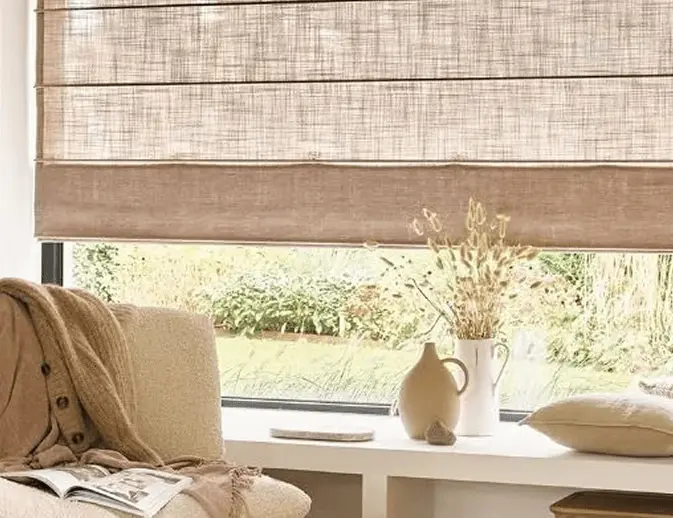
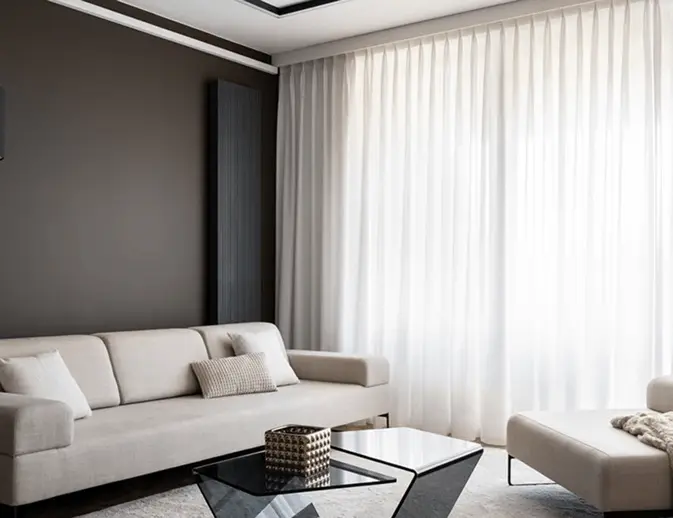
Theory is useful. Tested combinations are better. These setups balance function and aesthetics without looking overdone. They're starting points to adapt to your specific windows and needs, not rigid formulas.
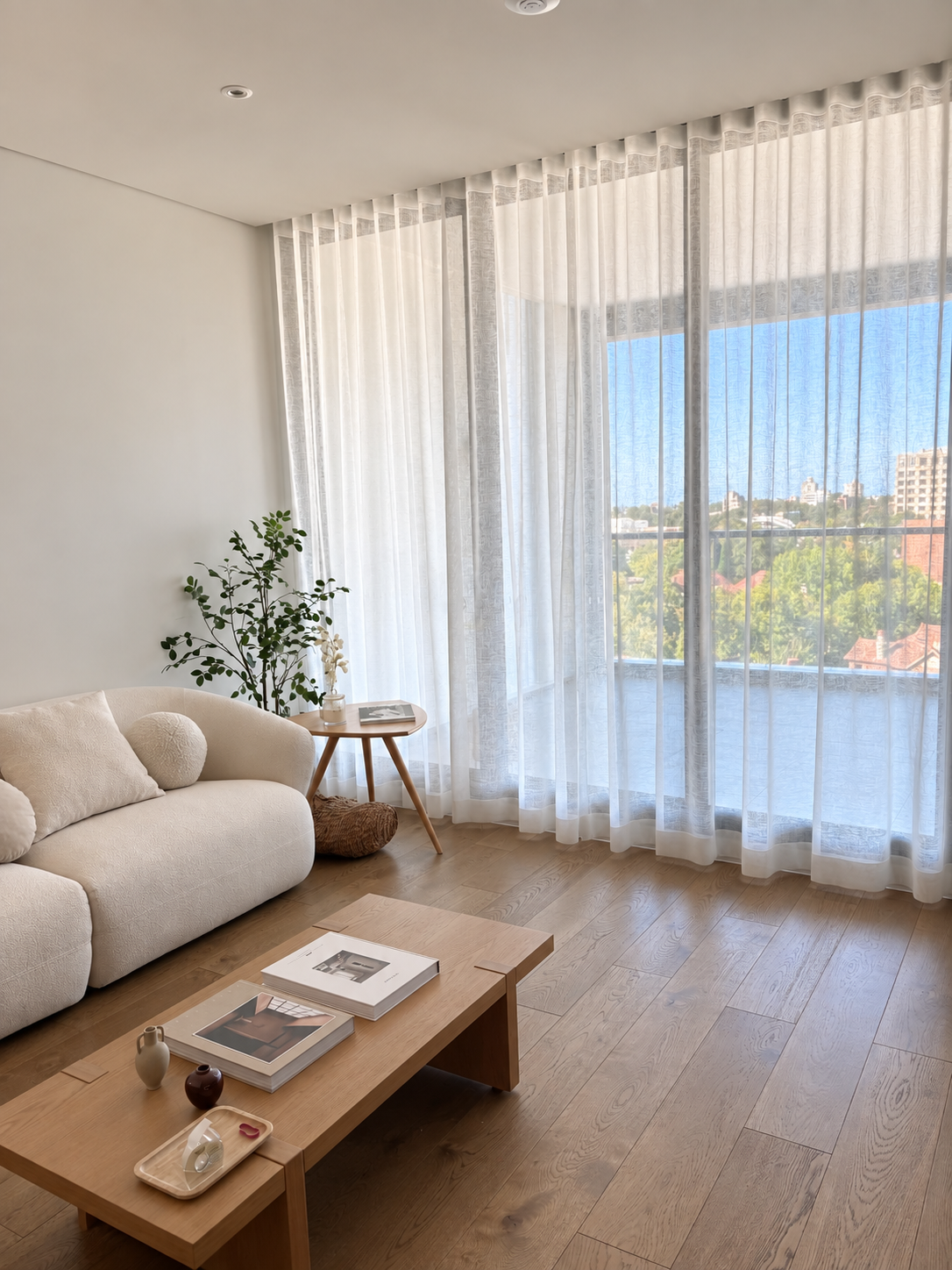
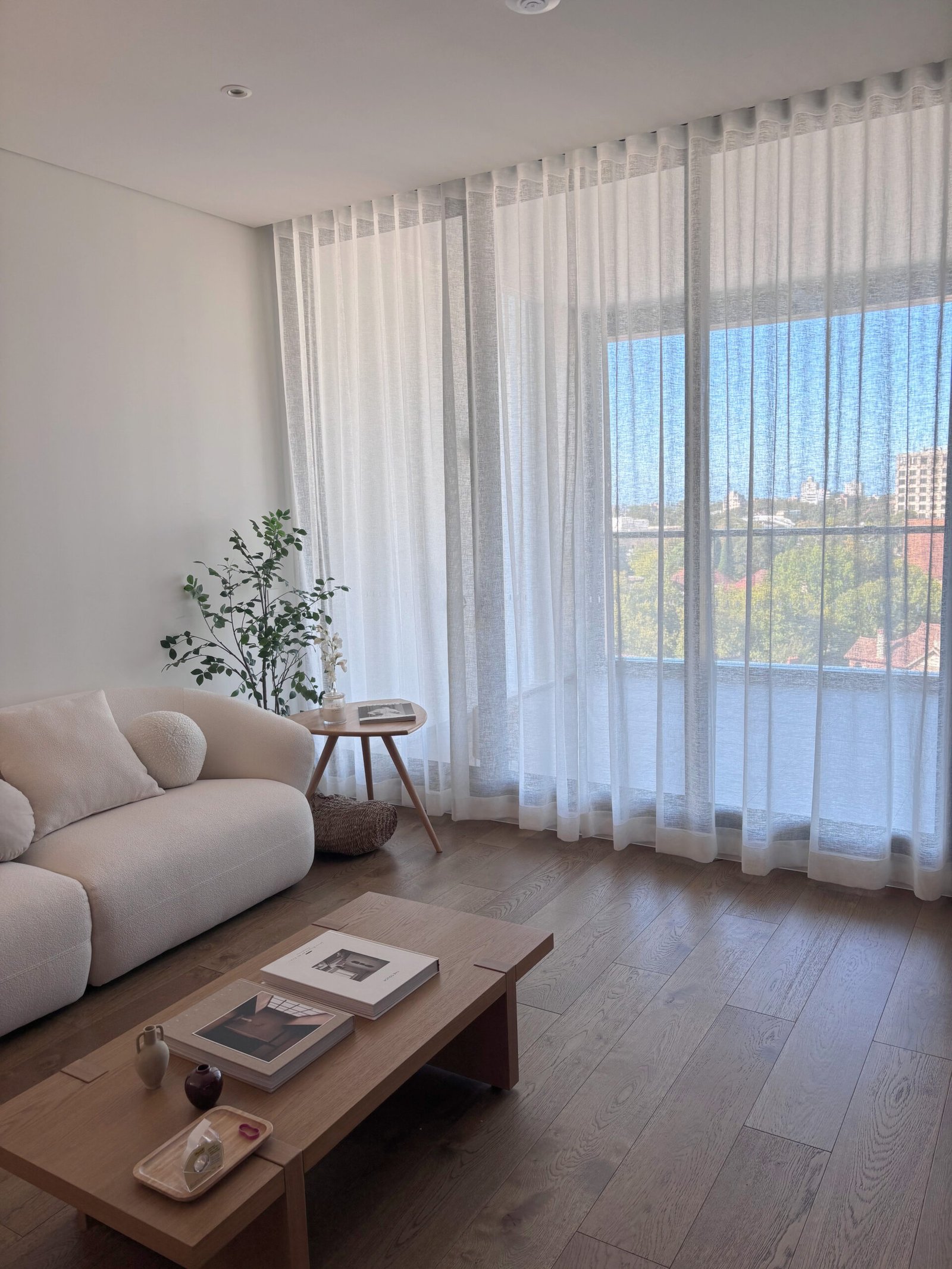
Sheer roller blinds + linen curtains (the minimalist's choice)
This combination works because it's clean, easy to operate, and the linen adds warmth without bulk. Install a light-filtering roller blind for daytime privacy and unlined linen panels for softness and optional evening privacy. The roller handles function; the linen handles aesthetics.
This setup suits modern homes, bedrooms, and living rooms where you want flexibility without visual weight. It's particularly good for Australian climates because linen is breathable and doesn't trap heat like heavier fabrics. For more on this approach, see Sheers By Day Blockouts By Night Layering Curtains.
Practical tip: hang linen panels 20-30cm beyond the window frame on each side. When you open them, they stack completely off the glass, maximising natural light instead of blocking it at the edges.
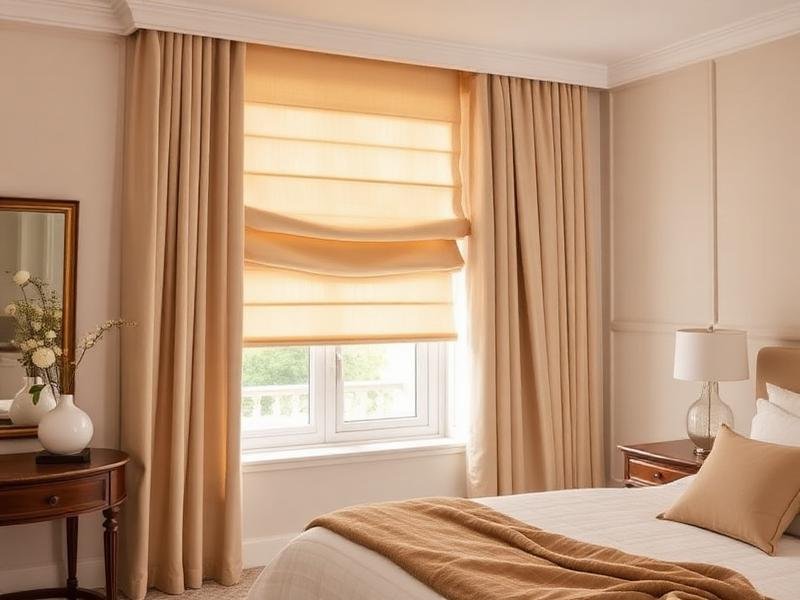
Roman blinds + side panels (traditional rooms)
Roman blinds provide clean function while stationary side panels add traditional elegance. Use lined or blockout romans for light control, and hang curtain panels in a complementary fabric purely for framing. The panels don't need to close, so you can use heavier fabric without worrying about daily operation.
This works well in dining rooms, formal living rooms, and heritage homes where you want classic sophistication. The romans give you practical control; the panels give you architectural presence.
One warning: don't use patterned fabric on both layers. If your romans have a pattern, keep the panels solid. If the panels are patterned, keep the romans neutral. Competing patterns create visual chaos even when the individual fabrics are beautiful.
Cellular shades + valance (when you need serious insulation)
For west-facing windows that cop afternoon sun, or bedrooms in hot climates where energy efficiency matters, cellular shades provide excellent insulation. Add a simple valance to hide the hardware and give a finished look without adding bulk.
Top-down/bottom-up cellular shades let you lower the top for light while keeping the bottom raised for privacy, or vice versa. The valance should be simple and proportional: 15-20cm depth maximum. Any deeper and it starts to overwhelm the window rather than frame it.
This combination is purely functional, but it doesn't look utilitarian. The valance softens the mechanical look of the cellular shade without adding the maintenance or visual weight of curtains.
The Restraint Checklist: Five Signs You've Gone Too Far
Use this as a self-audit before finalising your window treatment plan. Even one of these signs means you should simplify. It's easier to add a layer later than to remove installed treatments you've already paid for.
You can't see the window architecture anymore
Layers should enhance your window, not hide it. Step back and look: can you still see the window frame? The glass? The proportions of the opening? If your treatments have completely obscured the window's architecture, you've gone too far.
The fix is usually removing the most decorative layer or switching to slimmer profiles that reveal more of the window. You want to frame the view, not block it.
The room feels darker than it should
Open all your treatments fully. If the room still feels dim, you have too much coverage. This happens when fabrics are too heavy, when treatments don't stack completely off the glass, or when you simply have too many layers absorbing light.
Solutions include switching to lighter fabrics, reducing layers, or choosing treatments that stack more compactly when open. Natural light is valuable in Australian homes. Don't sacrifice it for treatments you don't actually need.
Three or more patterns compete for attention
Maximum two patterns across all window layers, and they should be different scales. A small geometric on your roman blind can work with a large-scale stripe on curtain panels. But floral curtains plus striped romans plus a geometric valance creates visual chaos.
The fix: choose one patterned layer maximum. Keep everything else in solid, complementary colours. Pattern should be an accent, not a theme.
Getting the Proportions Right
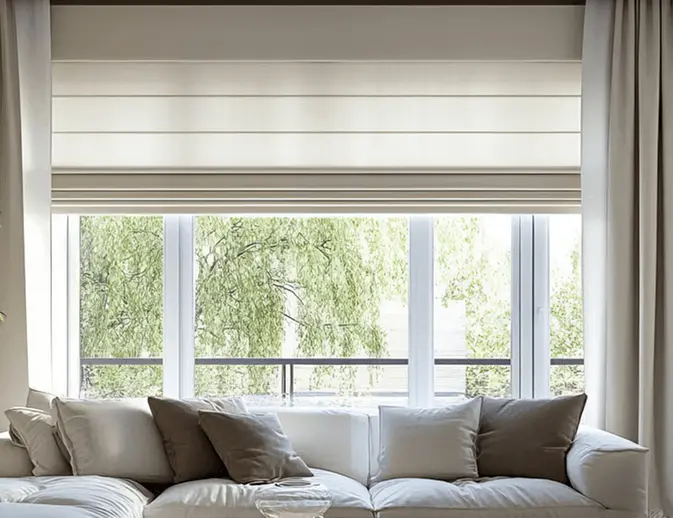
Even with the right layers, wrong proportions make everything look cluttered. These technical details separate polished installations from amateur attempts.
Hardware scale and placement
Hardware should be substantial enough to support your fabric but not dominate the window. Hang curtain rods 10-15cm above the window frame and extend them 15-20cm beyond each side. This makes windows look larger and allows curtains to stack off the glass when open.
Avoid oversized finials, multiple rods at different heights, or ornate brackets that add visual clutter. When layering, use a single rod for curtains and inside-mount your blinds to minimise hardware visibility. You want the treatments to be the focus, not the mechanics.
Fabric weight relationships
Heavier outer layers need lighter inner layers to avoid bulk. If you're using heavy lined curtains, pair them with sheer rollers or light cellular shades, not thick romans. The visual test: when all layers are closed, the window shouldn't look padded or stuffed.
In Australian climates, lean toward lighter fabrics overall. Linen over velvet. Cotton over brocade. Heavy fabrics trap heat and add visual weight that most rooms don't need. Save them for specific applications where insulation or formality genuinely matters.
When Simpler Actually Looks More Expensive
High-end design often uses fewer, better-quality layers. Visual breathing room makes each element more noticeable and appreciated. When you're not competing with multiple treatments, you can invest in one beautiful fabric or one perfectly functioning blind that becomes a feature rather than just window coverage.
The final guideline: if you're questioning whether to add another layer, the answer is usually no. Start with two well-chosen layers and live with them for a few weeks. You'll likely find they're enough. If something genuinely feels missing after that trial period, you can always add more. But most people discover that restraint was the right choice all along.
For more practical guidance on window treatments, visit our Blog for additional resources and ideas.