

Choosing Between Layered and Standalone Window Treatments for Your Home
You're standing in your living room at 3pm on a January afternoon. The sun's pouring through your west-facing windows, the air conditioner's working overtime, and you're squinting at the TV. You pull the blinds down. Now the room's dark and you've lost your view entirely.
This is the core problem: single-layer window treatments force you to choose between competing needs. Layered treatments let you manage light, privacy, and temperature independently. The question isn't which approach is objectively better. It's which one matches how you actually use each room.
The answer changes depending on window orientation, room function, and whether you need different coverage throughout the day. Some rooms genuinely need layering. Others work perfectly with a single, well-chosen treatment. Getting this right affects your comfort, your energy bills, and how often you find yourself fighting with your blinds.
Why This Decision Matters More Than You Think
Window treatments aren't decorative. They're functional barriers that determine how much heat enters or escapes through your windows, how much natural light you get, and whether your neighbours can see straight into your home at night.
Get the choice wrong and you'll adjust your blinds constantly, trying to find a compromise that doesn't exist. Or you'll leave them closed all day because opening them creates glare or privacy issues. Meanwhile, your air conditioner runs longer because your windows aren't doing enough to block heat.
The decision affects two things directly: energy costs and daily flexibility. Both matter, but they don't always point toward the same solution.
Energy costs in Australian homes
Heating and cooling account for up to 40% of household energy use in Australian homes. Your windows are where most of that energy escapes or enters. Single-pane glass does almost nothing to stop heat transfer. Even double-glazing only helps if you back it up with proper window treatments.
The right treatment acts as your first line of defence. It reduces how hard your air conditioner works during summer and how much heating you need in winter. That translates to lower bills, though the exact saving depends on your climate zone, window size, and how consistently you use the treatments.
Layered treatments typically insulate better because they create an air gap between layers. Standalone treatments can still perform well if they're designed for thermal control. The point is that your choice directly impacts how much you spend on temperature control year-round.
The visual flexibility trade-off
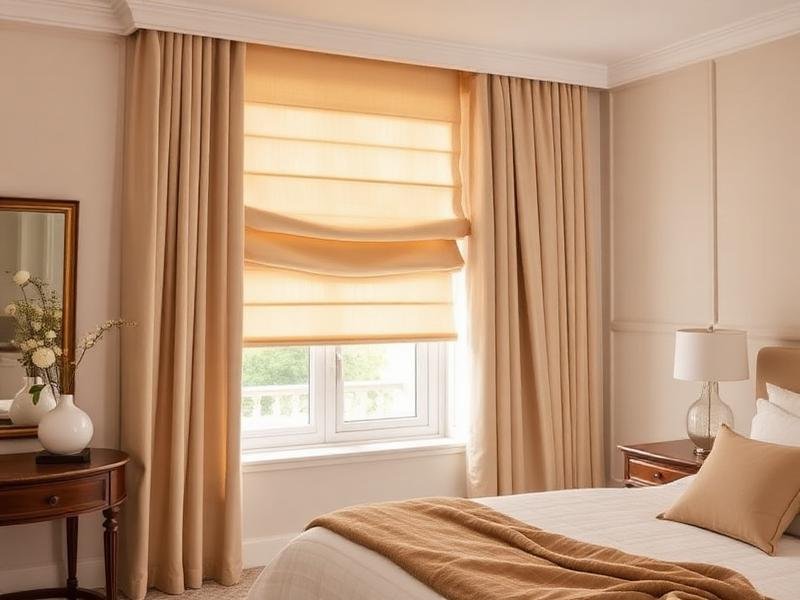
Layered treatments let you adjust light and privacy separately. You can filter harsh sunlight with a sheer layer while keeping your view, then add a blockout layer at night for complete privacy. Throughout the day, you're not forced to choose between natural light and privacy.
Standalone treatments give you one level of control. They're either open or closed. If you need privacy, you lose light. If you want light, you sacrifice privacy. For many rooms, that's perfectly adequate. Bedrooms used only for sleeping don't need variable control. But living areas where you spend all day often do.
The trade-off is simplicity versus flexibility. Standalone treatments are easier to operate, cheaper upfront, and require less maintenance. Layering costs more and adds complexity. The question is whether that flexibility solves a problem you actually have.
What Standalone Treatments Actually Deliver
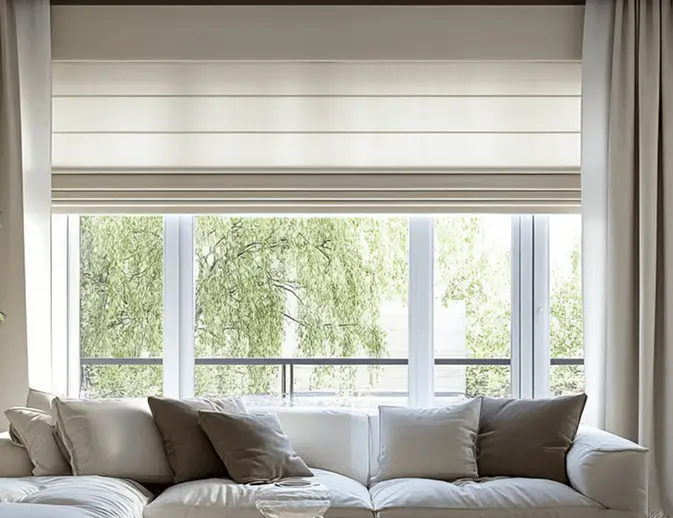
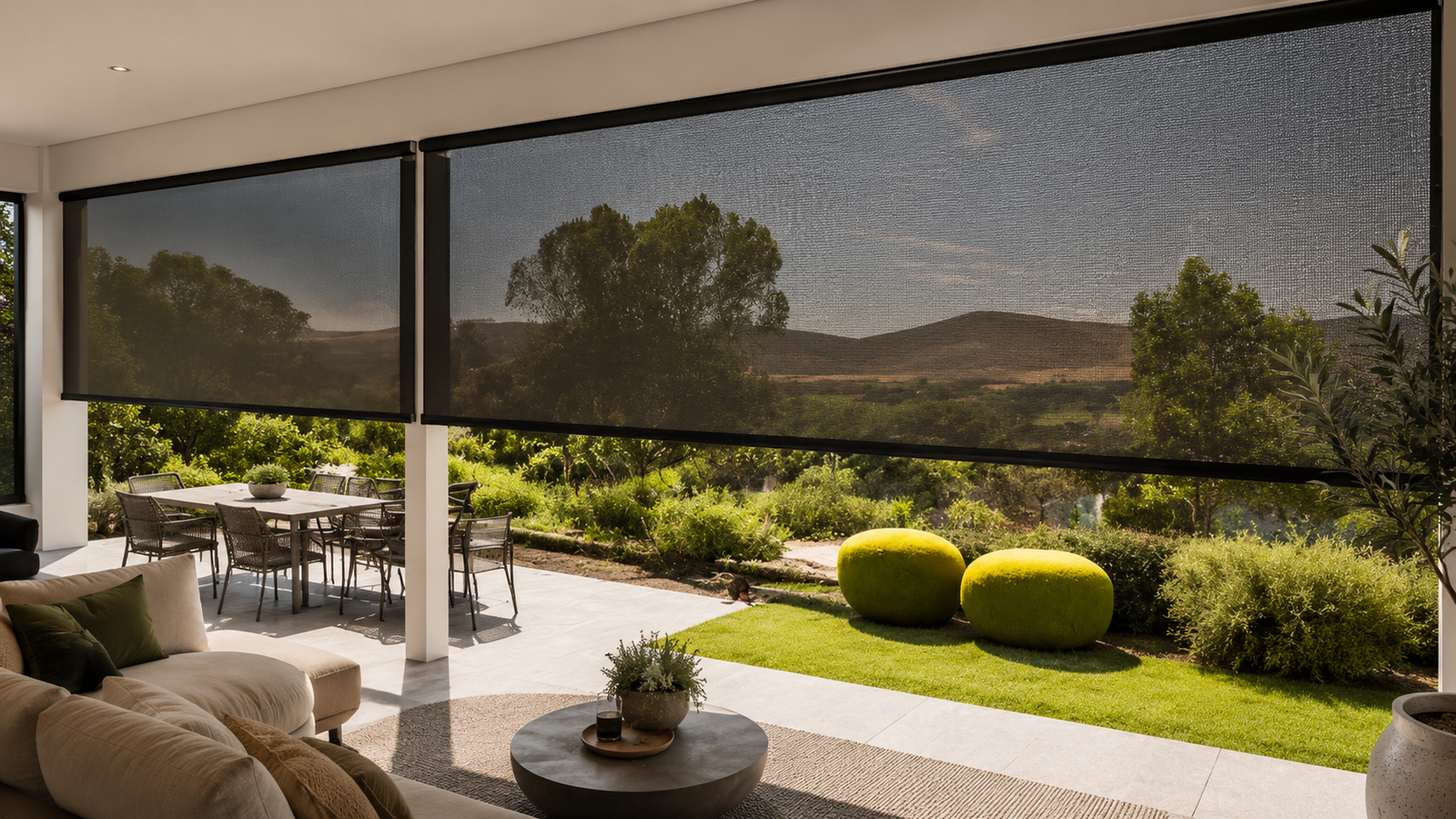
Standalone treatments work when one function dominates. If you need complete darkness and privacy in a bedroom, a quality blockout blind handles both in one layer. If you want architectural presence and adjustable light in a living room, plantation shutters do the job without needing curtains on top.
The advantage is simplicity. One mechanism to operate. One surface to clean. Lower upfront cost. And in many Australian rooms, you genuinely don't need more than that.
This isn't about cutting corners. It's about matching the solution to the actual requirement. If you're never wishing you had different coverage at different times of day, layering adds no value.
Blockout roller blinds for bedrooms
Bedrooms prioritise darkness and privacy. Most people use them primarily at night when full coverage is needed anyway. A quality blockout roller blind achieves both functions in one layer. You pull it down at night, push it up in the morning. Simple.
This works for most bedrooms because you're not trying to manage daytime light levels. You're either sleeping or you're not in the room. The exception is bedrooms that double as home offices or nurseries where you need daytime privacy with natural light. Then layering makes sense. But for a standard bedroom? Blockout blinds are usually enough.
Plantation shutters for living areas
Adjustable louvres give you variable light control without needing multiple layers. Tilt them for privacy while keeping filtered light. Open them fully for maximum brightness. Close them completely for insulation during extreme heat or cold.
Shutters work particularly well in living areas where you want architectural presence and built-in flexibility. They're a permanent fixture that eliminates the need for curtains or blinds. The upfront cost is higher, but you're not adding layers later or replacing fabric treatments every few years.
They suit rooms where you want one elegant solution that handles multiple functions. If you're comfortable with the aesthetic and the investment, they remove the layering question entirely.
When one layer is genuinely enough
South-facing rooms with gentle, consistent light rarely need layering. Spaces used only at specific times of day don't require variable control. Rooms with minimal heat issues don't need the extra insulation that layering provides.
Ask yourself: do you only ever want your blinds fully up or fully down? If yes, standalone works. If you find yourself constantly adjusting them trying to find a middle ground that doesn't exist, that's when layering solves something real.
Don't add complexity you don't need. If a single treatment handles your requirements, that's the right answer.
Where Layered Treatments Earn Their Keep
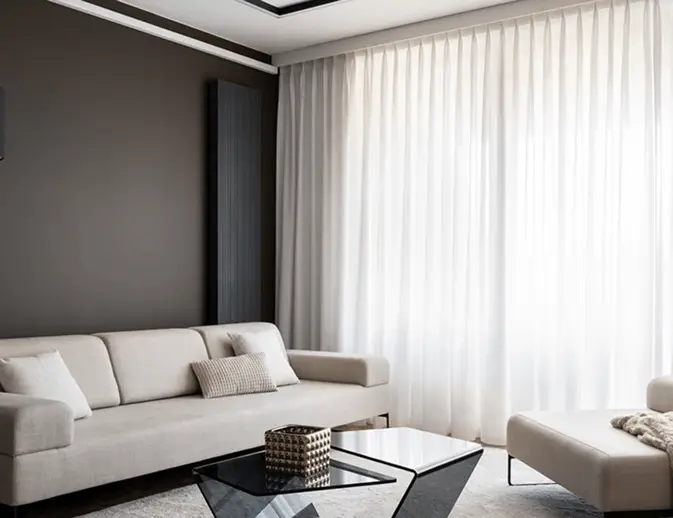
Layering makes sense when you need different functions at different times of day and standalone options force compromises. Specific window orientations and room uses make it practically necessary rather than just nice to have.
The extra cost and complexity are worthwhile when you're constantly fighting with a single-layer treatment that can't deliver what you need. But you shouldn't layer everywhere. It's targeted problem-solving for rooms where the problem actually exists. For more detailed guidance on combining different treatments, our Sheers By Day Blockouts By Night Layering Curtains article covers the practical implementation.
Sheer + blockout for north-facing windows
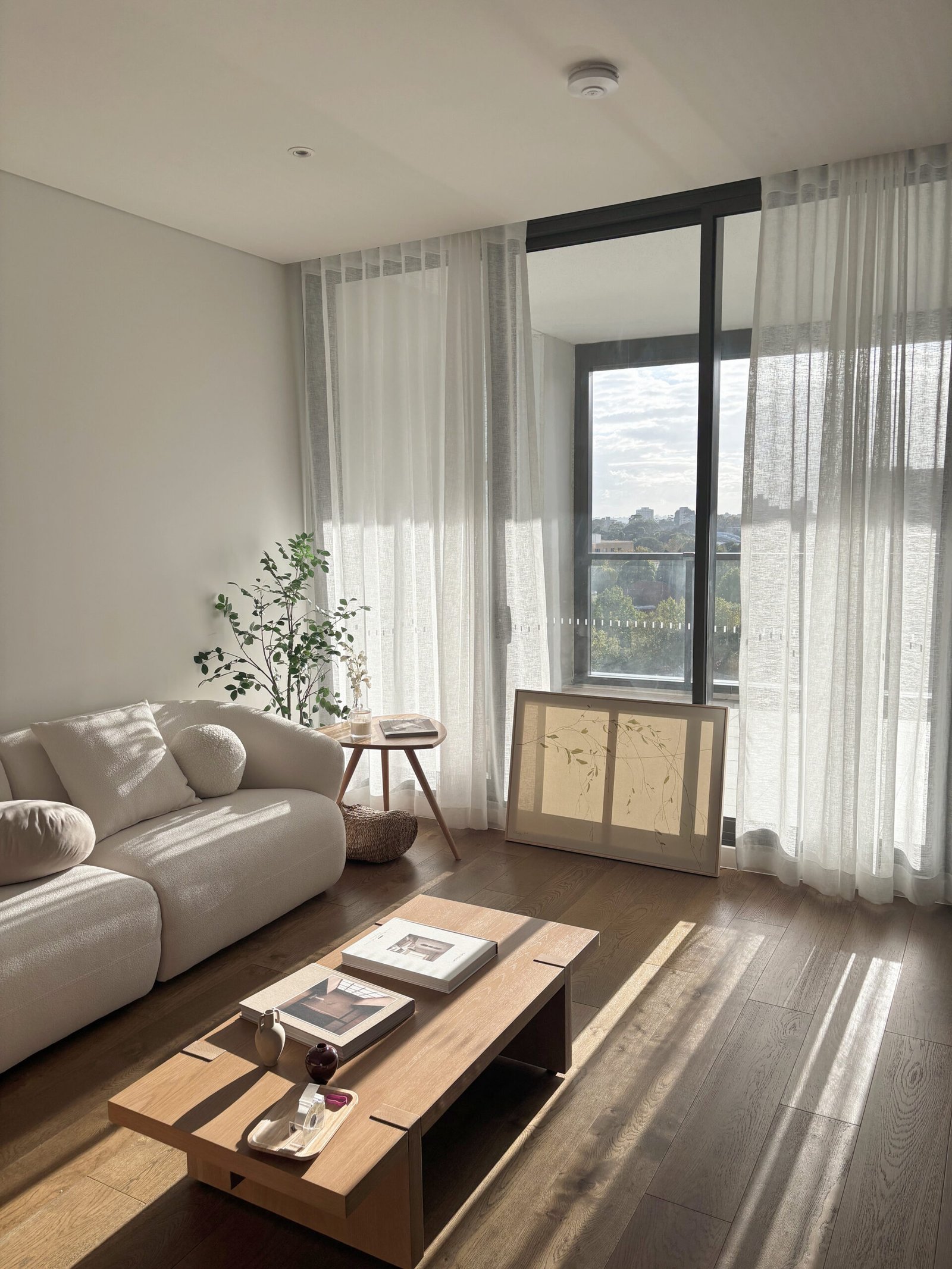
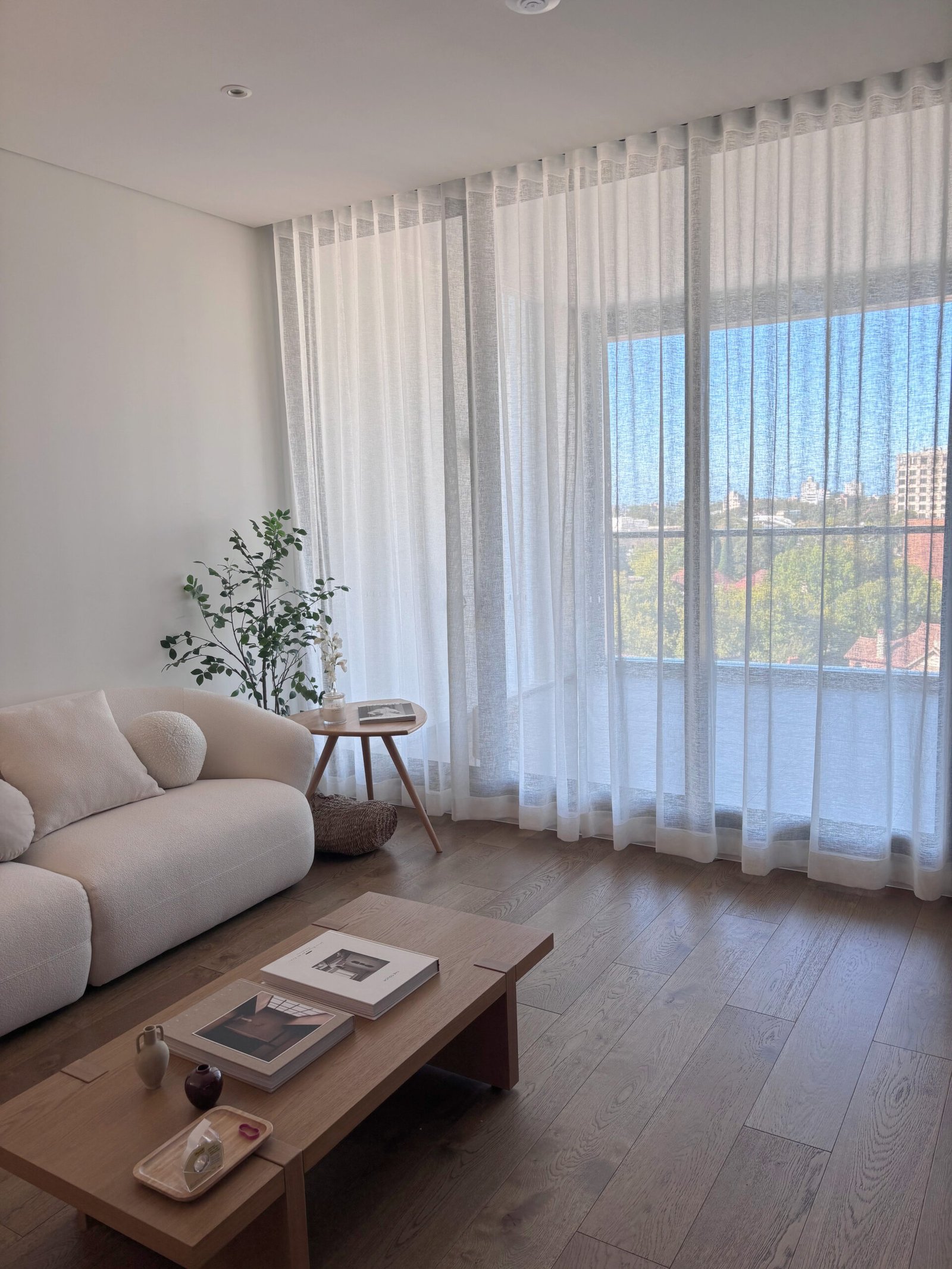
North-facing windows in Australia get consistent light without harsh afternoon heat. That makes them ideal for living areas where you want bright, filtered light all day. Sheers handle that perfectly, reducing glare while maintaining your view and natural light.
But at night, sheers don't provide privacy. Adding a blockout layer means you get filtered daylight without heavy curtains blocking your windows, then complete privacy after dark. It's particularly useful in living rooms where you're entertaining or watching TV at night and don't want street visibility.
The combination lets you optimise for both scenarios without compromise. During the day, the room feels open and bright. At night, it's private and comfortable.
Curtains over blinds for thermal control
Layering creates an insulating air gap that reduces heat transfer through windows. Research shows that draught proofing and window treatments significantly improve thermal comfort in Australian homes. The gap between blinds and curtains acts as a buffer zone.
You use blinds for daily light control and draw curtains during extreme heat or cold. This particularly benefits rooms where temperature control directly affects comfort or energy bills. West-facing bedrooms that heat up in summer. Living areas with large windows that lose warmth in winter.
The strategy is practical rather than aesthetic. You're adding a functional layer that reduces how hard your heating and cooling systems work.
The cost vs. savings calculation
Layering typically costs 1.5 to 2 times more upfront than standalone treatments. You're buying two sets of hardware, two sets of fabric or materials, and potentially paying for more complex installation.
The payback comes from better insulation. If layering reduces air conditioning use in west-facing rooms where heating and cooling represents a significant portion of your energy bill, savings accumulate over years. The exact payback period depends on your climate zone, window size, and how consistently you use the treatments.
Don't expect immediate returns. Think of it as a long-term investment in comfort and efficiency. If you're planning to stay in the home for several years and the room genuinely needs better thermal control, the math usually works out.
Your Room-by-Room Decision Map
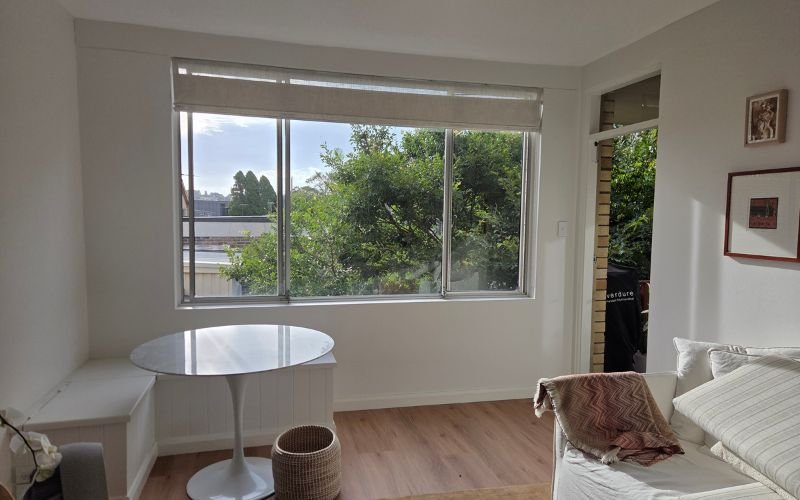
The right approach depends on what actually happens in each room throughout the day. This isn't about applying one solution everywhere. It's about matching treatment type to specific room functions and window orientations.
Use this as a practical guide, but acknowledge that personal preferences and specific home conditions matter. These are starting points, not rigid rules.
Bedrooms: sleep quality drives the choice
Bedrooms prioritise darkness and temperature control for quality sleep. Standalone blockout works for most bedrooms unless the room doubles as a daytime workspace or nursery.
Ask yourself: do you use this room during the day for anything other than sleeping? If no, blockout blinds are usually sufficient. If yes, consider layering so you can have daytime privacy with natural light for working or caring for a baby, then full darkness at night.
Living areas: balancing light and privacy
Living rooms need variable control throughout the day. Morning light for breakfast. Afternoon glare protection for TV watching. Evening privacy for family time. These competing needs often require layering.
Standalone shutters or quality blinds work when the room faces south or has minimal street exposure. But open-plan spaces where you can't simply close a door for privacy typically benefit from layering. You want the flexibility to adjust coverage without losing all natural light.
West-facing rooms: the heat problem
Intense afternoon sun heats rooms and creates glare. This is where layering earns its keep most clearly. A sheer layer reduces heat and glare during the afternoon without blocking all light. Blockout or curtains provide maximum protection during peak heat.
The strategy directly reduces air conditioning load. Given that heating and cooling account for up to 40% of household energy use, managing west-facing windows properly has measurable impact on your bills.
If you have west-facing windows in living areas or bedrooms, strongly consider layering. The problem is consistent and significant enough that the extra investment typically pays off.
The Real Answer Depends on Your Windows
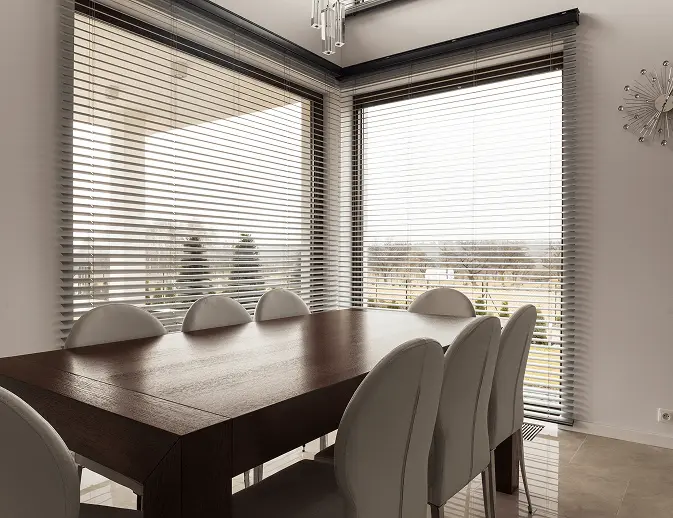
The right choice comes down to three factors: window orientation, room function, and your daily routine. Standalone works perfectly when needs are simple and consistent. Layering is worthwhile when you face competing needs throughout the day or extreme sun exposure.
Don't apply one solution everywhere. Assess each room individually using the criteria covered here. Bedrooms might need only blockout blinds. Living areas might benefit from layering. West-facing rooms almost always do better with multiple layers. For additional perspective on choosing treatments that match your home's style, check out our Modern Vs Classic Roman Blinds Which One Suits Your Home guide.
Start with the rooms that cause the most frustration. If you're constantly adjusting blinds or running the air conditioner because your windows aren't doing enough, that's where to focus first. The solution might be simpler than you think, or it might require layering. But at least you'll know why.