

Comparing Window Covering Styles: What Works Best for Australian Living
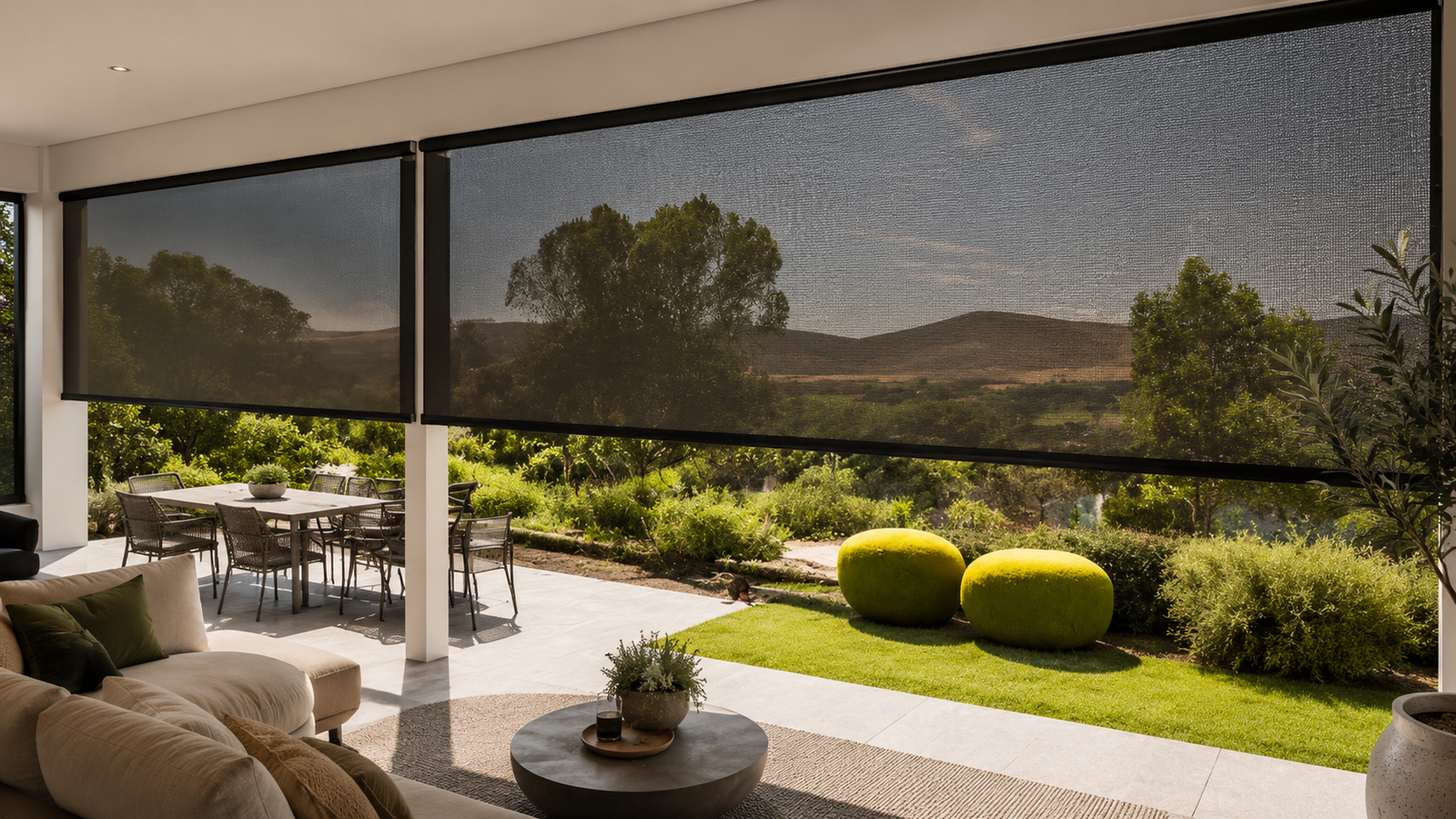
You've probably seen those stunning Pinterest boards showcasing floor-to-ceiling glass walls or charming heritage sash windows. They look incredible. But here's what those images don't show: the homeowner sweating through a 38-degree afternoon because those beautiful windows turned their living room into a greenhouse. Or the family who replaced their Queenslander's louvres with fixed glass and lost the natural airflow that made the house liveable before air conditioning.
Choosing windows based on aesthetics alone is one of the most common renovation mistakes Australian homeowners make. The right window style isn't about following trends. It's about solving specific problems: managing heat, controlling airflow, or creating that indoor-outdoor connection we value. Your home's era, your climate zone, and how you actually use your spaces should drive these decisions, not what looks good on Instagram.
This guide will help you match window types to Australian conditions. We'll look at what different home eras tell you about climate challenges, how climate zones change your priorities, and which window styles consistently perform well across our varied conditions. If you're planning a renovation or build, understanding these fundamentals will save you from expensive regrets.
Why the 'Right' Window Style Isn't About Trends
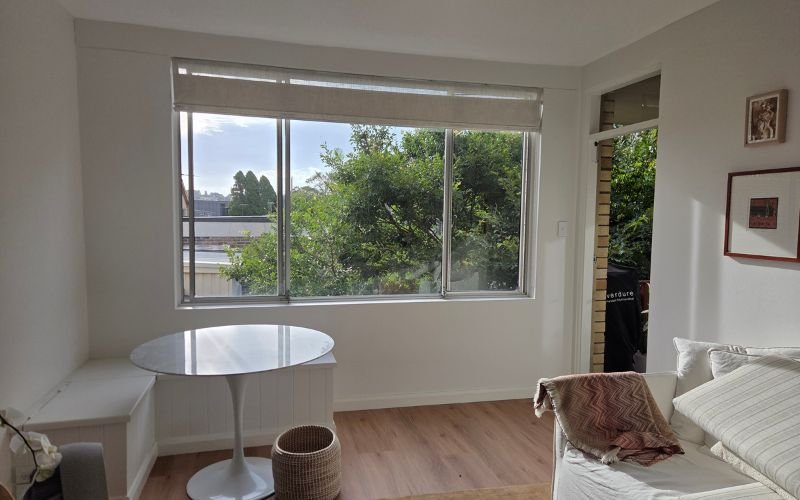
Picture this: you've just installed sleek black-framed fixed windows across your west-facing wall because they looked perfect in a design magazine. Three months later, you're closing blinds by 2pm every afternoon and running the air conditioner on overdrive. The windows are beautiful. They're also making your home unliveable.
Australian conditions demand functional window choices first. UV intensity here is brutal. Temperature swings between day and night can hit 20 degrees in some regions. Coastal humidity creates different challenges than inland dust. These aren't minor considerations you can ignore in favour of aesthetics.
The best window style solves a specific problem. In Brisbane's humidity, you need windows that maximise airflow while staying open during summer storms. In Melbourne's temperate climate, you need thermal performance that handles both winter cold and summer heat. In inland areas, you need windows that seal tightly against dust and insulate against extreme temperature swings.
This doesn't mean your windows can't look good. It means climate-appropriate choices come first, then you refine for style. When you get the function right, the form usually follows naturally. For more insights on balancing aesthetics with practical performance, check out our Blog.
What Your Home's Era Actually Tells You About Window Needs

Photo by Mitchell Luo on Pexels
Australian architects didn't choose window styles randomly. They designed windows to solve climate problems specific to each era's building methods and available materials. Understanding your home's original window approach reveals what climate challenges it was built to handle.
You don't have to match the original style exactly. But the logic behind those choices still applies. A Federation home used tall sash windows for a reason. A 1960s brick veneer used sliding aluminium frames for specific purposes. Ignoring that logic often creates problems.
Federation and Queenslander Homes (1890-1920)
The Federation style was prominent from c.1890 to c.1915 in Australia, and these homes used tall double-hung sash windows and casement windows for a critical reason: cross-ventilation in the pre-aircon era. Those high ceilings and tall windows weren't just decorative. They created airflow that made homes liveable through Australian summers.
Queenslander homes took this further. Built between 1840 and 1939, they were raised for airflow and flood protection. Louvres and awning windows maximised breeze capture from every direction. The entire design was a climate control system.
When you replace these windows with fixed glass, you kill the home's natural cooling system. The house wasn't designed to rely on mechanical cooling. It was designed to breathe. Respect that, or you'll be fighting the building's fundamental design every summer.
Post-War and Mid-Century (1945-1970s)
Post-war homes (1945–1960) were predominantly mass-produced with double or triple brick veneer due to housing demand after WWII. These homes used larger glass areas and sliding windows to connect indoor-outdoor spaces as Australian lifestyle shifted to backyard living.
Aluminium-framed windows became standard. They were affordable and low maintenance, but thermal performance wasn't the priority. Many of these windows now leak air, rattle in wind, and contribute to heating and cooling costs.
If you own one of these homes, you'll likely need to upgrade windows for energy efficiency. The challenge is doing it without losing the indoor-outdoor flow that defines the era. Modern sliding windows with double glazing and proper seals can maintain the aesthetic while dramatically improving performance.
Contemporary Builds (2000s-Present)
Modern Australian homes often use floor-to-ceiling glass and stacking sliders to maximise views and outdoor connection. When done right, with double glazing, low-E coatings, and strategic shading, these homes perform well. When done wrong, they're expensive to cool and uncomfortable to live in.
The challenge is simple: large glass areas look stunning but can turn rooms into ovens without proper orientation and shading. North-facing glass in temperate zones can be excellent for passive solar heating in winter, provided you have eaves or external blinds to block summer sun. West-facing glass is almost always a problem unless heavily shaded.
Don't assume all contemporary homes get this right. Many prioritise aesthetics over thermal comfort, leaving owners to retrofit shading and window treatments after moving in.
How Australian Climate Zones Change the Calculation
A window style perfect for Brisbane can be completely wrong for Melbourne. Australian climate zones demand different window priorities: airflow versus insulation versus sun control. What works in one region creates problems in another.
The following sections show what works in each major climate zone. Pay attention to your specific conditions, not generic advice.
Tropical and Subtropical (Queensland, Northern NSW)
Humidity and heat are year-round challenges here. Airflow is the top priority, not insulation. You need windows that can stay open during rain while catching every available breeze.
Awning windows, louvres, and casements work best. They open outward, creating rain-protected vents that keep air moving even during storms. Large fixed glass areas trap heat and humidity unless paired with excellent shading and cross-ventilation.
Double glazing is less critical here than in temperate zones. Airflow matters more than insulation. Spend your budget on quality frames, good seals, and strategic window placement for cross-breeze, not on thermal glass that solves a problem you don't have.
Temperate Zones (Sydney, Melbourne, Adelaide)
These zones need windows that handle both summer heat and winter cold. That's a harder problem to solve than single-season climates.
Double-hung sash or casement windows with double glazing offer the best thermal performance. North-facing windows should maximise winter sun while east and west need shading or smaller openings to prevent heat gain.
Sliding windows work well for indoor-outdoor areas, but they need good seals to prevent winter drafts. Cheap sliders are a false economy here. They'll leak air and cost you in heating bills. If you're considering window treatments to complement your window choices, our guide on Modern Vs Classic Roman Blinds Which One Suits Your Home explores options that work with different architectural styles.
Dry and Arid Regions (Inland Australia)
Extreme temperature swings define these regions. Hot days, cold nights. Windows need to insulate and seal tightly against both heat and cold.
Smaller window areas on east and west walls reduce heat gain. Double glazing is essential, not optional. Awning windows work well for controlled ventilation during cooler parts of the day, but they need to seal properly when closed.
Dust infiltration is a real issue that coastal homeowners never consider. Window seals and quality frames matter more here than in other regions. Cheap windows will let in dust, compromise your insulation, and require constant cleaning.
The Three Window Styles That Actually Work Here
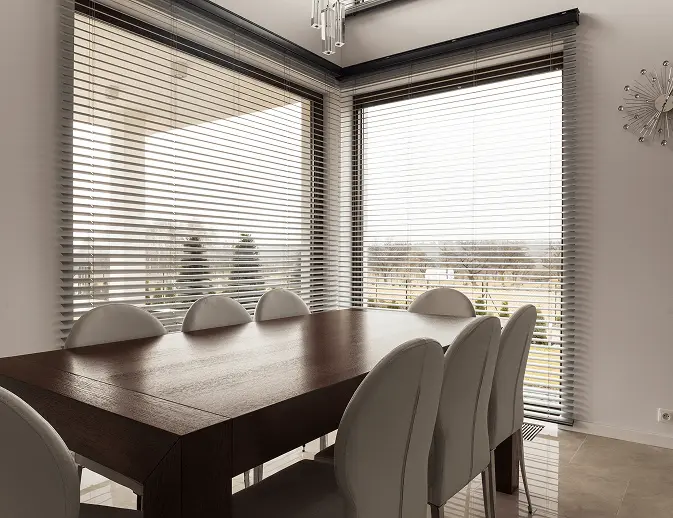
Dozens of window styles exist. Most are variations on a few core types. These three consistently perform well across Australian conditions because they solve our fundamental challenges: airflow, thermal control, and indoor-outdoor living.
Double-Hung Sash Windows (The Federation Workhorse)
Double-hung windows allow top and bottom ventilation, creating natural airflow even in still conditions. Hot air escapes through the top sash while cooler air enters through the bottom. This passive ventilation is why they dominated Australian architecture for decades.
They suit heritage homes and temperate climates where thermal performance and ventilation both matter. Modern versions with double glazing and weatherseals perform far better than originals while keeping the traditional look.
The downside: they're more expensive than sliding windows and require occasional maintenance. Sash cords can break, and the sliding mechanism needs adjustment over time. But when properly maintained, they're one of the most versatile window types for Australian conditions.
Awning and Louvre Windows (The Airflow Specialists)
Awning windows open outward from the bottom, creating a rain-protected vent that's perfect for humid climates. You can leave them open during summer storms without water entering the house.
Louvres offer maximum airflow control and suit Queenslanders, bathrooms, and laundries. They're ideal for spaces where ventilation matters more than views or thermal insulation.
These styles prioritise ventilation over everything else. They're perfect for tropical and subtropical zones but less suited to cold climates where sealing matters more than airflow. Choose them where humidity and heat are your primary challenges.
Sliding and Stacking Glass (The Indoor-Outdoor Bridge)
Sliding and stacking glass doors create seamless indoor-outdoor connection, central to Australian lifestyle. They work best on north-facing walls in temperate zones or shaded areas in tropical zones.
Quality matters enormously here. Cheap sliders leak air and water. Good ones with double glazing, proper seals, and quality hardware perform well and last decades. The price difference is significant, but so is the performance gap.
They need proper shading to prevent turning living areas into greenhouses. Eaves, pergolas, or external blinds are essential. For layered shading solutions that work with large glass areas, see our article on Sheers By Day Blockouts By Night Layering Curtains.
Matching Window Style to How You Actually Live
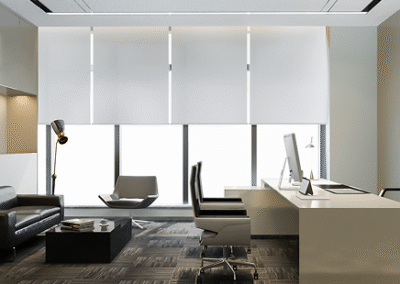
The right window style serves your climate, home era, and lifestyle. Not someone else's Pinterest board.
Consider your priorities. Do you value airflow over views? Thermal efficiency over heritage character? Indoor-outdoor connection over privacy? These trade-offs are real, and you need to make them consciously.
Audit your current windows. Which rooms overheat? Which lack airflow? Which feel disconnected from outdoor spaces? These problems tell you what your windows need to solve.
Window choice is an investment in daily comfort, not just kerb appeal. Get it right, and you'll notice the difference every day. Get it wrong, and you'll spend years fighting your home's fundamental design. The best choice depends on your specific situation, not generic advice or current trends.