

Fabric vs. Slatted Window Treatments: Which Suits You?
You're standing in a showroom, staring at dozens of samples, and the question hits you: fabric or slats? The salesperson is talking about light control and energy efficiency, but you're just trying to figure out which one won't make your west-facing bedroom unbearable by 3pm. This isn't about matching your cushions. It's about whether you'll actually be comfortable in your own home.
This guide cuts through the showroom noise and focuses on what actually matters: how these treatments handle Australian heat, which rooms need what type of control, and what you're signing up for in terms of maintenance. We're looking at room-by-room recommendations based on real conditions, not generic advice that ignores our climate.
Fair warning: neither option is perfect. Both have trade-offs. The goal here is to match the right treatment to your specific priorities, not to convince you there's one universal answer. For more practical guidance on window treatments, check out our Blog.
The Real Difference: It's Not Just About Looks
Most people walk into this decision thinking it's about style. Which one looks better with the furniture? That's backwards. The treatment that looks perfect might turn your living room into a greenhouse by midday.
Three functional differences matter more than aesthetics: how precisely you can control light, what level of privacy you actually get, and how effectively the treatment manages heat. These aren't minor considerations. They determine whether you'll use the room comfortably or avoid it during certain times of day.
What if the treatment that looks perfect actually makes your room uncomfortably hot? That's not a hypothetical. It happens constantly with west-facing windows in Australian homes. We'll get to specific products later, but first you need to understand how fabric and slats handle these core functions differently.
How fabric and slatted treatments control light differently
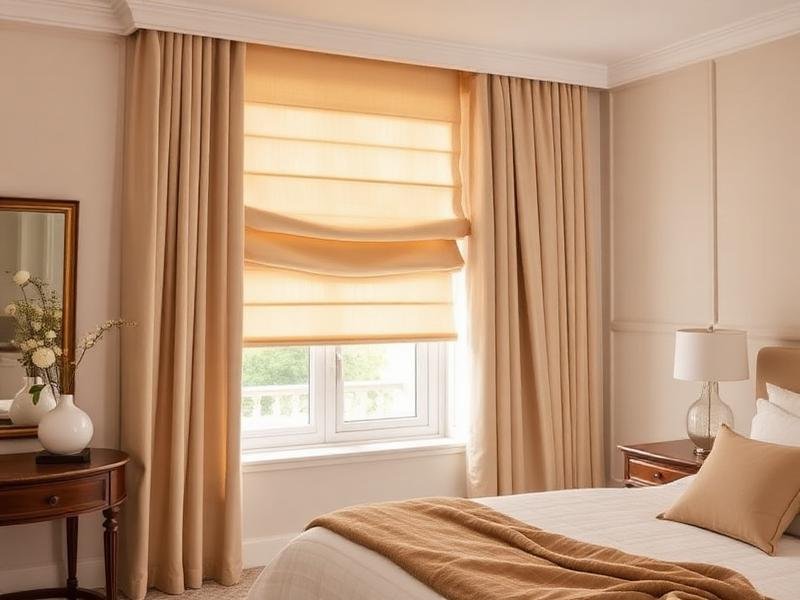
Fabric treatments like roller shades and Roman shades give you gradual filtering or complete blackout, depending on the material you choose. Solar shades come in various transparency levels (1%, 3%, 5%, 10%) that let you balance view preservation with glare reduction. But once you've chosen your fabric, that's your range. You're either up or down.
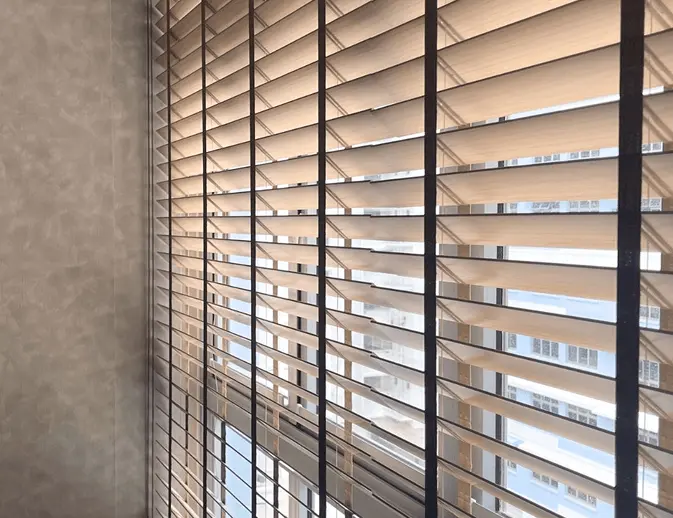
Slats work differently. Blinds let you tilt the angle to dial in exactly how much light enters and from which direction. You can block direct sun while still allowing diffused light to bounce off the ceiling. It's more flexible moment-to-moment, but you can't achieve the same complete darkness that blackout fabric delivers.
Neither approach is universally better. Fabric gives you 'all or nothing' control. Slats give you 'dial it in' flexibility. Which matters more depends on how you use the room.
What each type does for privacy (and when it matters)
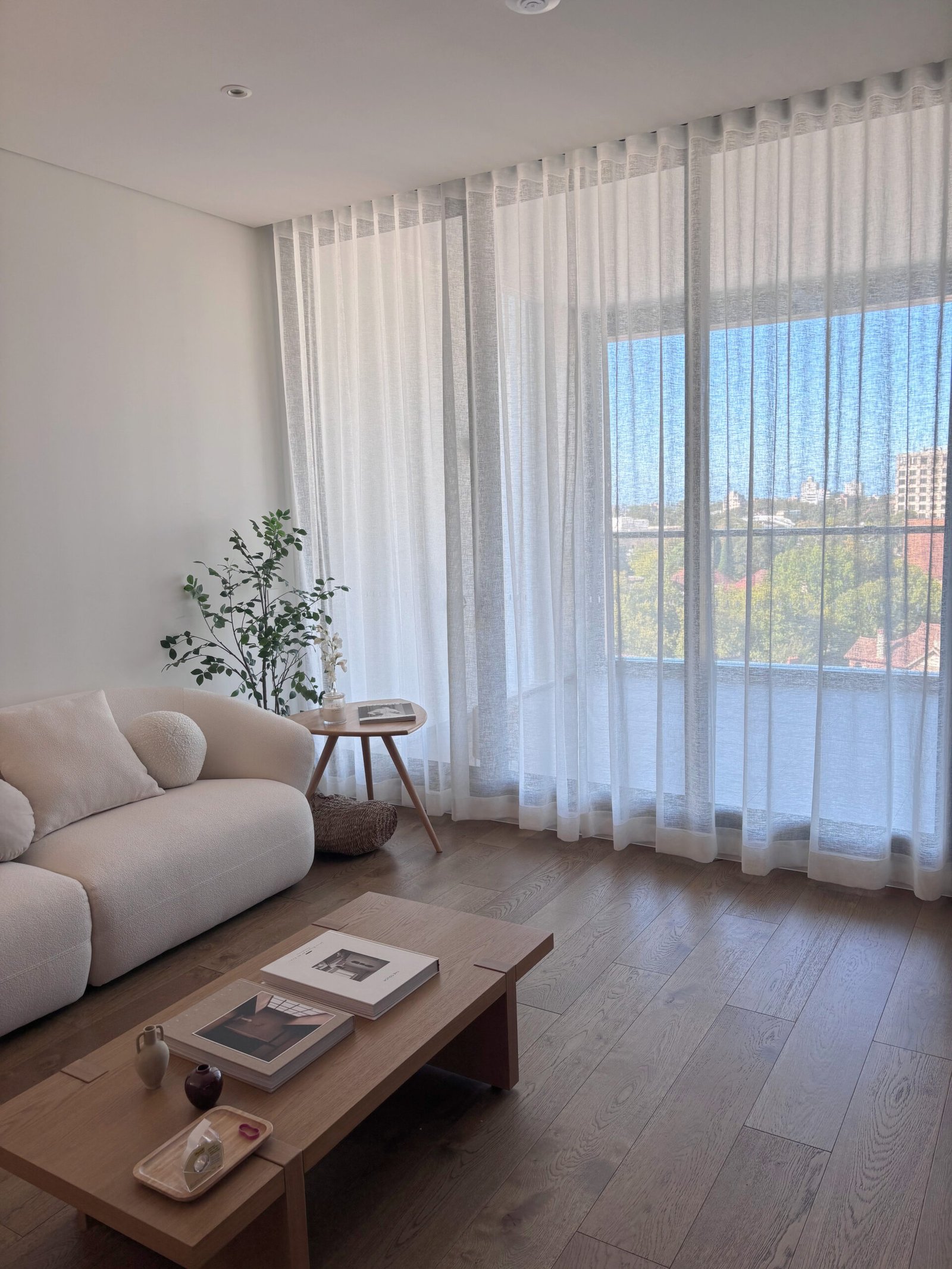
Closed fabric treatments provide complete privacy. No one sees in. Tilted slats can block direct sightlines while allowing light through, but here's the catch: when your lights are on at night, even carefully angled slats can reveal silhouettes and movement inside.
Think about your specific windows. Street-facing bedroom? You probably want fabric that closes completely. Backyard living room where neighbours are 20 metres away? Adjustable slats might give you enough privacy while keeping the view.
Privacy isn't just about blocking views. It affects how you actually use the room. If you're constantly aware that people might see in, you'll adjust your behaviour, close the treatments more often, or avoid the space during certain hours. That's worth considering before you commit.
The insulation gap: which keeps your home cooler in Australian heat
Cellular (honeycomb) fabric shades trap air in pockets, creating a barrier that reduces heat transfer more effectively than slats. The honeycomb structure works like insulation in your walls. Cellular shades reduce heat transfer through their honeycomb design, which matters significantly during Australian summers.
Slatted treatments create air gaps that allow heat to pass through more easily. They still provide some reduction compared to bare windows, just less than cellular fabric options. If energy efficiency is your priority, particularly on west-facing windows, that gap matters.
Both types help. One just helps more. Don't ignore that slats still block direct sun and reduce heat gain. They're just not as effective as cellular shades when you're trying to keep a room genuinely cool.
Room-by-Room: Where Each Type Actually Works Best
Understanding the differences only matters when you apply them to your actual rooms. The 'best' choice changes based on what you do in the space, which direction the window faces, and how much direct sun it gets.
These aren't rigid rules. They're starting points based on common priorities in Australian homes. You might have specific needs that override these recommendations. That's fine. The goal is to give you a framework, not a prescription.
Living rooms and open-plan spaces: managing glare without blocking views
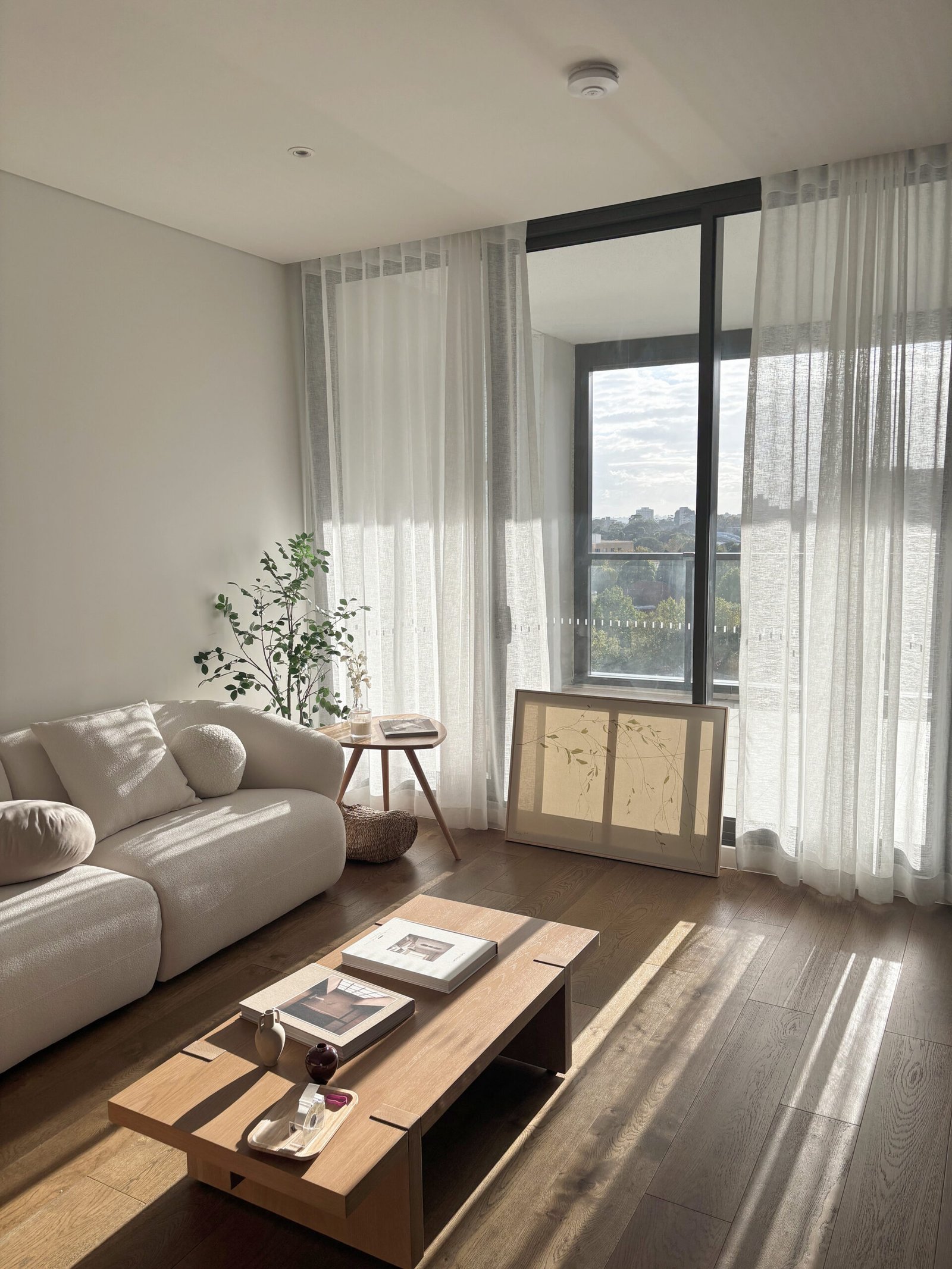
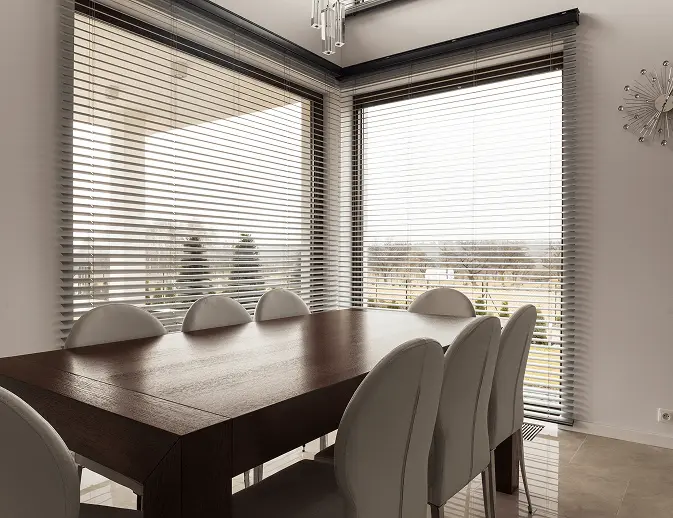
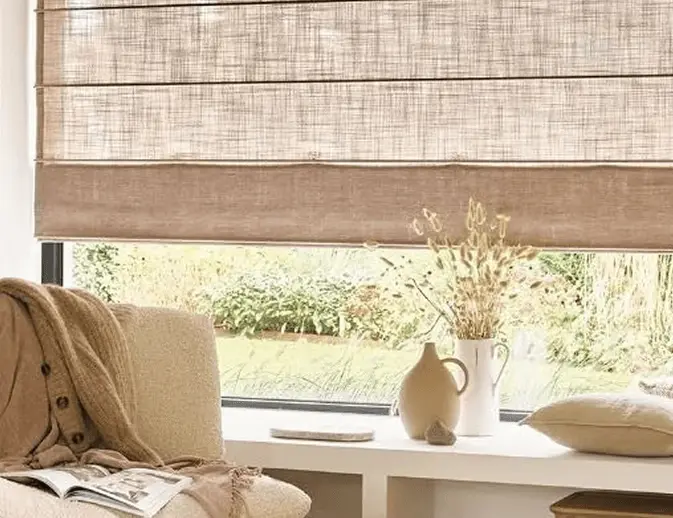
Living areas benefit from flexible light control throughout the day without full blackout. You want to reduce glare on screens and furniture without losing your view or making the space feel closed off. Solar shades or adjustable slats both work here, depending on your priorities.
Solar shades let you see out while reducing heat and glare. Slats give you more precise control as the sun moves. Consider how the treatment looks when raised, because in living spaces, it's often up. Bulky fabric stacks can dominate the window frame. Slats disappear more cleanly.
Don't choose blackout options unless the room doubles as a media room. You'll rarely use that level of darkness in a living space, and you'll sacrifice the flexibility you actually need daily.
Bedrooms: the blackout question and morning sun control
Blackout fabric shades are the most effective option for complete darkness and sleep quality. If you need pitch black to sleep well, slats won't deliver. Even when fully closed, light leaks through the gaps between slats and around the edges.
That said, slats can be adjusted for gradual morning light, which some people prefer over waking in total darkness. Do you need complete blackout, or just dimmed light? Your sleep preferences matter more than general recommendations.
If you're considering layering options for flexibility, our guide on Sheers By Day Blockouts By Night Layering Curtains explores how to combine different treatments for maximum control.
Bathrooms and moisture-prone areas: what survives humidity
Vinyl or aluminium slats resist moisture and prevent mould better than fabric. Fabric treatments can absorb moisture and develop mildew in poorly ventilated bathrooms. Composite or vinyl shutters also work well in these conditions.
That doesn't mean fabric is completely ruled out. Well-ventilated bathrooms with exhaust fans can handle certain synthetic fabrics. But if your bathroom tends to stay humid or you're not religious about running the fan, slats are the safer choice.
Moisture damage isn't always visible immediately. By the time you notice mildew or warping, you're replacing the entire treatment. Choose materials that can handle the actual conditions in your bathroom, not ideal conditions.
West-facing windows: the afternoon heat test
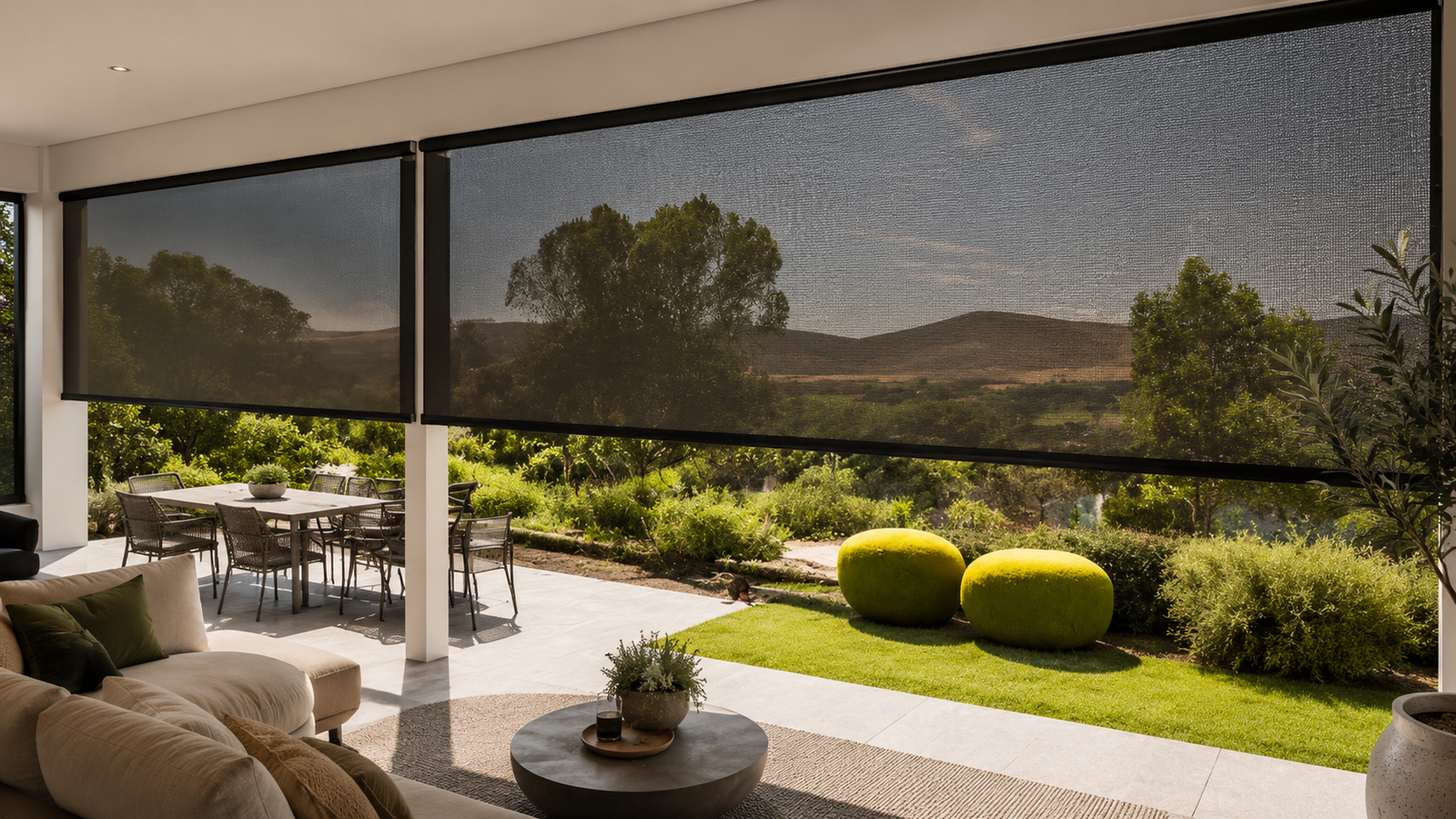
West-facing windows are the biggest heat challenge in Australian homes. Intense afternoon sun heats rooms rapidly, and indoor treatments can only do so much. Cellular shades offer maximum heat blocking among internal options, but external solutions like awnings or screens work better if you can install them.
Slats alone won't stop heat as effectively. They're better than nothing, but if you're trying to keep a west-facing bedroom or living room comfortable in summer, cellular shades make a measurable difference. The honeycomb structure creates a genuine thermal barrier.
Be realistic: no indoor treatment completely solves west-facing heat. You're managing it, not eliminating it. Cellular shades reduce the problem significantly. Slats reduce it somewhat. Choose based on how much heat control you actually need.
The Maintenance Reality Check
Installation day isn't the end of the decision. You're living with these treatments for years. Maintenance requirements differ significantly between fabric and slats, and ongoing care affects both appearance and longevity.
Neither option is truly low maintenance. Both require regular attention if you want them to look decent and function properly. The question is which type of maintenance fits your habits better.
What cleaning actually looks like for fabric vs. slats
Fabric cleaning involves vacuuming with an upholstery attachment every few weeks or occasional professional cleaning for stains. Fabric hides dust longer than slats, but when it needs deep cleaning, you're either paying someone or replacing it. Most stains on fabric are permanent.
Slat cleaning means dusting individual slats or wiping with a damp cloth. It's more frequent but quicker. Slats accumulate visible dust faster, especially in coastal areas or near busy roads. You'll notice when they need attention.
Be honest about your cleaning habits. If you're not going to dust slats regularly, they'll look grimy within months. If you won't vacuum fabric treatments, they'll collect allergens and lose their appearance. Neither is forgiving of neglect.
Durability in coastal vs. inland Australian climates
Coastal salt air corrodes metal slats faster. If you're near the ocean, composite or vinyl slats last longer than aluminium. Fabric treatments resist salt corrosion but fade faster in intense UV exposure, which is more of an issue in inland areas with harsh sun.
Your climate zone matters. Coastal homes need corrosion-resistant materials. Inland homes need UV-resistant fabrics or slats that won't warp in extreme heat. No material is completely immune to Australian climate challenges. You're choosing which type of degradation you'd rather manage.
Cost over time: repairs, replacements, and what breaks first
Slat mechanisms (cords, tilt rods, lift systems) are common failure points. Individual slats can often be replaced if one breaks, but when the mechanism fails, you're looking at significant repair costs or full replacement. Fabric rarely tears, but stains are permanent and usually mean replacing the entire shade.
Quality matters more than type. Cheap versions of either will fail faster. A $50 roller shade will sag and jam within two years. A $40 set of aluminium slats will bend and stick. If you're budgeting for window treatments, factor in that you'll replace cheap options sooner than you expect.
Making Your Choice: Match the Treatment to Your Priorities
Rank your priorities: energy efficiency, precise light control, low maintenance, or moisture resistance. If energy efficiency tops your list, lean toward cellular fabric shades. If you need precise light control throughout the day, slats give you more flexibility. If moisture is a concern, slats or shutters handle humidity better.
Here's a simple framework: if you need complete darkness, choose blackout fabric. If you need maximum insulation, choose cellular shades. If you need moisture resistance, choose vinyl or composite slats. If you want flexible daily adjustment, choose blinds.
Mixing types across different rooms is perfectly fine and often ideal. Your bedroom needs different control than your living room. Your bathroom has different requirements than your study. Don't feel locked into one solution for the entire house.
The 'right' choice depends entirely on your specific situation and priorities. No one else lives in your home or uses your rooms the way you do. Choose based on what actually matters to you, not what looks good in a showroom.