

Soft vs. Structured Window Coverings: Choosing What Actually Works for Your Australian Lifestyle
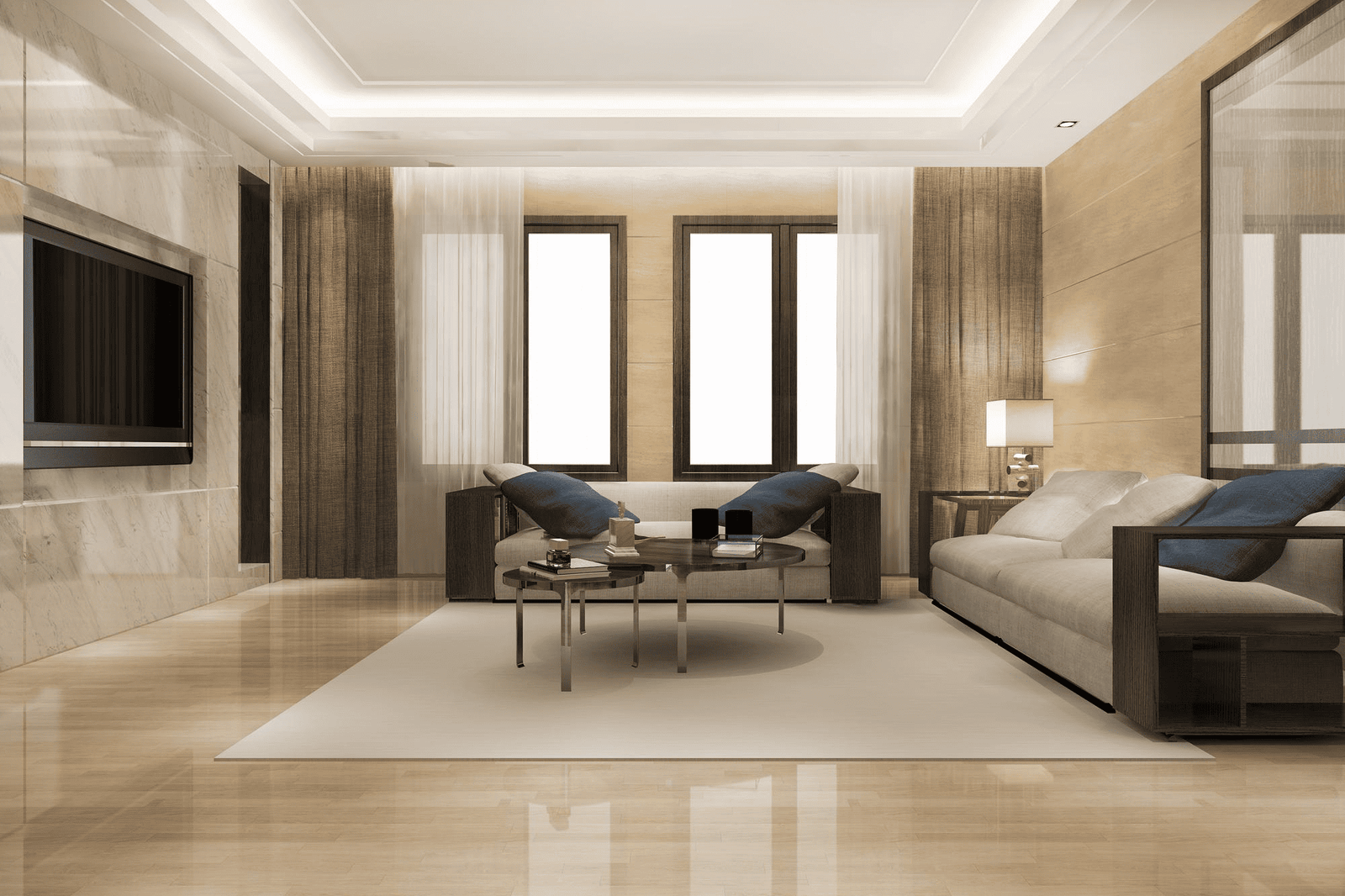
Most people choose window treatments by scrolling through Pinterest until something looks right. Then they install it, live with it for six months, and realise they're constantly fighting with their blinds or wishing their curtains would just stay put.
This isn't a design decision. It's a lifestyle decision. The difference between soft and structured window treatments reveals how you actually interact with your space every single day—how you manage light, adjust privacy, and whether you want to fiddle with things or set them once and move on.
The framework is simple: match your window treatments to your daily routines and habits, not to what looks good in someone else's house. For more insights on making design choices that reflect how you actually live, visit our Blog.
The Window Treatment Decision You're Actually Making
Think about your current window frustrations. Do you constantly adjust your blinds throughout the day, trying to get the light just right? Do you wish you could tilt them more precisely? Or do you pull your curtains open in the morning and closed at night, and that's it?
This choice is about adaptability versus consistency. Soft treatments give you infinite adjustment options but require physical interaction. Structured treatments give you precise, repeatable control but within defined parameters.
Neither is better. They just suit different people.
What 'soft' and 'structured' actually mean in your daily life
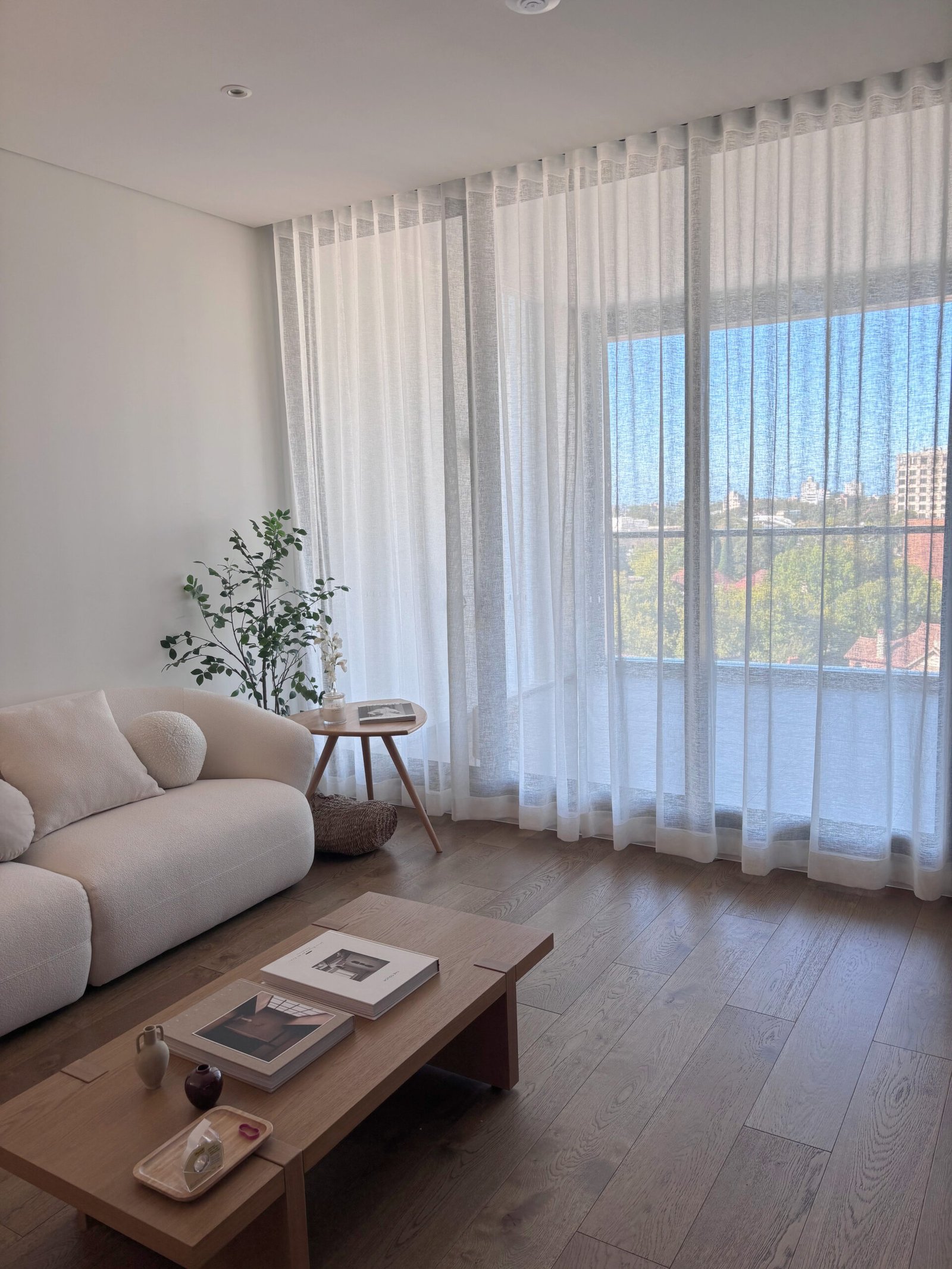
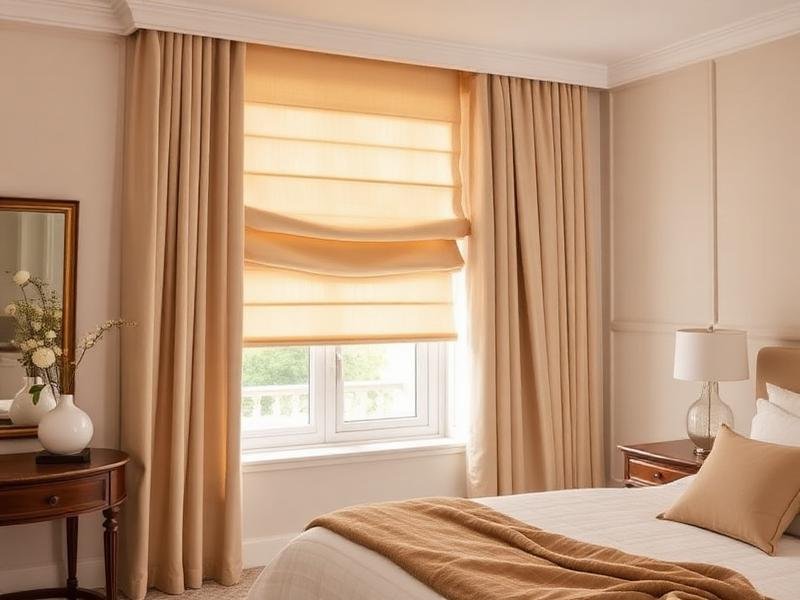
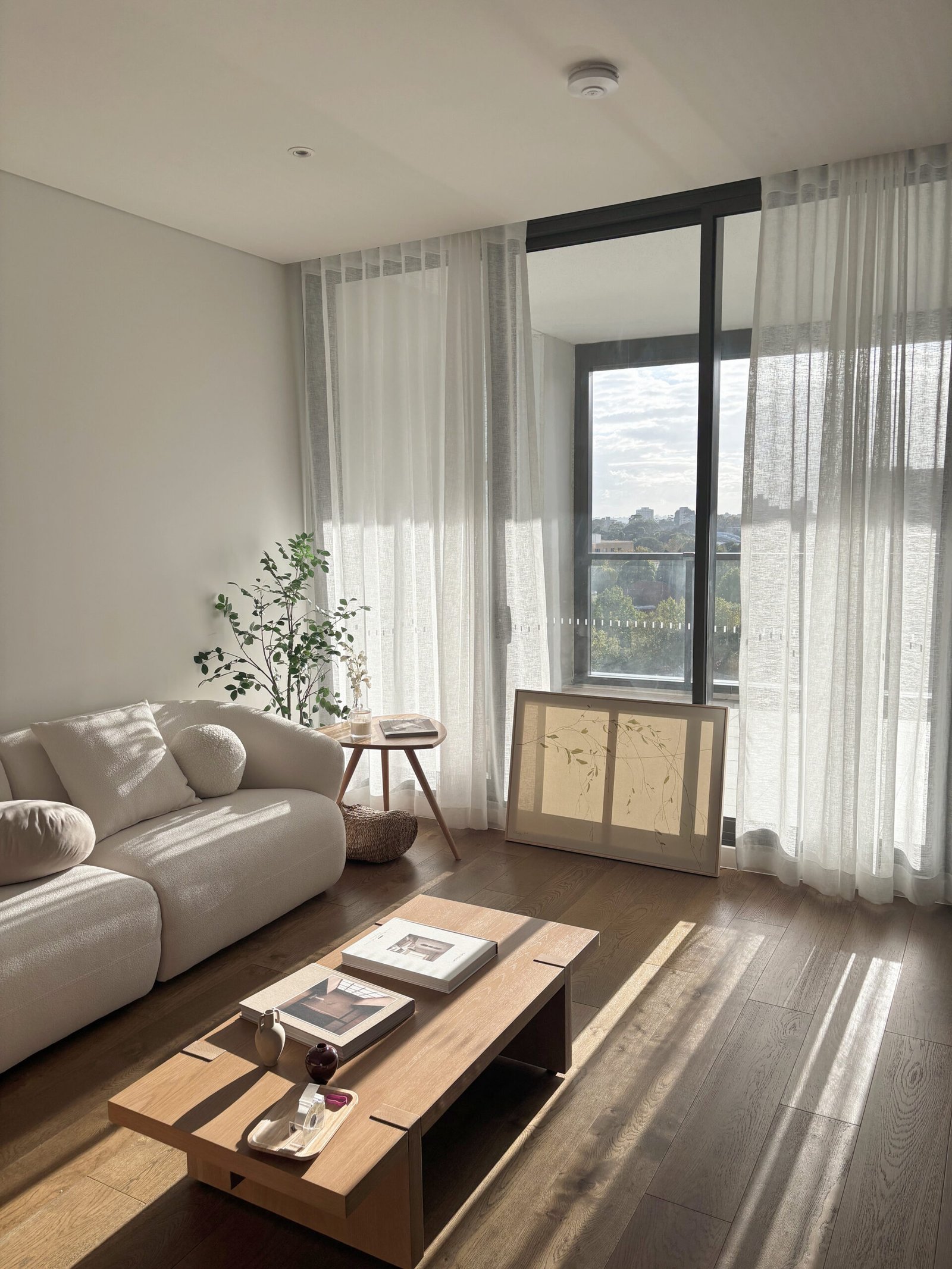
Soft treatments are fabric-based options you physically move—curtains, drapes, soft Roman shades. You pull them across, bunch them to one side, tie them back. They're tactile and adjustable.
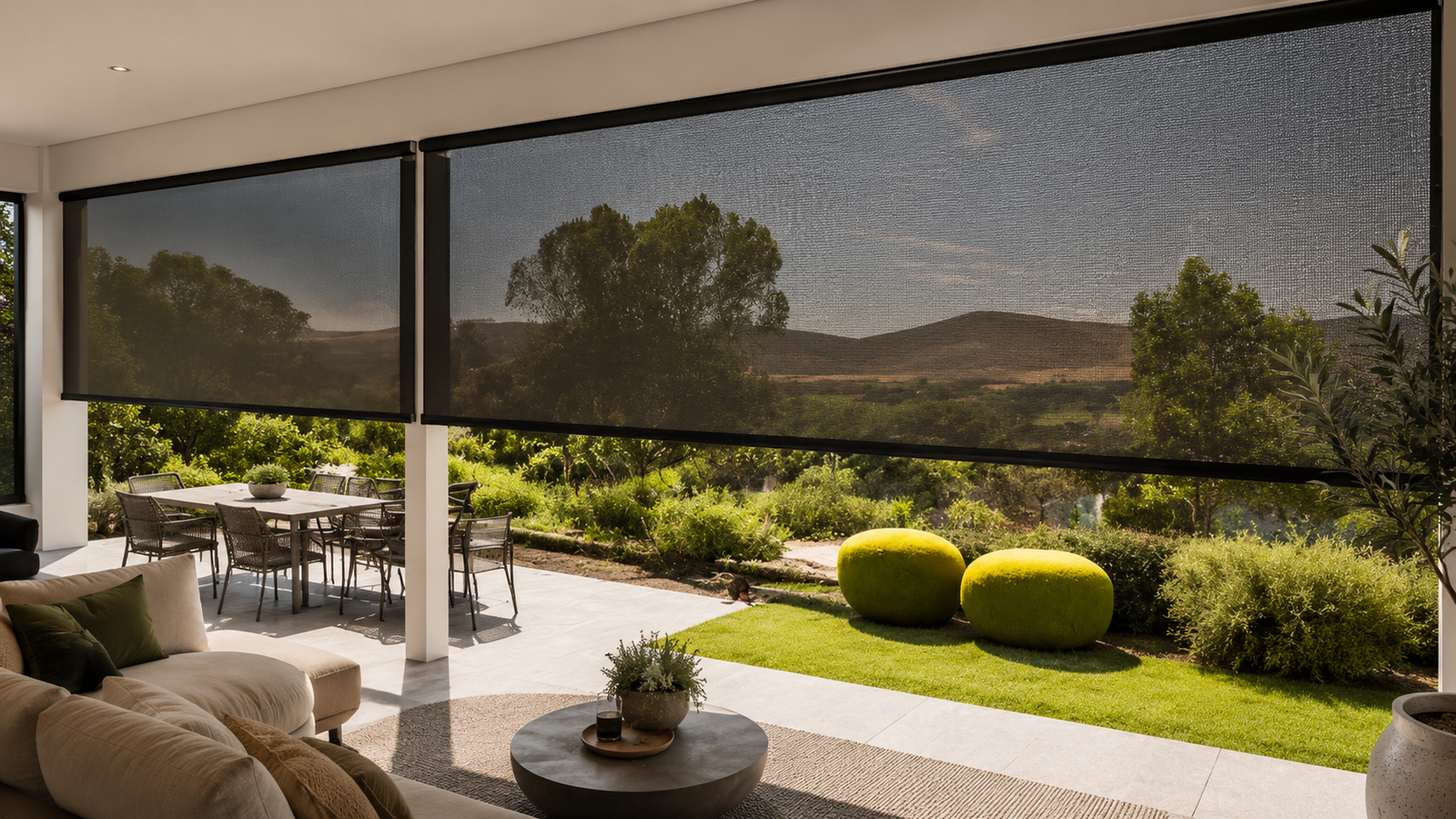
Structured treatments are mechanical—shutters, Venetian blinds, roller blinds. You tilt slats, roll them up or down, operate them on tracks. They're precise and repeatable.
The fundamental difference is how you use them. Soft means grabbing fabric and moving it. Structured means operating a mechanism.
Why your morning routine reveals which style you need
Walk through a typical morning. Do you want to quickly tilt blinds for partial light whilst you make coffee, then adjust them again when you sit down to work? Or do you prefer pulling curtains fully open for maximum brightness and leaving them that way until evening?
People who value gradual light control throughout the day—adjusting multiple times as the sun moves—lean toward structured options. Those who prefer dramatic open/closed states suit soft treatments.
Ask yourself: do you adjust your windows multiple times daily or set them once and leave them? Functionality and lifestyle should heavily influence your design decisions, and your window habits are no exception.
Soft Window Treatments: When Flexibility Matters More Than Precision
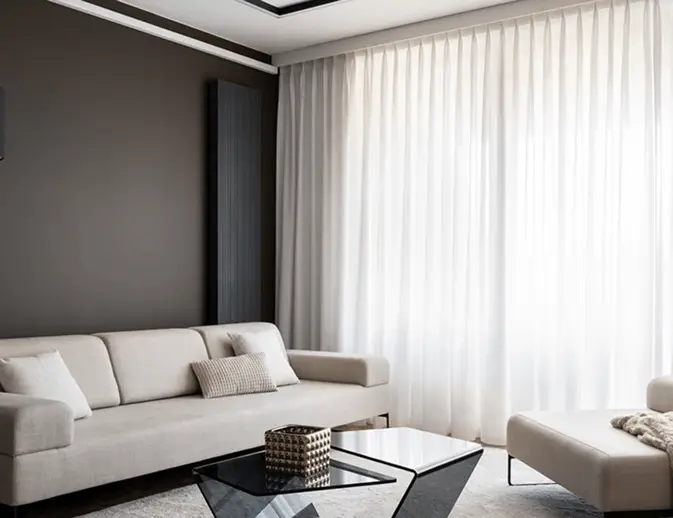
Soft treatments suit people who want tactile control and the ability to adjust coverage in infinite ways. You can bunch them, drape them differently each day, tie them back at varying heights. They adapt to changing needs.
This style works brilliantly if you prioritise warmth, texture, and a lived-in feel over architectural precision. Rustic or farmhouse style includes nature-inspired elements such as natural wood, exposed beams, and earthy tones, often complemented by handcrafted furniture and vintage accessories—all of which align naturally with soft fabric treatments.
You're constantly adjusting light and privacy throughout the day
Working from home? Children napping at odd hours? Evening TV glare? These scenarios demand different light levels hourly, and soft treatments let you create custom positions that structured options simply can't match.
You can pull curtains half-drawn, bunch them to one side, drape them loosely for filtered light. This suits people with varied daily schedules requiring frequent, nuanced adjustments.
Soft treatments aren't superior. They're just better for this specific lifestyle need.
Your home has irregular windows or rental restrictions
Arched windows? Bay windows? Non-standard shapes where structured fittings cost a fortune or don't fit properly? Soft treatments work brilliantly here.
Renters benefit too. Soft treatments install without permanent fixtures and travel with you when you move. They can also disguise awkward window proportions or architectural flaws that structured treatments would highlight.
You prioritise warmth and sound absorption over clean lines
Fabric insulates better than hard materials. If you live in a cold climate or have poorly insulated windows, soft treatments make a noticeable difference.
They also absorb sound, reducing echo in open-plan spaces or rooms with hard flooring. The visual warmth and texture fabric adds creates a cosier atmosphere than hard blinds ever will.
Structured Window Treatments: When You Want Set-It-and-Forget-It Control
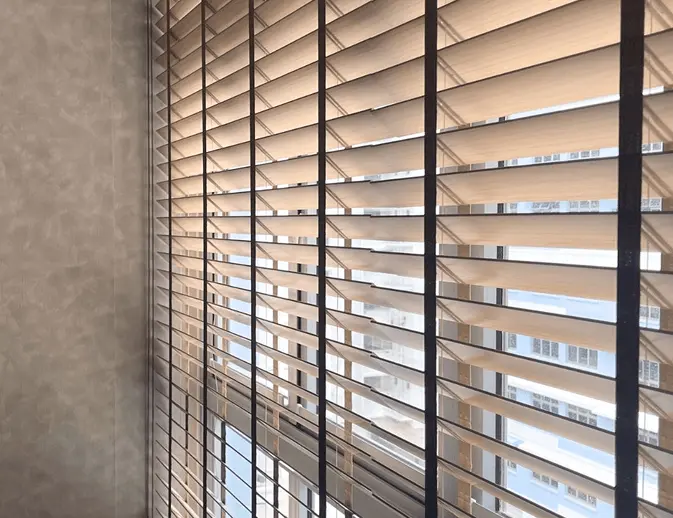
Structured treatments suit people who want predictable, repeatable light control without daily fussing. You can set slats to exact angles or raise blinds to specific heights consistently, day after day.
This approach values clean aesthetics and minimal visual interruption. Modern and minimalist design emphasises simplicity, clutter-free interiors, neutral colour schemes, and high-quality materials like glass, steel, and polished wood—all of which align perfectly with structured treatments.
You value consistent light control without daily fussing
Structured treatments let you establish a routine. Tilt slats to the same angle each morning. Raise to the same height each evening. Your home functions predictably without constant adjustment.
Motorised structured treatments take this further, allowing scheduled automation. But even manual structured options provide the repeatable, precise control that some people simply prefer.
Your windows face harsh sun or you need total blackout
Structured treatments provide superior light blocking because they fit tightly within window frames with minimal gaps. This matters for west-facing windows with intense afternoon sun, bedrooms requiring darkness for sleep, or home theatres.
They also offer better UV protection for furniture and flooring. If you're a shift worker needing complete darkness at midday, or protecting expensive rugs from sun damage, structured treatments deliver.
You prefer minimal visual clutter and architectural emphasis
Structured treatments disappear into the architecture. Shutters become part of the window frame. Roller blinds vanish when raised. Your windows remain architectural features, not fabric displays.
This suits people who want every element intentional and unobtrusive—exactly the approach minimalist and modern design demands.
The Hybrid Approach Most People Actually Need
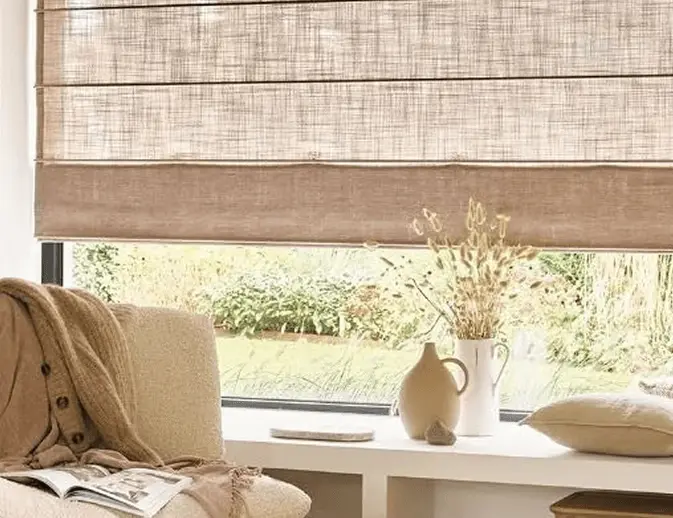
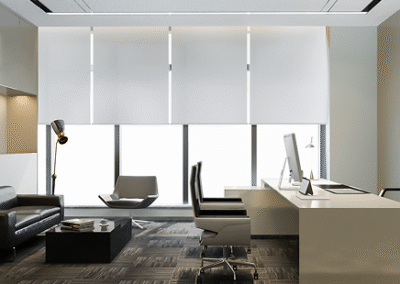
Most homes aren't uniform. Different rooms have different needs, so a single approach rarely works everywhere. Combining both styles strategically gives you the benefits of each where they matter most.
Mixing styles isn't indecisive. It's practical and reflects how real people actually live.
Which rooms genuinely need structure vs. softness
Bedrooms, bathrooms, and home offices often benefit from structured treatments. Blackout for sleep. Moisture resistance and privacy for bathrooms. Glare control for screens.
Living rooms, dining rooms, and entertaining spaces suit soft treatments. Warmth, flexibility, ambience.
Kitchens typically work better with structured options due to practicality and easy cleaning. Consider each room's primary function and frustrations before deciding.
How to layer both styles without looking confused
The classic approach: structured treatment for function plus soft treatment for aesthetics. Roller blinds for blackout, linen curtains for texture. One element stays neutral, the other carries visual interest. For detailed guidance on this technique, see our article on Sheers By Day Blockouts By Night Layering Curtains.
Layering works when you maintain consistency across your home. Don't switch approaches randomly from room to room.
Your Window Style Reflects How You Actually Use Your Space
The right choice emerges from honest assessment of your daily habits, not Instagram inspiration. Observe your current window frustrations for a week before making decisions.
This decision should align with your personality and lifestyle. If you're still weighing your options between different aesthetic approaches, our guide on Modern Vs Classic Roman Blinds Which One Suits Your Home offers additional perspective.
There's no wrong choice. Only the choice that works for how you actually live.