

Layering vs. Standalone Window Treatments: Which Approach Suits Your Home?
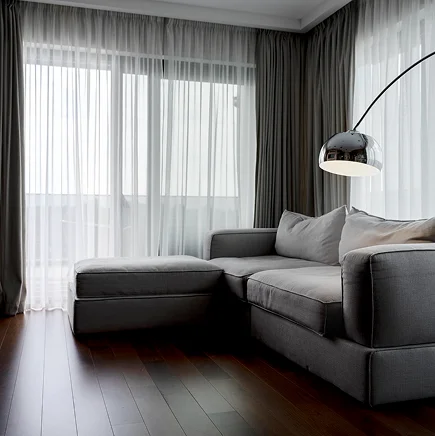
ou're standing in your bedroom at 6am, wide awake because the street light outside is streaming through your blockout blind. Or you're trying to watch TV in the afternoon, squinting at the screen because the glare is unbearable. Single window treatments force you to pick one setting: privacy or light, darkness or view. You can't have both.
Layering window treatments means using more than one type of covering on the same window. It's not about following a trend. It's about solving problems that one treatment can't handle on its own. But it costs more, takes longer to install, and isn't necessary for every window in your home. The decision comes down to whether you need your windows to do different things at different times of day. If you're exploring options for your home, our Blog covers practical guidance on window treatment choices.
This guide will help you decide based on your actual situation: which windows need layering, which don't, and what combinations solve specific problems without wasting money on unnecessary complexity.
When One Layer Isn't Enough (And When It Is)
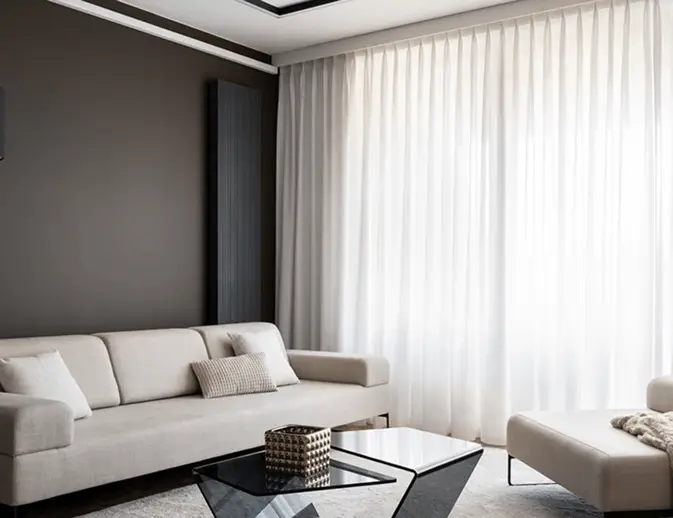
A single treatment locks you into one choice. Blockout blinds give you darkness but eliminate natural light during the day. Sheer curtains let light in but offer no privacy at night. You're constantly adjusting, or living with a compromise that doesn't quite work.
Layering lets you adjust throughout the day. Sheer curtains during the morning for soft light, blockout blinds at night for complete darkness. You're not committing to one setting. But here's the reality: most windows don't need this flexibility. A bathroom window with frosted glass and a simple roller blind works perfectly well. Layering isn't superior by default. It's a solution to a specific problem.
The Real Costs: What Layering Actually Adds to Your Budget
A single roller blind might cost $150 to $300 per window. Add sheer curtains, and you're looking at $400 to $600 for the same window. Plantation shutters with sheers can push past $1,200 per window. The cost multiplies across every window in your home. If you're treating six windows, the difference between single and layered treatments could be $1,500 to $3,000.
The cost isn't just materials. Layering requires additional hardware: separate mounting brackets, curtain rods, tracks. Professional installation becomes more likely because coordinating two treatments on one window demands precise measurements and multiple mounting points. That's another $200 to $400 in labour per window. Budget concerns aren't trivial. For most homeowners, this is a significant decision.
Installation Complexity: DIY vs Professional Requirements
Installing a single roller blind is straightforward. Measure, mark, drill, mount. Most confident DIYers can handle it in an hour. Layering changes the equation. You're installing two separate systems that need to work together without interfering. Dual roller blinds are manageable because they share one bracket system. Heavy curtains paired with shutters? That's a professional job. The weight, the alignment, the structural support required—it's not a weekend project.
Time investment matters too. Installing two treatments doesn't take twice as long. It takes longer because you're coordinating placement, ensuring clearance, checking that both layers operate smoothly. If you're doing it yourself, expect three to four hours per window for layered systems. Some combinations are DIY-friendly. Others aren't worth the risk of getting wrong.
Four Scenarios Where Layering Solves Problems Single Treatments Can't
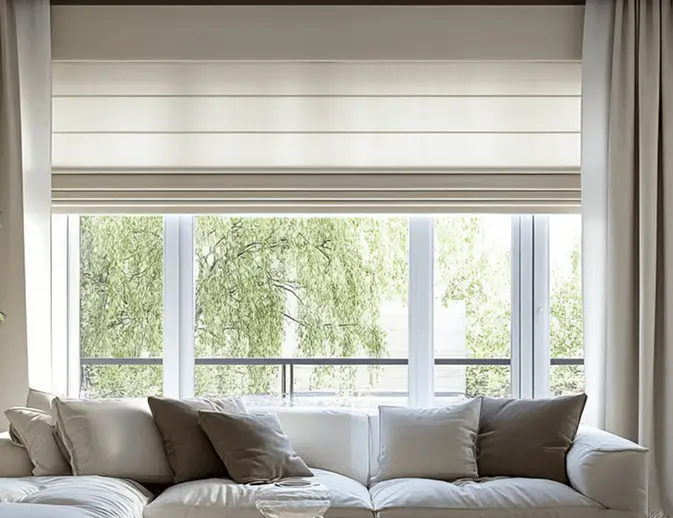
These are the situations where the extra cost and complexity deliver clear, measurable value. Not every window qualifies. But when these problems exist, layering stops being optional.
Street-Facing Windows: Privacy Without Living in Darkness
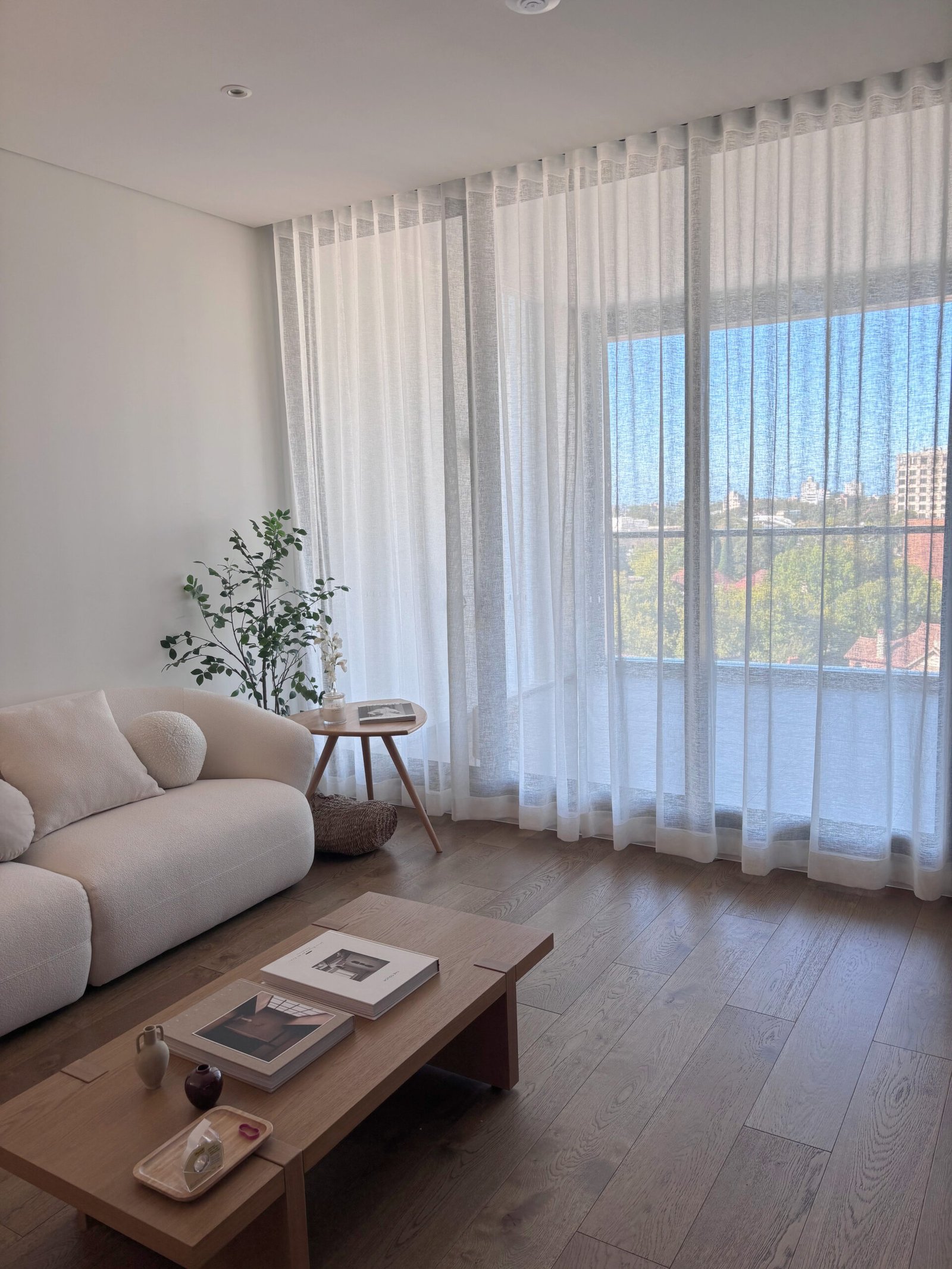
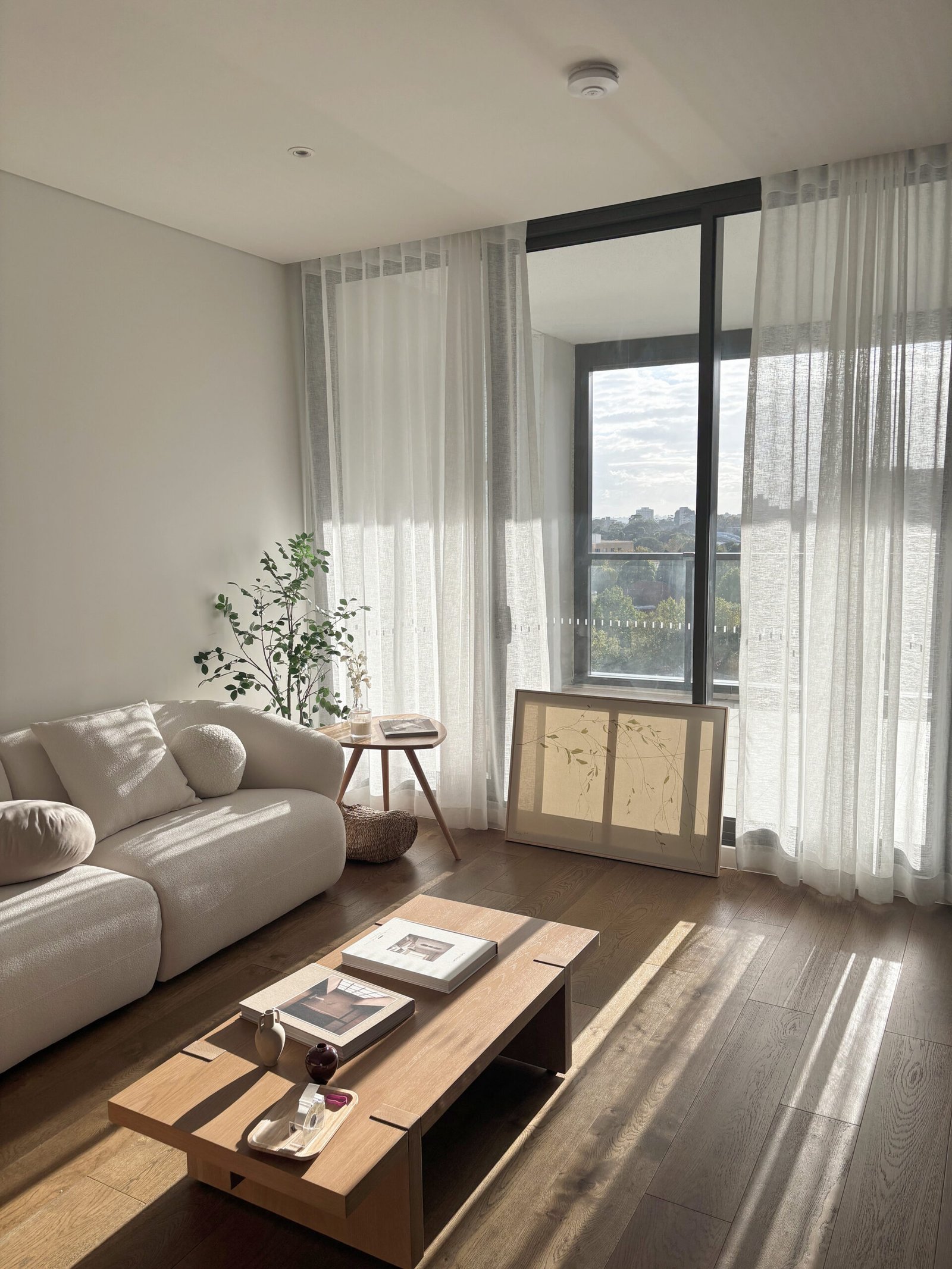
Ground-floor windows facing the street create a dilemma. You need privacy, but closing blockout blinds all day turns your living room into a cave. Sheer curtains with blockout roller blinds solve this. Sheers stay closed during the day, filtering light whilst preventing passersby from seeing in. At night, you drop the blockout blind for complete privacy.
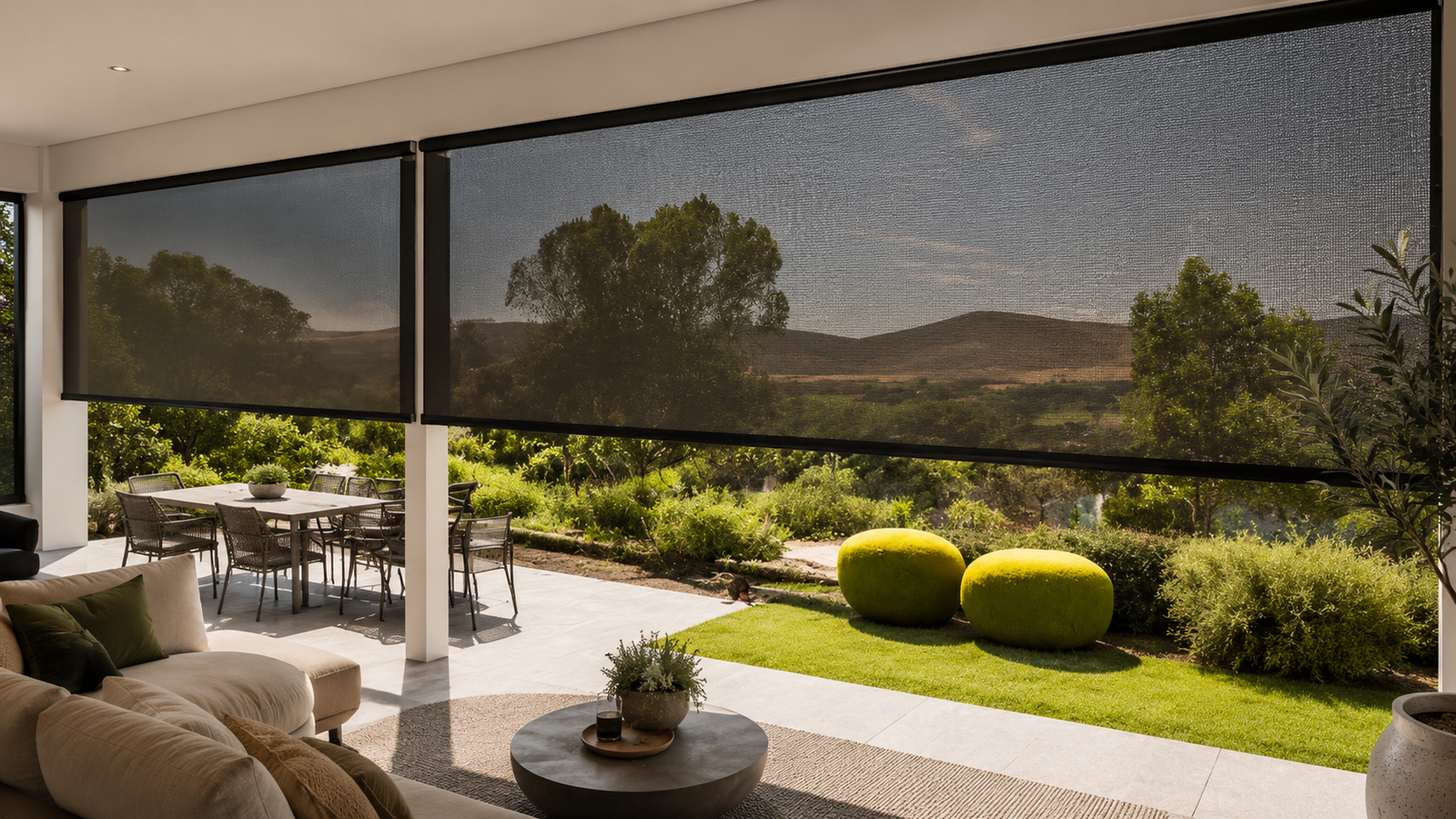
For high-traffic streets or homes with serious privacy concerns, roller shutters combined with indoor blinds offer ultimate insulation and privacy. This is the heavy-duty option. It's overkill for most homes, but if you're dealing with constant foot traffic or security concerns, it's worth considering. Don't apply this to every window. Only the ones with genuine privacy issues.
Bedrooms: Controlling Light Across Different Times of Day
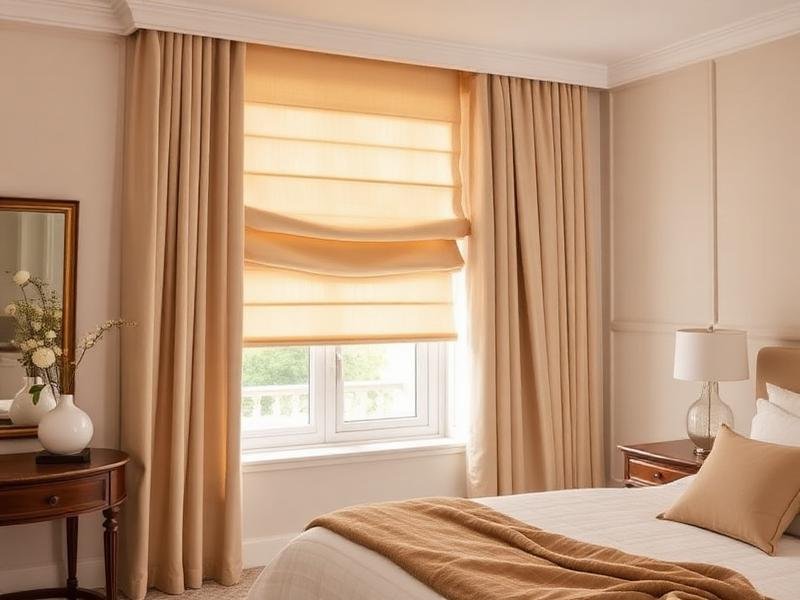
Bedrooms need complete darkness for sleep but natural light in the morning without harsh glare. A single blockout blind gives you darkness but forces you to wake up in a dark room. Dual roller blinds or sheer and blockout combinations let you adjust. Blockout at night, sheer in the morning. This is one of the most popular layering applications because the need is obvious and the solution works.
You're not overthinking this. You're solving a real problem: wanting to sleep in darkness and wake up to soft light. If you're interested in how this works in practice, our guide on Sheers By Day Blockouts By Night Layering Curtains explains the setup in detail.
Energy Bills: Insulation That Actually Reduces Costs
Layered treatments with thermal blinds or heavy curtains provide extra insulation. Drapery paired with roller shades reduces heat and cold escape along the sides of the shade, creating a tighter seal. This matters most in extreme climates or poorly insulated homes. If your windows are already double-glazed and your home is well-insulated, the benefit is marginal.
Don't expect dramatic savings. Layering contributes to energy efficiency, but it's not going to halve your power bill. It's one factor among many. In older homes with single-pane windows, the difference is noticeable. In modern, well-sealed homes, it's less significant.
Noise Reduction: When Sound Control Matters
Homes near busy roads, airports, or in urban areas with constant street noise benefit from dense materials in layered systems. Curtains combined with blinds significantly reduce noise compared to a single treatment. This also improves acoustics in open-plan spaces where sound bounces off hard surfaces.
This isn't a primary reason to layer unless noise is genuinely problematic. If you're losing sleep because of traffic or struggling to concentrate because of external noise, it's worth considering. Otherwise, it's a secondary benefit, not a driving factor.
Three Situations Where Single Treatments Work Better
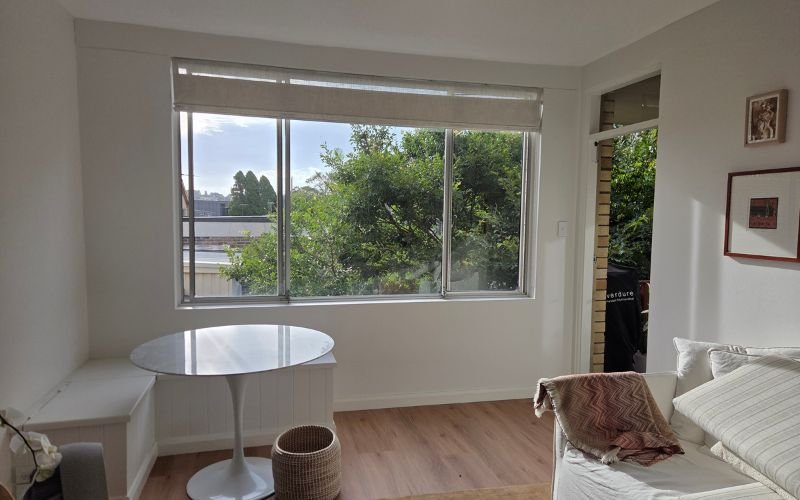
Understanding when not to layer is just as important as knowing when to layer. These are equally valid choices, not compromises.
Small Windows: When Layers Create Visual Clutter
Small windows in bathrooms, narrow kitchen windows, or small bedroom windows can look overwhelmed by multiple treatments. Layering reduces the visible glass area and makes the window feel even smaller. A single roller blind or simple shutter serves the primary need without adding visual weight.
This isn't about small rooms. It's about small window openings. A large room with small windows still benefits from keeping treatments simple. Choose one well-designed treatment that does the job cleanly.
Rental Properties: Avoiding Permanent Installations
Renters can't make permanent changes or don't want to invest heavily in a temporary home. Layering often requires multiple drill holes and hardware that may not be permitted. Even if it's allowed, it's not worth the effort when you're moving in 12 months.
Tension-mounted blinds or simple curtains on removable rods work better. You get function without commitment. This isn't about budget. It's about practicality. Your constraints are real, and your solution should reflect that.
Minimal Budgets: Getting Maximum Function from One Treatment
Doubling up on treatments isn't feasible for tight renovation budgets. Choose one high-quality treatment that addresses the primary need. Blockout blinds for bedrooms. Sheer curtains for living areas. A single well-chosen treatment is better than two cheap, poorly functioning layers.
This is smart prioritisation, not settling. You're making a deliberate choice to invest in quality over quantity. If your budget allows for layering later, you can add it. But starting with one solid treatment is a perfectly valid approach.
Matching Your Combination to Your Actual Needs

The best combination depends entirely on what problem you're trying to solve. These pairings are popular because they handle specific needs effectively.
Sheer + Blockout: The Most Versatile Pairing
This is the most popular combination because it handles the widest range of needs. Sheer curtains with blockout roller blinds offer privacy without sacrificing natural light, giving you daytime privacy with light and night-time darkness. It works in bedrooms, living rooms, and any space used throughout the day.
It's versatile, but that doesn't mean it's necessary everywhere. If your living room doesn't need complete darkness, sheers alone might be enough. If your bedroom doesn't get morning light, blockout alone works. Don't default to this pairing just because it's popular.
Shutters + Sheers: When Style Drives the Decision
Plantation shutters provide structure and elegance. Sheers add softness. This combination is chosen primarily for visual impact, with functional benefits as secondary. It's a higher-cost option, and that's fine if aesthetics are a priority for you.
Style is a legitimate motivation. If you want your home to look a certain way, and this combination achieves that, the extra cost is justified. Just be clear that you're paying for appearance as much as function.
Roller Shutters + Blinds: Maximum Insulation and Security
This is the heavy-duty option for extreme needs: security concerns, severe weather, maximum energy efficiency. It's the most expensive and complex installation. Only worthwhile for specific high-need situations like street-facing windows in high-traffic areas or homes in extreme climates.
It's overkill for most standard residential windows. If you don't have serious security or insulation concerns, this is more than you need. If you're considering this level of protection, contact Romablinds for expert guidance on whether it's the right fit for your situation.
Your Window Treatment Decision in One Question
Do you need your window to do two different things at different times of day? If yes—privacy and light, darkness and view, insulation and ventilation—layering is worth considering. If one treatment handles your primary need, adding layers is optional, not essential.
Assess each window individually. Your bedroom might need layering. Your bathroom doesn't. Your street-facing living room might. Your back bedroom probably doesn't. Don't apply one solution to the entire home just for consistency. Function matters more than uniformity.
If you're unsure which approach suits your specific windows, Romablinds can help you evaluate your needs and recommend solutions that actually work for how you live. Get the decision right once, and you won't be adjusting blinds in frustration for the next ten years.