Why Your Beautiful Home Feels Cold and Unwelcoming (And How Window Furnishings Can Fix It)
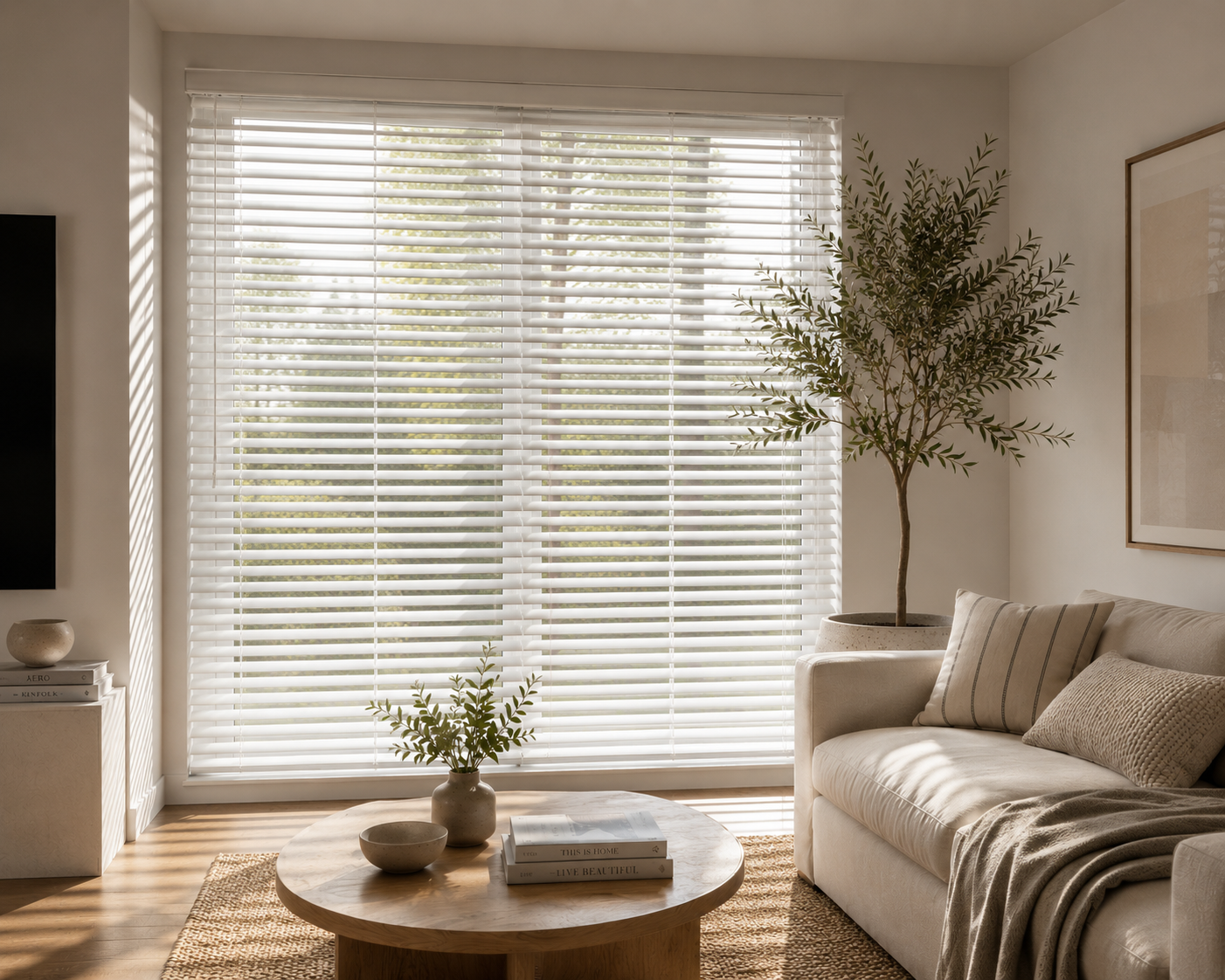
You've done everything right. The furniture is quality. The colour scheme is cohesive. The room photographs beautifully. Yet somehow, you don't want to spend time in it.
This isn't about temperature. It's about the intangible feeling of warmth that makes a space feel like home rather than a showroom. The good news? You don't need to start over. You need to understand what's missing and add it back in strategic ways.
This article addresses that emotional disconnect and shows you how to fix it without replacing what you've already invested in.
When Everything Looks Right But Nothing Feels Right
You've bought the right pieces. The sofa was expensive. The coffee table is exactly what you wanted. The paint colour looked perfect on the sample card. But when you walk into the room, something's off.
It looks beautiful in photos. Friends compliment it. Yet you find yourself gravitating to other rooms in the house. You sit down with a book and feel restless. The space doesn't invite you to linger.
This is common. It's not about poor taste or wrong purchases. It's about the elements that create emotional warmth being absent, even when visual style is present.
Do you find yourself avoiding your own living room? That's the signal.
The Five Things That Make a Room Feel Cold (Even When It's Not)

These aren't about temperature. They're design elements that create emotional coldness. They work together to make a space feel sterile and unwelcoming, even when it looks expensive and well-planned.
Identifying these is the first step. Once you see them, the fixes become obvious.
Hard Surfaces Everywhere
Timber floors are beautiful. Glass tables are elegant. Leather sofas are sophisticated. Bare windows let in light. But when you combine all of these, the room becomes acoustically harsh.
Sound bounces. Light reflects sharply. Nothing absorbs or softens. You hear every footstep, every voice echoes slightly, and the visual experience feels brittle.
This creates a sensory coldness that has nothing to do with style. The room can look stunning and still feel unwelcoming because your body is responding to how sound and light behave in the space.
You don't need to remove hard surfaces. You need balance.
Lighting That Only Comes From Above
Overhead lighting creates harsh shadows and a clinical feeling. It's the lighting of offices and hospitals. It illuminates everything equally, which sounds good in theory but feels institutional in practice.
Restaurants and hotels never rely on overhead lights alone. They use multiple sources at different heights to create warmth and intimacy.
When was the last time you felt cosy under a ceiling light? Probably never. That's not how warmth works.
Furniture That Floats in Space
Furniture arranged with too much space around it creates a showroom feeling. Nothing anchors it. Nothing connects it to the walls or windows. It just sits there, isolated.
This creates visual coldness because humans need defined, contained spaces within larger rooms. We don't feel comfortable in vast, undefined areas. We want boundaries, even subtle ones.
Open-plan living isn't the problem. The problem is furniture that doesn't create zones or visual connections within that openness.
Colour Schemes That Reflect Light Instead of Absorbing It
All-white or very light colour schemes can feel stark without warm-toned accents. Light bounces off every surface, creating a bright but cold atmosphere.
There's a difference between light that bounces and light that glows. Bouncing light feels harsh. Glowing light feels warm.
This isn't about avoiding light colours. It's about adding depth and contrast. White walls with white curtains and pale furniture feels different to white walls with textured, warm-toned layers. The first reflects. The second absorbs and softens.
Empty Walls and Bare Surfaces
Minimalism can tip into sterility when there's nothing for the eye to rest on. Blank walls and bare surfaces create a psychological effect: nowhere for attention to settle.
It's the feeling of being in a hotel room versus a home. Hotel rooms are beautiful but emotionally neutral. Homes have visual interest and detail.
This isn't about adding clutter. It's about intentional visual interest in specific places.
The Warmth Audit: What Your Room Is Actually Missing
You can measure warmth through specific sensory and visual cues. Walk through your space right now with fresh eyes and run these tests.
Test the Sound (It Tells You About Texture)
Clap your hands or speak loudly in the room. Listen for echo.
Harsh echo means too many hard surfaces and not enough sound-absorbing materials. Soft acoustics feel intimate and welcoming. Sharp acoustics feel cold and institutional.
If you hear sharp echo, you need more fabric, curtains, or soft furnishings. It's that simple.
Count Your Light Sources (You Need at Least Three Per Room)
One overhead light isn't enough for warmth. Count lamps, wall lights, and other sources at different heights.
Three or more light sources create layered, adjustable ambience instead of flat illumination. You can create different moods by switching different lights on and off.
Can you do that in your room right now? If not, that's what's missing.
Look for Visual Weight Below Eye Level
Warm rooms have visual interest at sitting height, not just standing height. Sit down and look around. What do you see at this level?
If everything interesting is above eye level when seated, the room feels top-heavy and cold. You need visual weight where you actually spend time: curtains that pool on the floor, low furniture, rugs, floor cushions.
This is where you live. This is where warmth needs to exist.
The Fix: Adding Warmth Without Starting Over
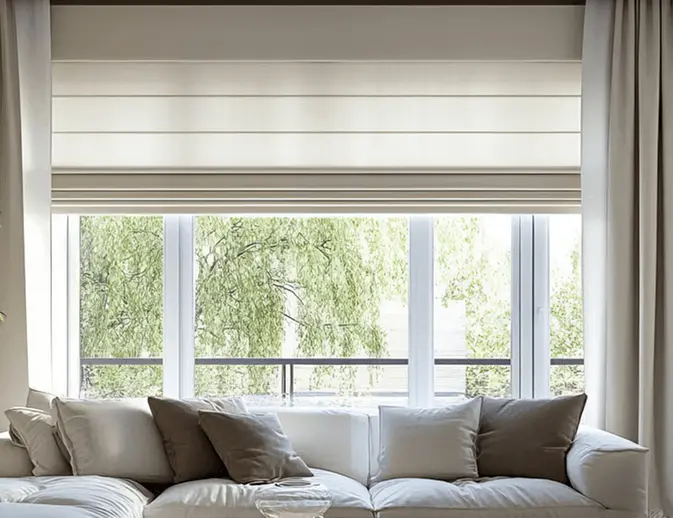
You don't need to replace furniture or repaint. These are layering strategies that work with what you already have. Small changes create significant emotional impact.
Layer Soft Things Where You Sit and Walk
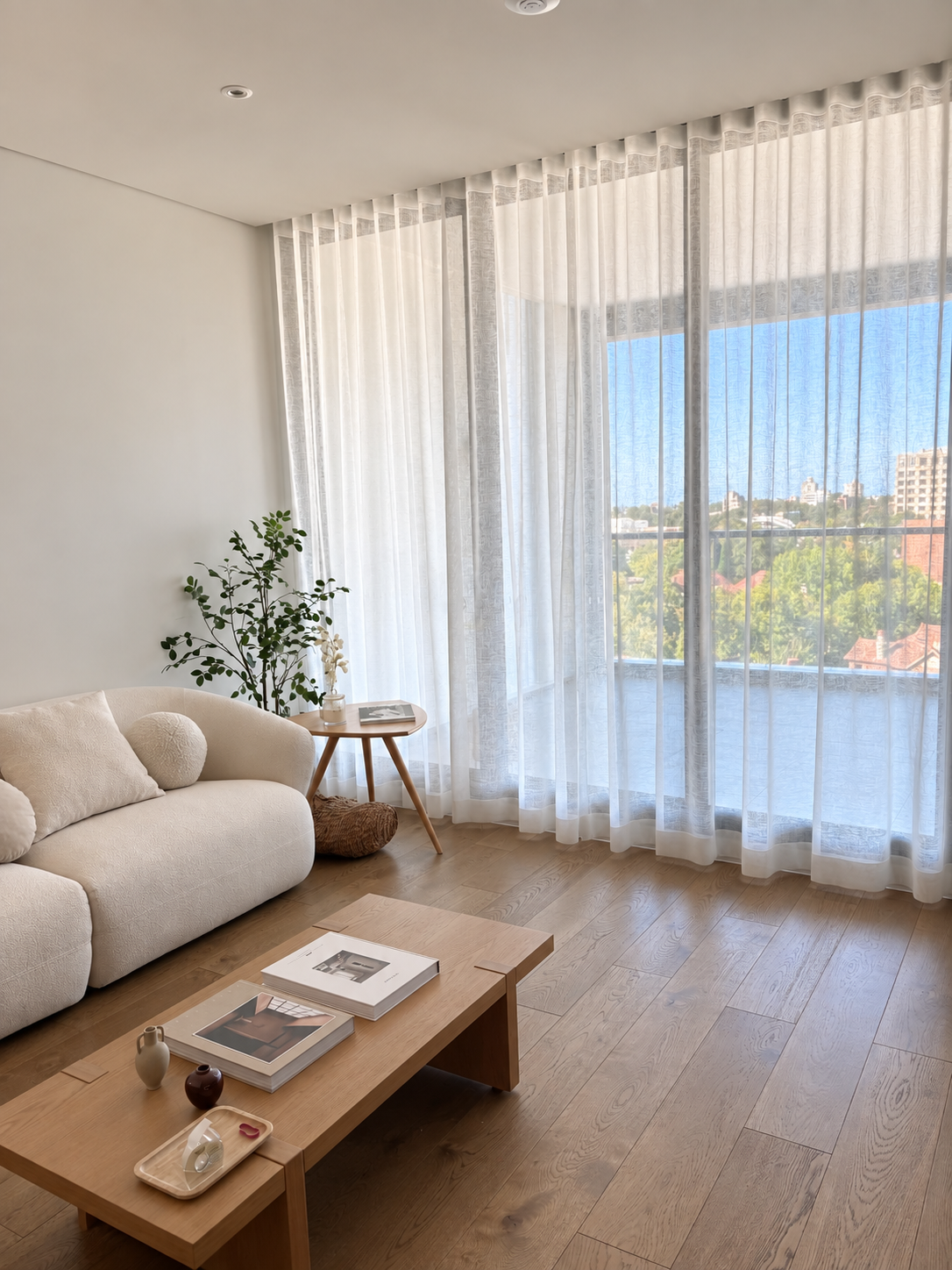
Add rugs under coffee tables. Hang curtains on bare windows. Put cushions on hard seating. Drape throws on sofas.
These absorb sound, soften light, and create tactile warmth. Focus on high-impact areas: where you spend the most time and what you see most often. For more ideas on layering window treatments effectively, our Sheers By Day Blockouts By Night Layering Curtains guide shows how to combine different fabrics for both function and warmth.
You don't need to cover everything. Strategic placement creates maximum effect.
Add Light Sources at Eye Level and Below
Put table lamps on side tables. Place floor lamps beside seating. Install wall sconces at sitting height.
The goal is to create pools of warm light rather than overall bright illumination. Use warm-toned bulbs (2700-3000K) for these accent lights.
Test it: can you turn off overhead lights and still comfortably use the room? If yes, you've succeeded.
Bring in Warm-Toned Accents (Even If Your Palette Is Cool)
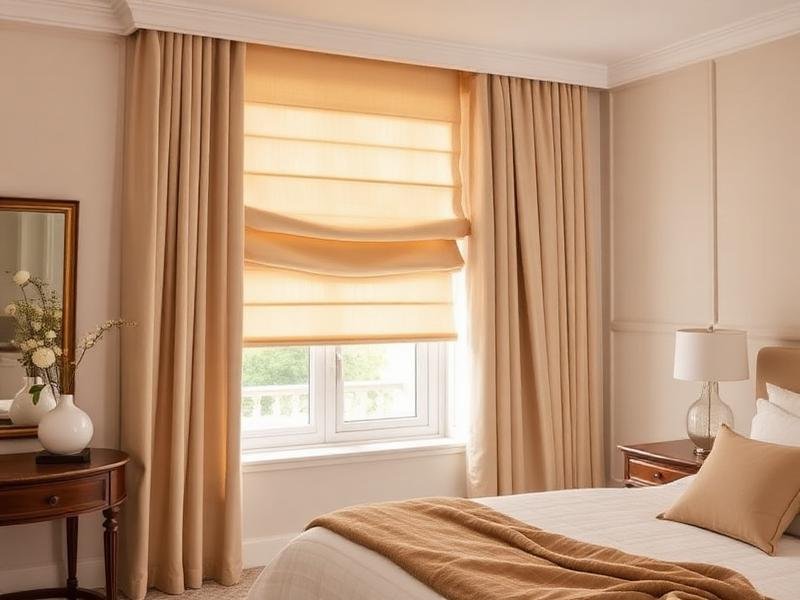
Warmth comes from honey, terracotta, rust, caramel, and timber tones. These can work in small doses: curtain lining, cushion piping, timber blinds, woven textures.
You don't need to change your overall colour scheme. Even 10-20% warm tones can shift the entire feeling of a cool-toned room. If you're considering window treatments that add warmth while maintaining style, check out our Modern Vs Classic Roman Blinds Which One Suits Your Home comparison to see which approach suits your space.
The ratio matters more than the commitment.
Create Small Moments of Visual Interest
Add texture and pattern in contained ways: patterned curtains, textured cushions, woven blinds, layered window treatments.
The eye needs places to rest and details to discover. Window areas are high-impact zones because they're focal points in most rooms.
Two or three specific changes are better than overwhelming the space with options. For more insights on creating warmth through thoughtful design choices, explore our Blog for practical ideas.
When the Room Finally Feels Like Home
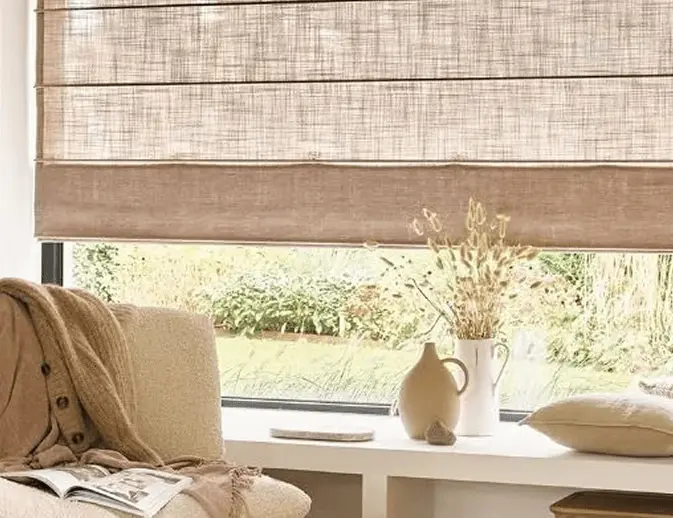
The shift is emotional. The room now invites you to stay, not just pass through. That intangible feeling of warmth is present.
Warmth isn't about perfection or expense. It's about layering and intention. You've added soft things where you sit. You've created pools of light at living height. You've brought in warm tones and visual interest in strategic places.
Trust your instinct about how a room feels, not just how it looks. Small, thoughtful changes create meaningful emotional impact. That's what makes a house feel like home.