

Creating Depth and Elegance: The Complete Guide to Layering Window Treatments
Layering window treatments isn't about piling on fabric until your windows look expensive. It's a design principle with genuine functional benefits—when applied correctly. The challenge is knowing when to layer and when to stop.
The central tension here is real: you want sophistication without visual clutter. You want better light control and insulation without spending thousands on every window in your home. And you definitely don't want to make decisions that shrink your rooms or clash with your design intent.
This guide gives you a framework for making confident decisions about which windows deserve layering and which ones work better with a single, well-chosen treatment. Not every window needs three layers. Some don't need any.
Why Your Windows Feel 'Off' Even When the Curtains Are Perfect
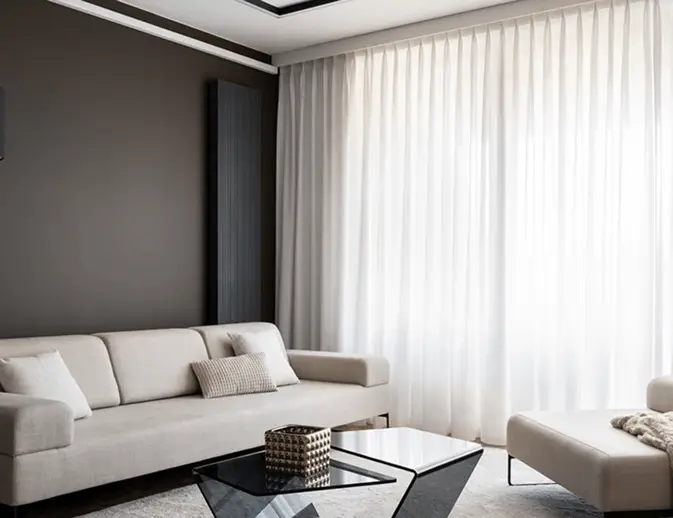
You've invested in quality curtains. The fabric is beautiful, the installation is professional, and yet something still feels incomplete. The room doesn't have the polish you expected.
This happens because single-layer treatments are often trying to do too many jobs at once. You need privacy during the day, light control in the evening, thermal insulation in winter, and visual impact year-round. One layer of fabric—no matter how expensive—can't deliver all of that simultaneously.
The opposite problem is just as common. Over-layered windows feel heavy, dated, or visually cluttered. Too many swags, pelmets, and tiebacks competing for attention. The window becomes a costume rather than a considered design element.
Both scenarios stem from the same issue: treating all windows the same way instead of evaluating what each one actually needs to do.
The Three-Layer Framework (And What Each Actually Does)
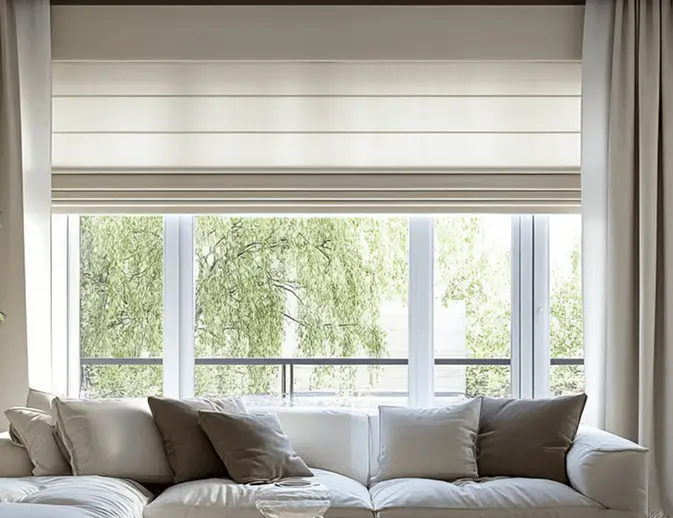
Effective window layering works like clothing layering. Each layer serves a distinct functional purpose, and you only add what you actually need.
Think about how you dress for cold weather. The traditional layering principle uses a base layer to manage moisture, an insulation layer to retain heat, and a shell layer to protect against wind and water. Window treatments follow the same logic: base layer for light diffusion, insulation layer for thermal and acoustic control, statement layer for visual impact.
This is a menu, not a mandate. Not every window needs all three layers. Some need two. Some work better with just one.
The Foundation Layer: Sheers and Privacy Screens
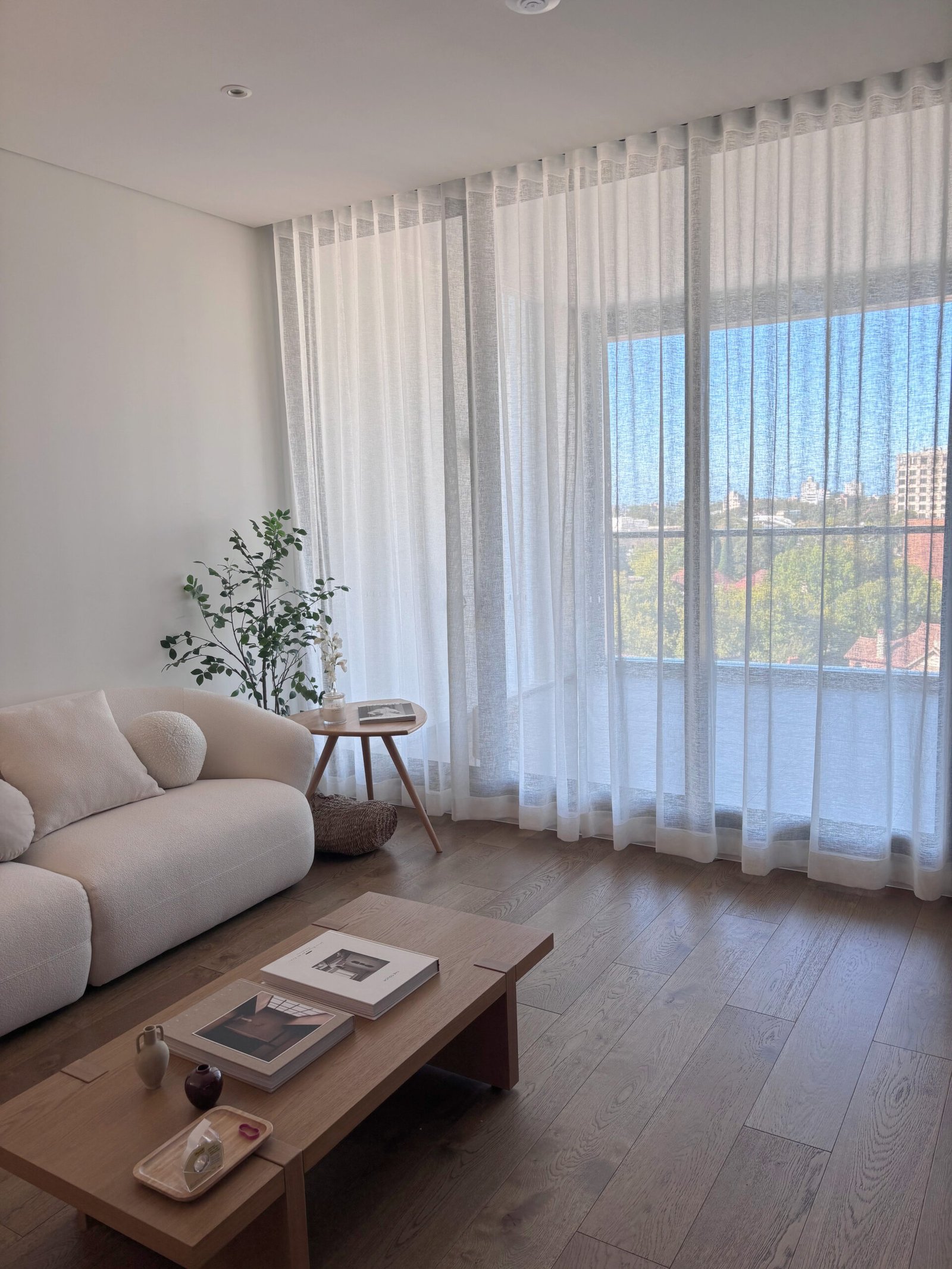
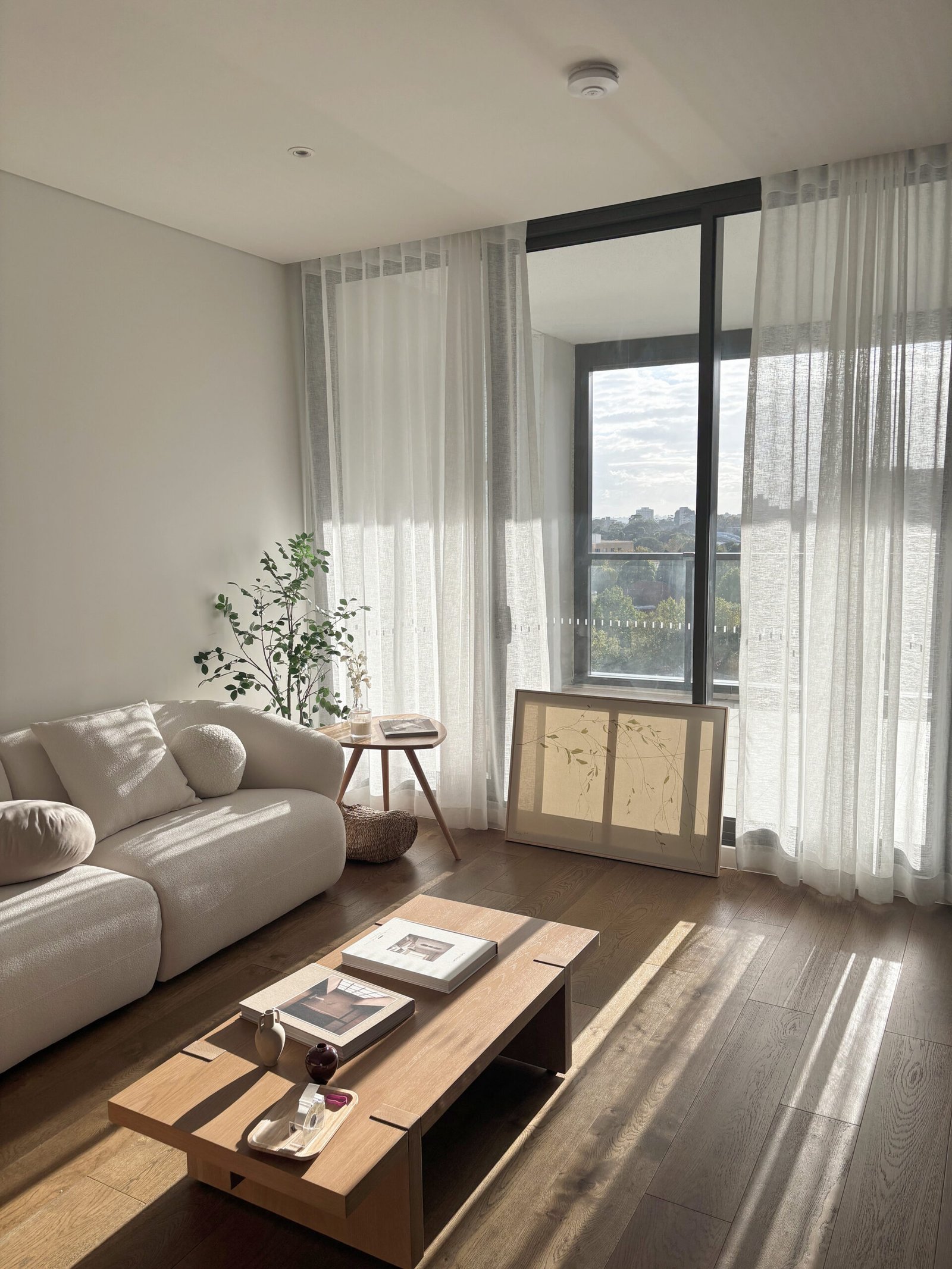
This layer manages light diffusion and daytime privacy without blocking natural light entirely. It's the base layer that sits closest to the glass.
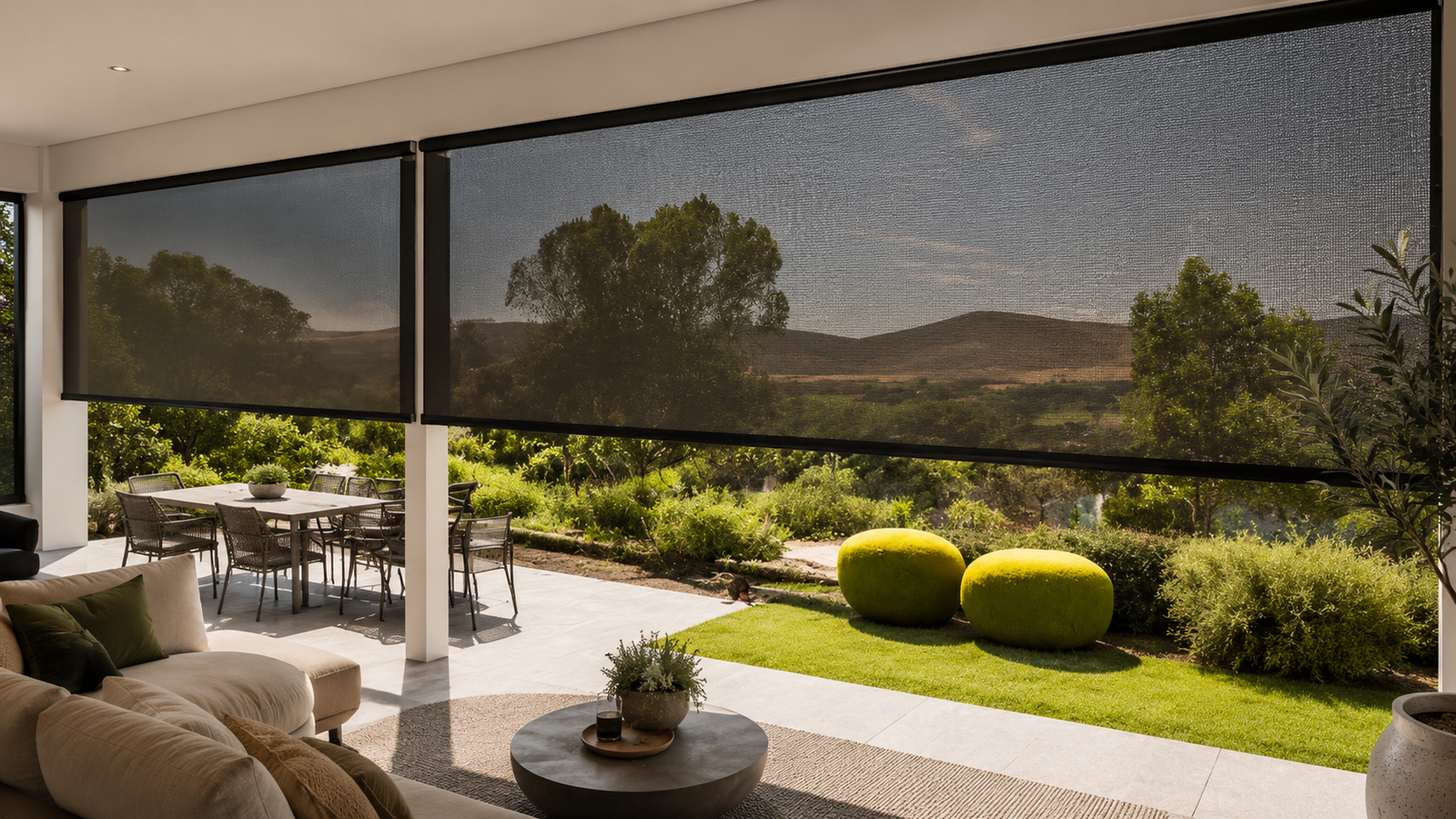
Options include sheer curtains, solar shades, light-filtering roller blinds, and privacy films. The job here is to soften harsh sunlight and prevent street-level visibility while keeping the room bright and open.
When is this layer alone sufficient? Street-facing windows in temperate climates. Rooms that need constant soft light, like home offices or living areas. Any space where you value natural brightness over complete darkness.
The Insulation Layer: Lined Curtains and Cellular Shades
This is your thermal and acoustic barrier. The layer that actually saves energy and reduces noise.
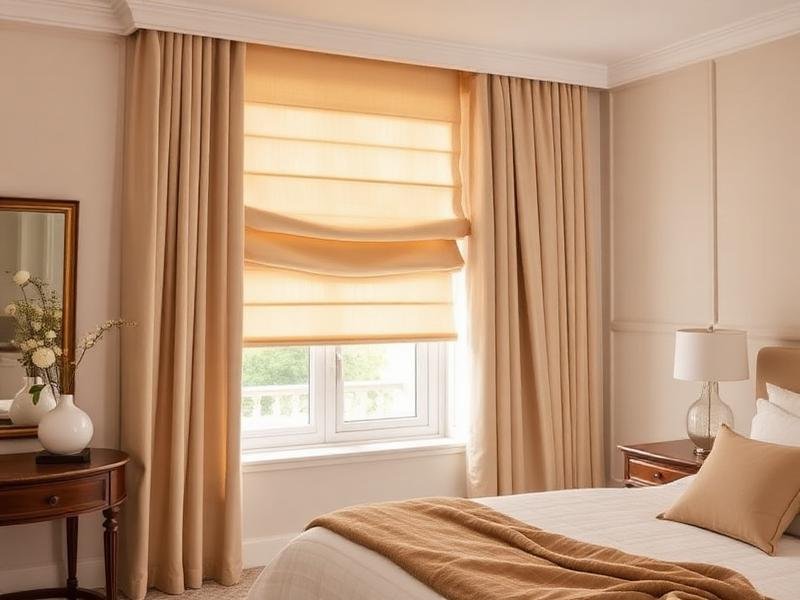
Specific options include blockout cellular shades, thermal-lined curtains, honeycomb blinds, and Roman shades with insulated backing. These materials trap air and create a buffer between your room and the outside temperature.
This layer becomes essential for west-facing windows that cop afternoon heat, bedrooms where you need complete darkness for sleep, media rooms where light control matters, and homes in extreme climates where energy costs add up quickly.
The Statement Layer: Drapes, Valances, and Architectural Hardware
This is the shell layer that faces the room. It does minimal functional work but creates the room's aesthetic character.
Examples include decorative drapes, pelmets, ornamental rods, tiebacks, valances, and swags. This layer is about visual impact and architectural presence.
It's also the first layer to eliminate when simplifying or working with budget constraints. If you're choosing between one beautiful insulating shade or a mediocre shade plus decorative drapes, choose the former.
When Layering Makes Your Room Worse (Not Better)
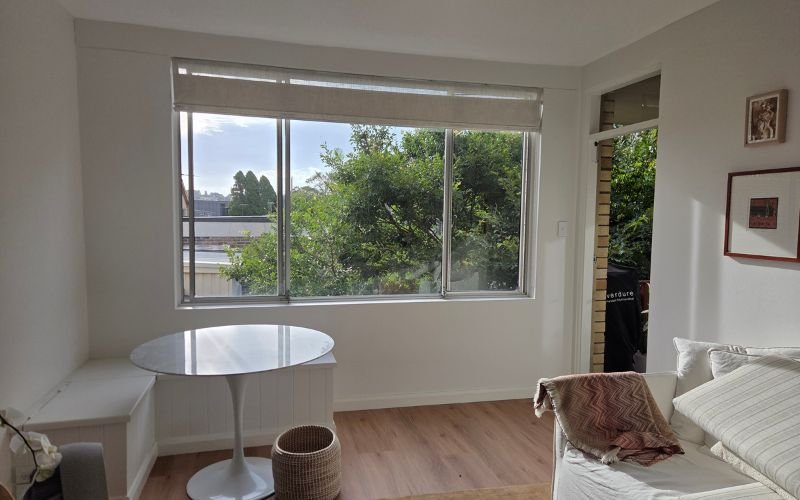
Layering isn't universally beneficial. It can create real problems when applied without consideration for the space, the architecture, or your actual needs.
Adding layers can visually shrink spaces, overwhelm architectural features, or clash with design intent. The following scenarios are where restraint beats abundance.
Small Windows and Low Ceilings: Where Layers Shrink the Room
Multiple fabric layers create visual weight that makes small windows appear even smaller. The problem compounds with low ceilings—layered treatments draw the eye down rather than creating vertical lift.
For these spaces, choose single-layer solutions: simple roller blinds, minimal sheers, or streamlined cellular shades. Keep the window frame clean and uncluttered.
The exception: if the small window is in a bedroom that needs serious light blocking, choose one substantial blockout layer rather than multiple thin ones. Function wins here, but keep it simple.
Minimalist and Modern Spaces: When Clean Lines Trump Texture
Layering is fundamentally at odds with minimalist design philosophy. Modern architecture often features windows as sculptural elements that shouldn't be obscured by fabric.
Alternatives that honour the aesthetic include motorised roller blinds, recessed cellular shades, or frameless panels. If you need layering in a modern bedroom, use clean materials—no swags, no tiebacks, no decorative hardware.
Even modern spaces might layer in high-function rooms, just with cleaner materials and simpler installation.
Rental Properties and Temporary Homes: The Cost-Benefit Reality
Layering requires significant upfront investment that renters can't recoup. A single quality blind might cost $200–$400 per window. A full three-layer treatment can easily hit $800–$1,200 per window.
For rentals, the foundation layer only approach makes sense: invest in one good-quality, portable solution that you can take with you.
The exception is long-term rentals (three years or more) in extreme climates where insulation layers pay for themselves in energy savings. Run the numbers before committing.
The Decision Matrix: Your Window-by-Window Layering Guide
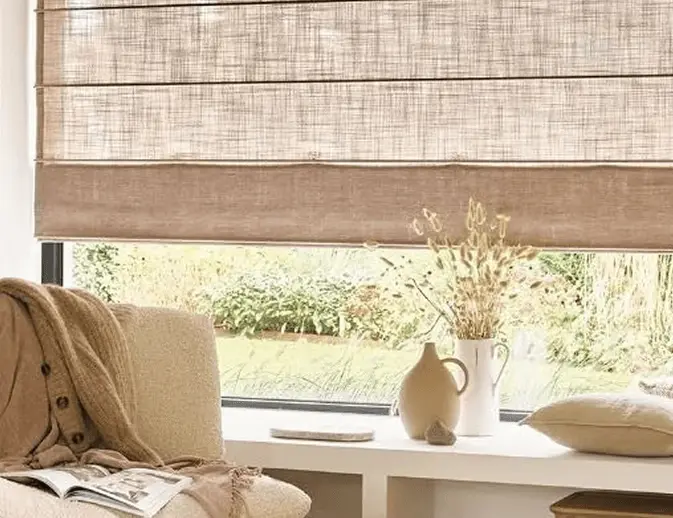
Evaluate each window individually rather than applying blanket rules. The same home will have different layering strategies in different spaces.
Room categories have different functional priorities. Here's how to think through each one.
High-Traffic, High-Function Rooms (Bedrooms, Media Rooms)
These are spaces where function absolutely trumps form. Layering earns its keep here.
For bedrooms, a full three-layer approach works: sheers for daytime privacy, blockout for sleep, drapes for luxury. For media rooms, a two-layer minimum: light control plus insulation to manage screen glare and acoustics.
Specific product combinations that work well include cellular shade plus sheer curtain, or blockout roller plus decorative drape. If you're unsure which combination suits your space, Romablinds can help you navigate the options based on your specific needs and budget.
Showcase Spaces (Living Rooms, Dining Rooms)
These are rooms where aesthetic impact matters most but functional needs are moderate.
Use selective layering: focus on statement windows like bay windows or picture windows, and keep others simple. The foundation plus statement approach works well—quality sheers or light-filtering blinds with beautiful hardware and fabric drapes.
Don't over-layer every window in these rooms. It creates visual competition rather than focal points.
Utility Spaces (Bathrooms, Laundries, Hallways)
These are single-layer territories where simplicity and practicality rule.
Choose moisture-resistant, easy-clean options: waterproof roller blinds, aluminium venetians, or privacy film. Layering fails here because of limited space, high humidity, low visual priority, and frequent window operation.
The one exception is a powder room or guest bathroom where a decorative Roman shade might add polish without compromising function.
The One Question That Settles Every Layering Debate
Does this window have a problem that one layer can't solve?
If the answer is no—if it just needs privacy, or just needs light control, or just needs style—one excellent layer beats multiple mediocre ones.
Layering is the solution when windows face multiple challenges simultaneously. Harsh sun plus street visibility plus aesthetic importance. West-facing exposure plus bedroom darkness plus thermal efficiency.
Sophisticated window treatments come from intentional choices, not maximum layers. Audit your own windows using this single-question filter. You'll likely find that half your windows work better with one well-chosen treatment, a quarter need two layers, and only a few justify the full three-layer approach.
Ready to make confident decisions about your window treatments? Romablinds specialises in custom solutions that balance style, function, and budget across Australian homes. Get in touch for a consultation that starts with what your windows actually need.