

Why Australian Homes Are Choosing Layered Window Treatments Over Single Solutions (2026 Guide)
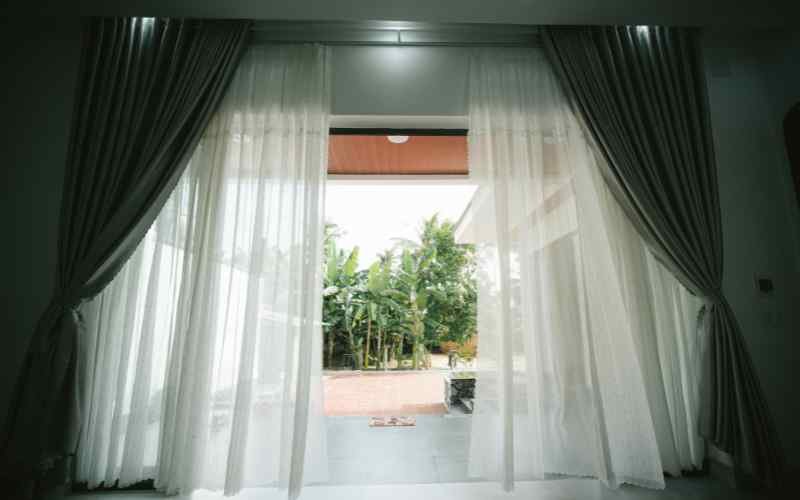
Walk into any newly renovated home in Sydney or Melbourne and you'll notice something different about the windows. They're not just dressed anymore. They're layered.
This isn't about piling on fabric for the sake of it. It's a practical response to a problem single window treatments have never solved properly: how do you get privacy, light control, energy efficiency, and good looks all at once?
You don't. Not with one treatment. That's why layering has moved from designer showrooms into everyday Australian homes.
The Single-Treatment Era Is Over: Why Australian Homes Are Doubling Up
For years, window treatments followed a simple rule: one window, one solution. Roller blinds for the kitchen. Curtains for the bedroom. Venetians for the office.
It worked. Sort of. Until you wanted to let light in without sacrificing privacy. Or needed insulation without blocking your view. Or wanted your living room to look different at 7am versus 7pm.
Single treatments force compromise. Layering eliminates it.
What Layered Window Treatments Actually Mean (And What They're Not)
Layering means combining two complementary window treatments on the same window. One handles function. The other adds flexibility or aesthetic depth.
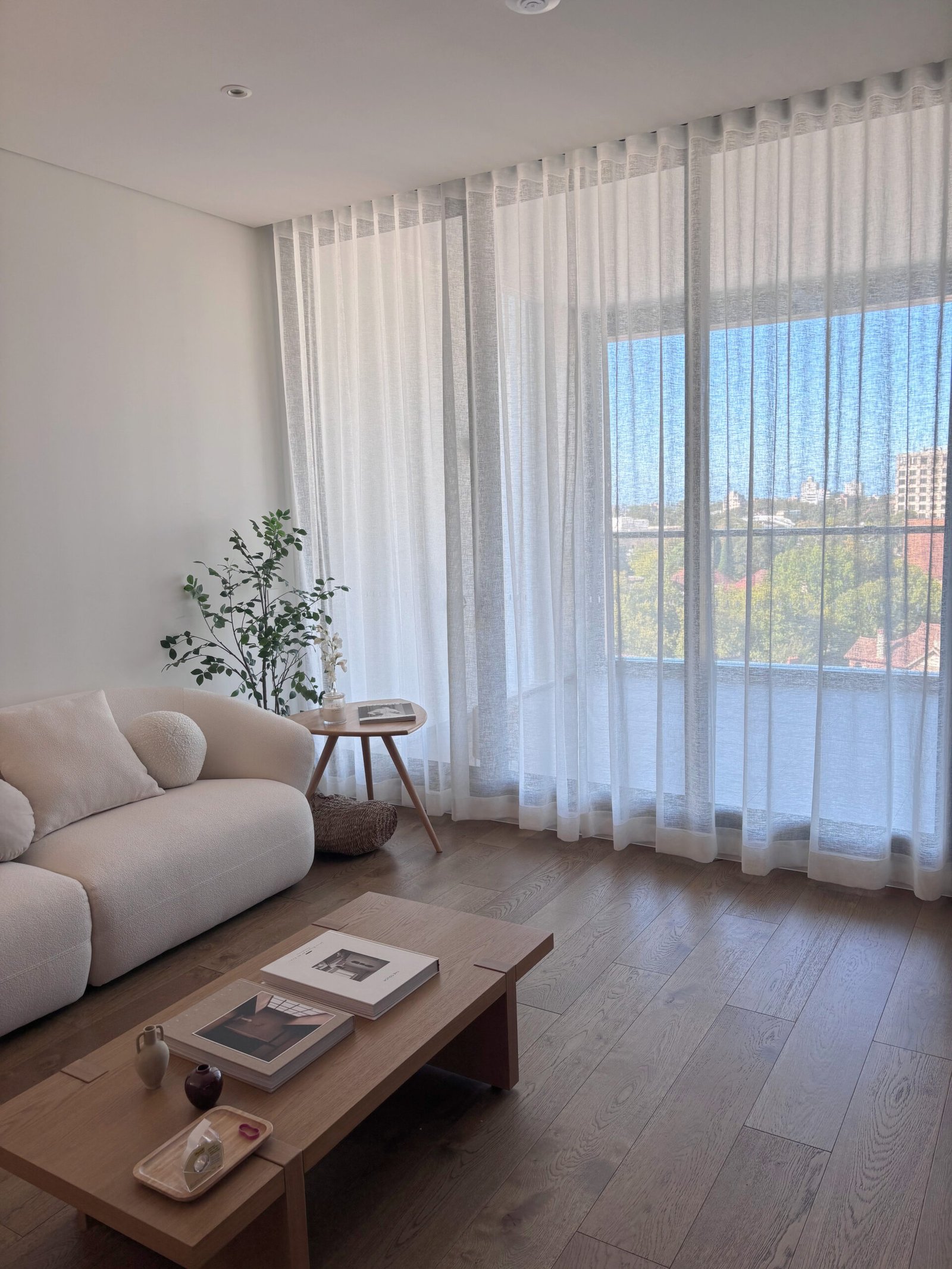
It's not about excess. A sheer curtain paired with a roller blind isn't decorative overkill. It's a system. The blind gives you complete privacy and light control when you need it. The sheer softens harsh light and maintains daytime privacy when the blind is up.
What it's not: three treatments fighting for space, mismatched fabrics creating visual chaos, or adding layers just because you saw it on Instagram.
The 2026 Catalyst: Three Forces Driving the Layering Movement
Three things converged to make layering standard practice rather than a luxury choice.
First, energy costs. Australian households are paying attention to insulation, and energy efficiency has become a critical consideration in home design. Windows are thermal weak points. Layering creates an air gap that actually reduces heat transfer.
Second, work-from-home permanence. Your living room now needs to function as an office at 9am, a play area at 3pm, and an entertaining space at 7pm. Single treatments can't adapt that quickly. Layered systems can.
Third, design sophistication. Australians are more design-literate than ever. Texture over trends is prioritizing materials and layered spaces that feel authentic rather than following fleeting fashion. Layering delivers that depth without requiring a complete redesign.
How Layering Solves Problems Single Treatments Can't Touch
Theory is fine. What actually changes when you layer?
The Light Control Paradox: Privacy Without Darkness
Single blockout blinds give you privacy. They also give you a cave. Single sheers give you soft light. They also give your neighbours a clear view of your morning routine.
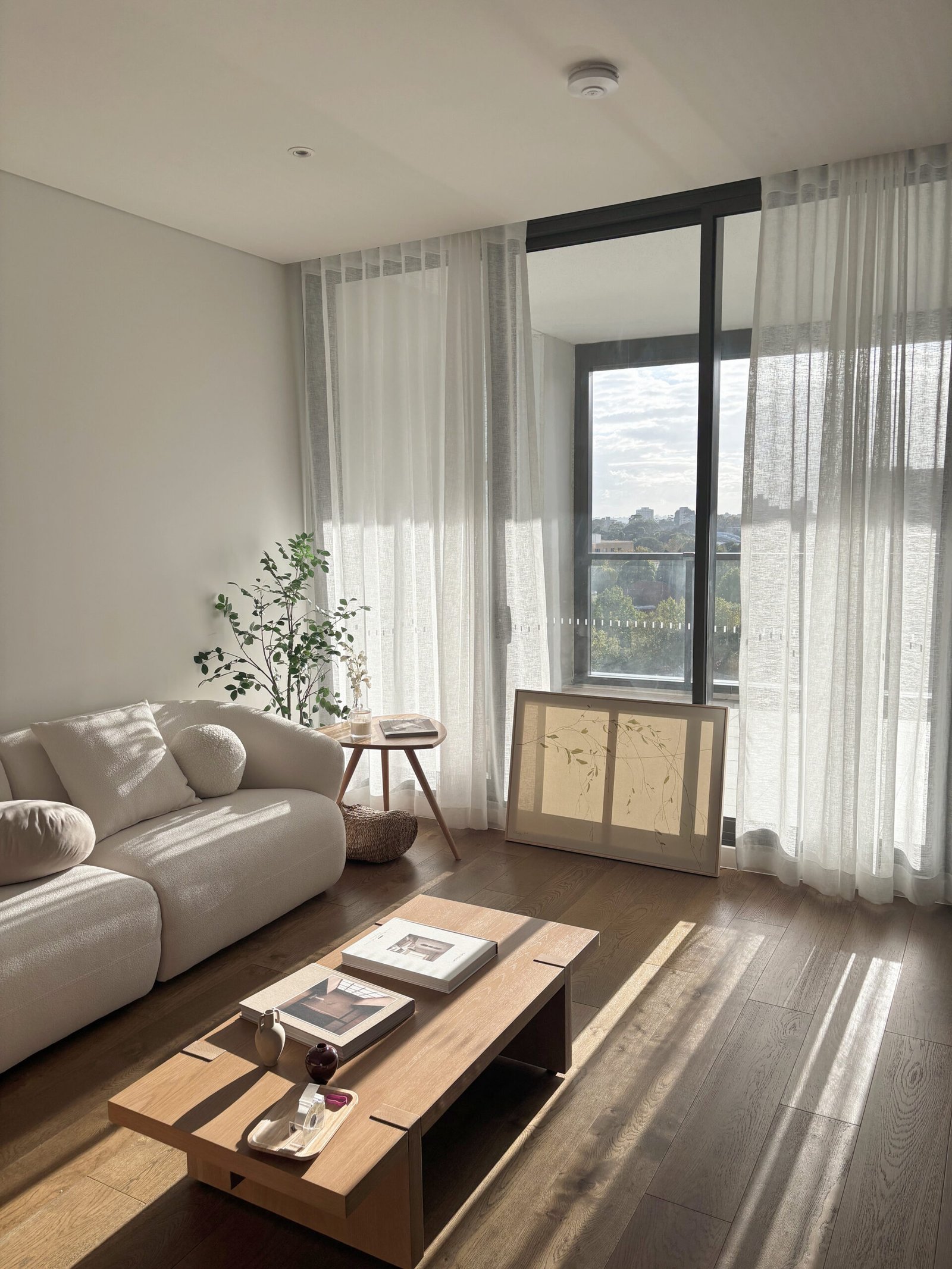
Layering solves this by separating privacy from light control. During the day, sheers diffuse harsh Australian sun while maintaining privacy. At night, the blockout layer closes completely. You get both functions without compromise.
This matters more than it sounds. Most people leave blockout blinds partially open during the day because full closure feels oppressive. That defeats the purpose of having them. Layering means you actually use both treatments properly.
Energy Efficiency That Actually Shows Up on Your Bill
The air gap between two treatments acts as insulation. It's not dramatic, but it's measurable.
In summer, the outer layer reflects heat before it reaches the glass. In winter, the gap traps warm air against the window. This reduces the load on your heating and cooling systems.
Will it halve your energy bill? No. Will it reduce heat gain in west-facing rooms during February? Absolutely. That's the difference between running your air conditioning constantly versus intermittently.
Design Flexibility That Adapts to Your Day (Not the Other Way Around)
Single treatments are binary. Open or closed. Layering gives you gradients.
Morning: sheers closed, blinds up. Soft light, full privacy.
Midday: both open. Maximum light and view.
Evening: sheers open, blinds closed. Privacy without losing the sense of space.
Night: both closed. Complete darkness and insulation.
Your window treatment adapts to what you're doing, not the other way around. That's the functional advantage no single solution delivers.
The Five Layering Combinations Australian Designers Are Installing Right Now
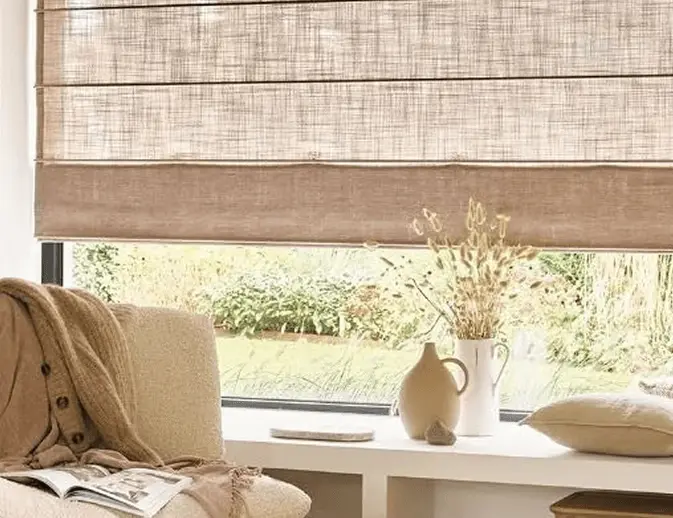
Not all combinations work. These five do, and they're showing up in homes across the country.
Sheer Curtains + Roller Blinds: The Coastal Classic
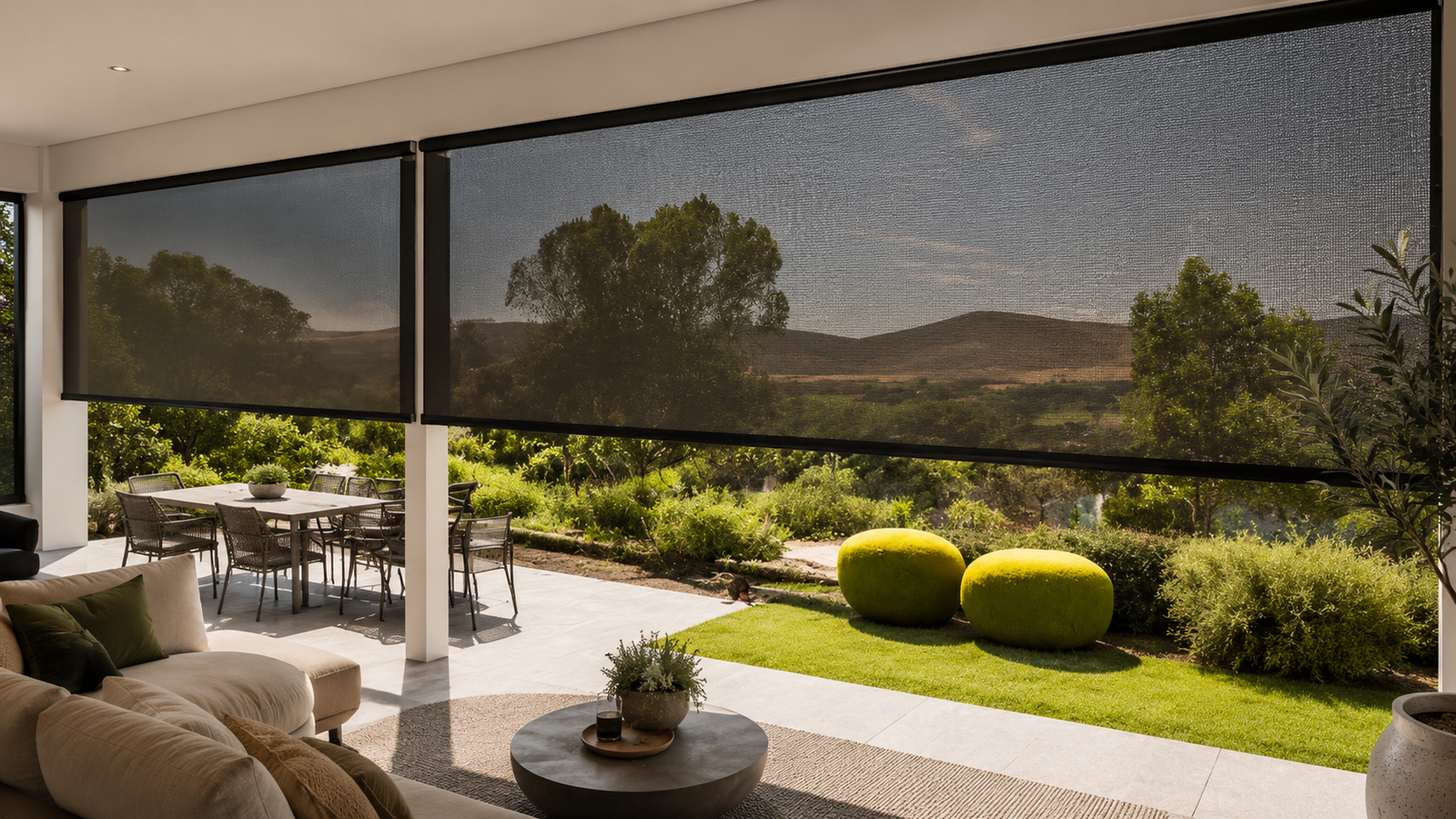
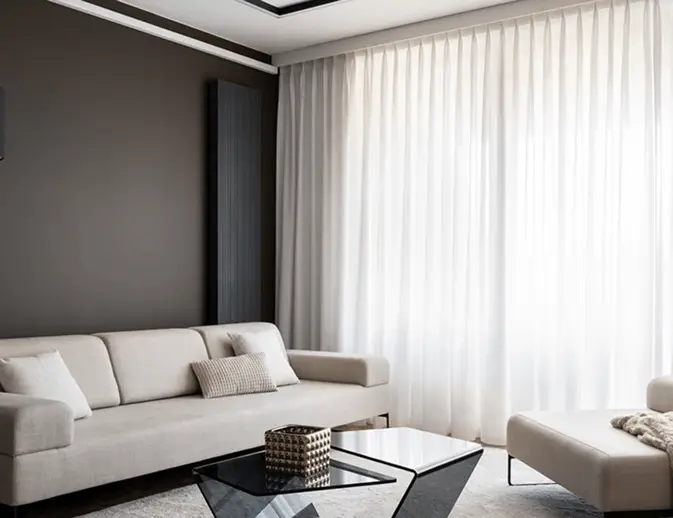
This is the default for a reason. Roller blinds handle the functional work: light control, privacy, UV protection. Sheer curtains add softness and movement.
It works particularly well in coastal areas where you want to maintain a connection to the view without the glare. The sheers stay closed most of the day. The blinds drop when you need them.
Plantation Shutters + Blockout Curtains: The Bedroom Sanctuary
Shutters give you adjustable light control during the day. Blockout curtains give you complete darkness at night.
This combination also adds serious insulation. The shutter creates an air gap. The curtain adds a fabric barrier. Together, they keep bedrooms cooler in summer and warmer in winter.
If you're considering this combination, Romablinds specializes in custom layering solutions that ensure proper mounting and fabric coordination.
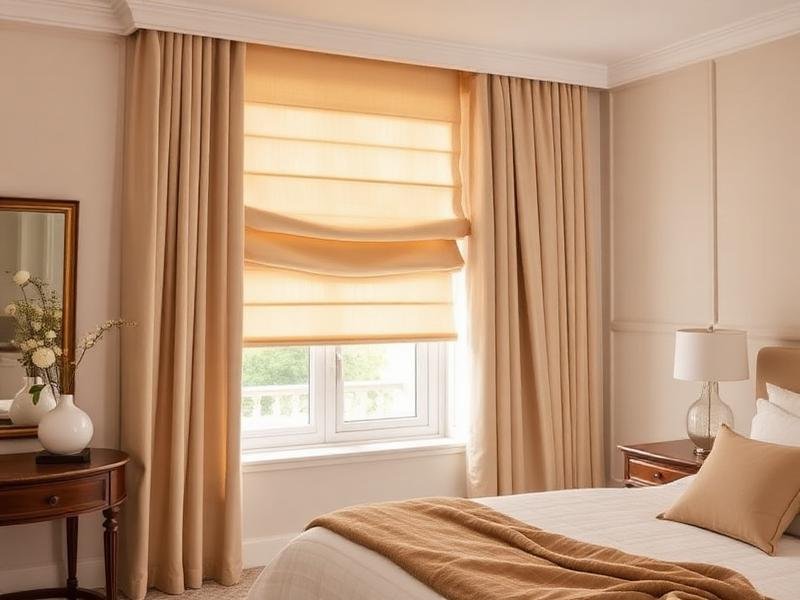
Roman Blinds + Sheer Panels: The Living Room Sophisticate
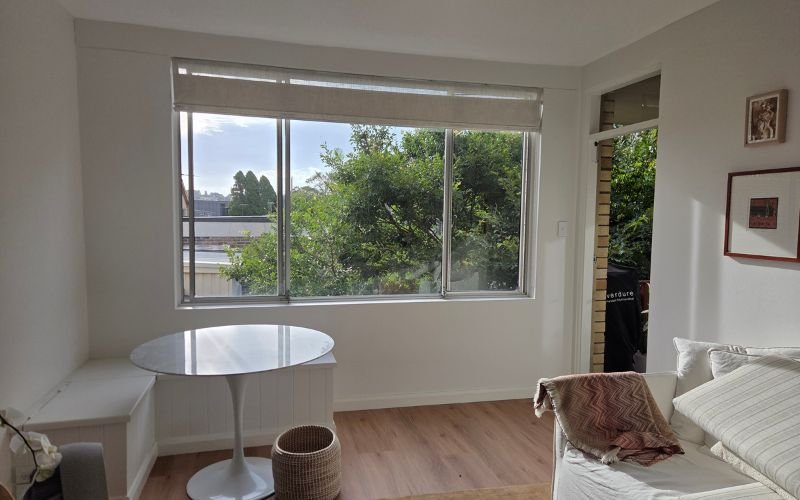
Roman blinds add structure and texture. Sheer panels add elegance and softness. The combination creates visual interest without overwhelming the space.
This works best in formal living areas where you want the room to feel finished rather than functional. The roman blind becomes a design feature. The sheer panel ensures you're not staring at a fabric panel all day.
Cellular Blinds + Linen Drapes: The Energy Saver
Cellular blinds trap air in their honeycomb structure. Linen drapes add a second insulating layer. This is the most thermally efficient combination you can install without moving to double glazing.
It's particularly effective in rooms with large windows or poor orientation. West-facing living rooms. North-facing bedrooms in Queensland. Anywhere heat gain or loss is a genuine problem.
Timber Venetians + Voile Curtains: The Heritage Refresh
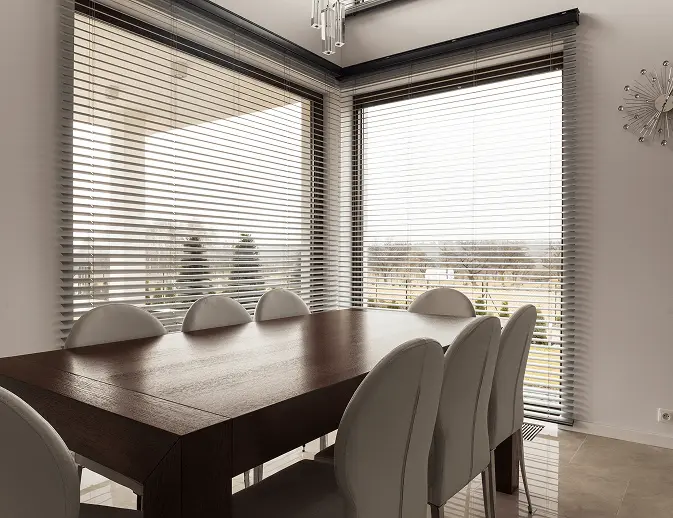
Timber venetians suit period homes and heritage properties. Voile curtains soften the look without hiding the architectural detail.
This combination respects the character of older homes while adding modern functionality. The venetians give you precise light control. The voile prevents the room from feeling stark or institutional.
Getting the Layering Wrong: Three Mistakes That Kill the Look
Layering isn't foolproof. These three mistakes show up repeatedly.
Mismatched Mounting Heights That Break Visual Flow
When your curtain rod sits 10cm above your blind pelmet, it looks unfinished. The eye catches the gap and the whole installation feels amateur.
Both treatments should align at the top. If they can't, the curtain rod should sit high enough that the difference reads as intentional rather than accidental. This usually means mounting the rod at ceiling height.
Fabric Weight Conflicts That Create Bulk Instead of Elegance
Heavy blockout curtains paired with thick roman blinds create bulk, not layering. The window looks overdressed and the room feels smaller.
One layer should be substantial. The other should be light. Blockout roller blind with sheer curtain. Timber venetian with voile panel. Cellular blind with linen drape. The contrast is what makes it work.
Over-Layering: When Three Treatments Are Two Too Many
Some people see layering and think more is better. It's not.
Three treatments on one window rarely works. It creates visual competition, makes the window difficult to operate, and usually signals that you haven't committed to a clear functional goal.
Two treatments. One functional, one flexible. That's the formula.
Why This Isn't Just Another Trend That'll Fade by 2027
Design trends come and go. Layered window treatments aren't going anywhere.
The reason is simple: they solve real problems. Energy efficiency matters when you're paying the bills. Light control matters when you're working from home. Privacy matters when your neighbour's window is 3 metres from yours.
Single treatments force you to choose which problem to solve. Layering lets you solve all of them. That's not a trend. That's better design.
The homes being built and renovated now are incorporating layering from the start. It's becoming standard specification rather than an upgrade. That tells you everything you need to know about staying power.
If you're renovating or building and want to get layering right from the start, working with specialists makes the difference between a system that works and one that looks good in theory but fails in practice. Romablinds can help you design and install layered treatments that suit your specific windows, orientation, and how you actually use each room.
The single-treatment era solved one problem at a time. Layering solves them all at once. That's why it's not going anywhere.