

When One Window Treatment Isn’t Enough (And How to Layer)
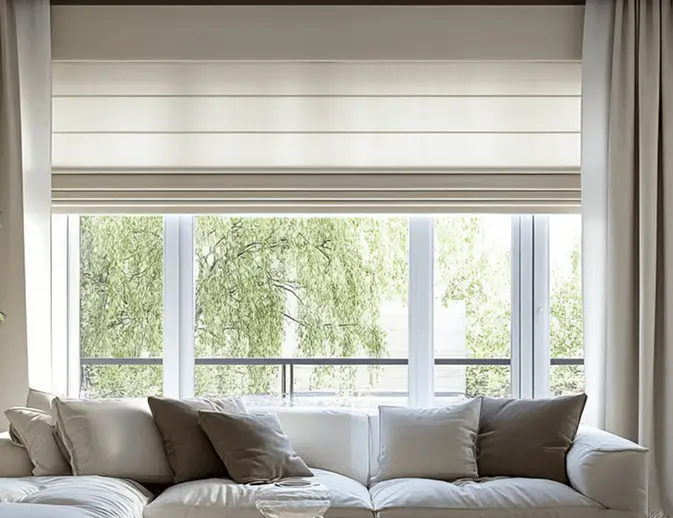
You've probably stood in front of your windows more times than you'd like to admit, pulling blinds halfway down, then back up, then halfway again. Or you've bought beautiful curtains that look perfect but let in every bit of morning light. The question isn't whether your windows need dressing. It's whether one solution can actually do everything you need it to.
Sometimes it can't. That's when layering makes sense. This isn't about buying more for the sake of it. It's about solving specific problems that a single window treatment simply can't handle. If you're constantly fighting your windows instead of enjoying them, you're probably dealing with one of those problems.
The telltale signs you're fighting your windows (not styling them)
The clearest sign you need more than one treatment? You're adjusting things constantly and never quite getting it right. You close the blinds to cut glare, then the room feels like a cave. You open them for light, then you can't see your screen. Sound familiar?
These aren't small annoyances. They're indicators that whatever you've got on your windows is being asked to do too much. The following scenarios show up in homes everywhere, and they all point to the same conclusion: one layer can't solve everything.
When glare hits at 3pm but you still want to see outside
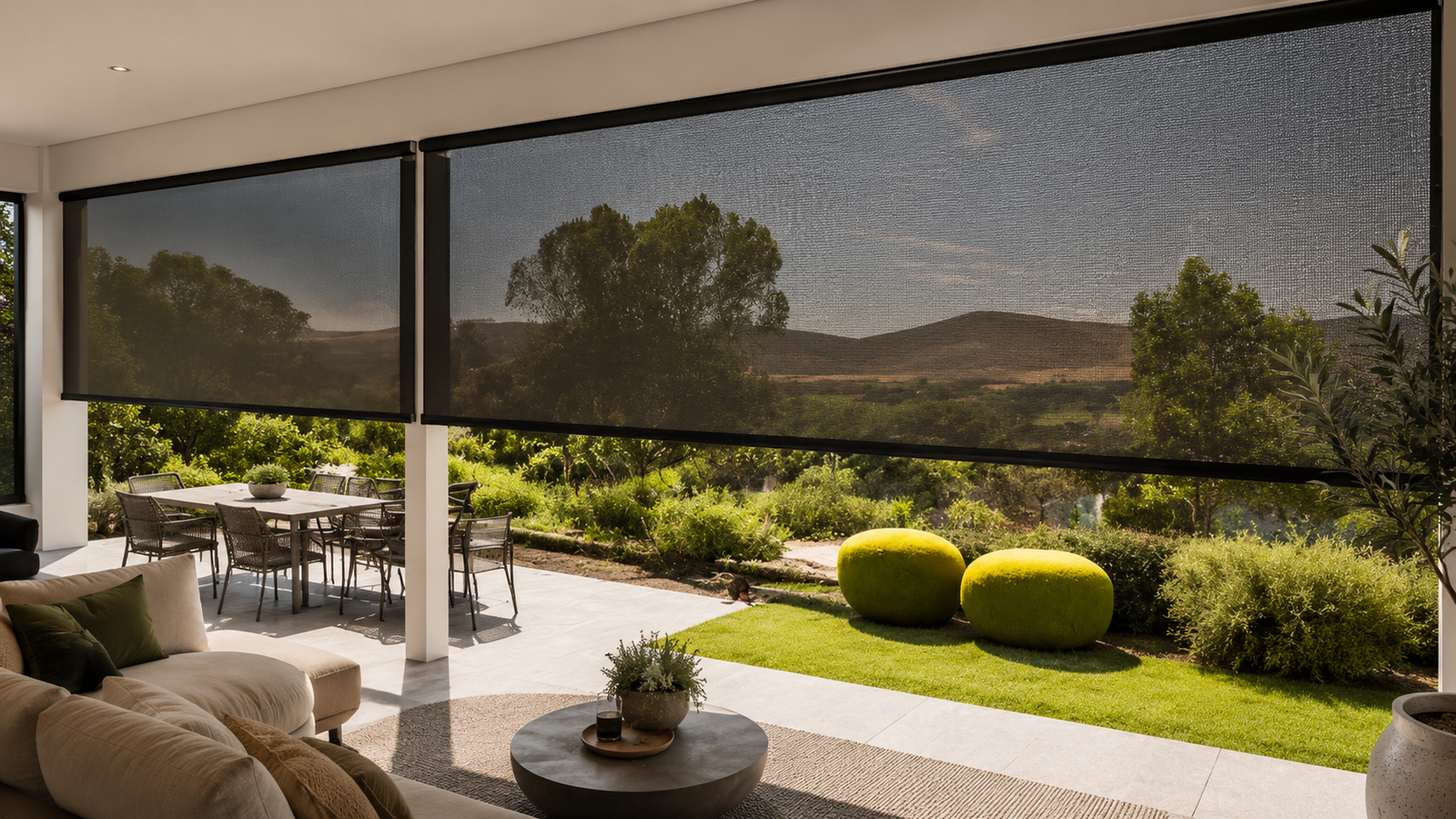
Afternoon sun turns screens into mirrors and makes living rooms unbearable. But closing the blinds completely feels like shutting yourself in. This happens most often in home offices, living rooms with TVs, or any space you actually use during peak sun hours.
A single treatment forces a choice: deal with the glare or lose the view. Neither option works. You end up adjusting blinds throughout the day, trying to find a middle ground that doesn't exist.
When your bedroom curtains look great but don't actually block light
You chose curtains that match your room perfectly. They hang beautifully. They also let in every streetlight and every sunrise. The gap between decorative and functional becomes obvious the first night you try to sleep.
Buying thicker curtains might solve the light problem, but then you lose the look you wanted. You're back to choosing between style and sleep. That's the either/or dilemma layering solves.
When your living room feels cold in winter despite closed blinds
Blinds alone often leave gaps around the edges. They don't provide much insulation. Layered window treatments improve insulation, preventing heat loss in winter and keeping rooms cooler in summer. The reverse problem shows up too: rooms get uncomfortably hot even with blinds down.
This connects directly to energy bills. Not in a dramatic way, but enough that you notice the difference when you're running heating or cooling constantly to compensate for what your windows aren't doing.
What layering actually means (and what it doesn't)

Layering is simple: you combine two different window treatments on the same window, each serving a distinct purpose. That's it.
It's not about doubling up on the same type. It's not purely decorative. And it's not necessarily expensive. The problems outlined above each need two different solutions working together. One handles the practical job. The other adds the visual appeal or secondary function.
The two-layer system: one for function, one for style
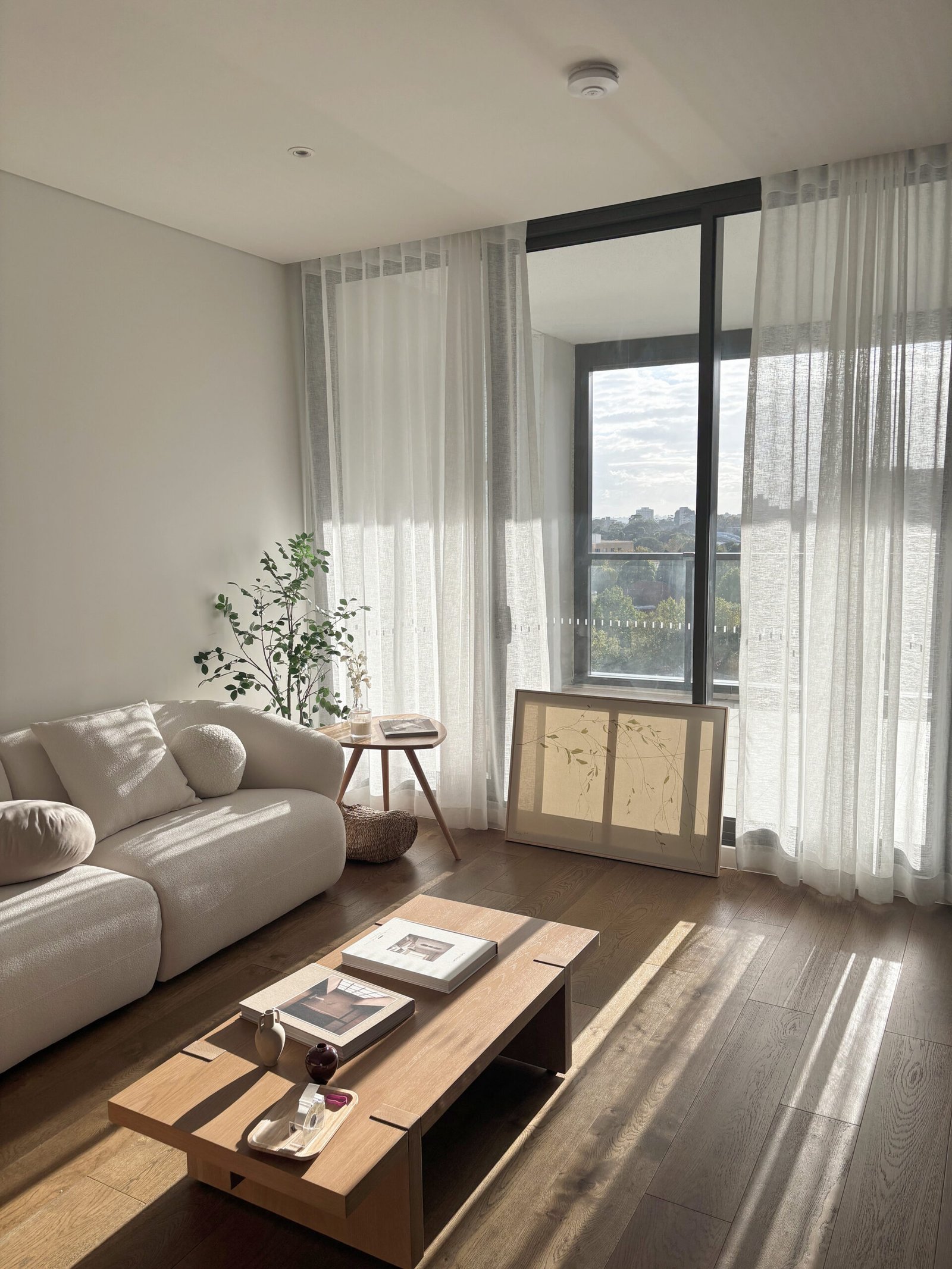
The basic principle: your inner layer, closest to the glass, handles the practical work. Light control, privacy, insulation. Your outer layer adds softness, colour, texture. This approach enhances light control, giving you flexibility throughout the day.
Quick example: a roller blind manages light precisely. Curtains soften the room and add warmth. Each does what it's good at. Neither tries to do everything.
Why you're not just buying twice as much stuff
Layering lets you buy a basic functional piece plus a decorative piece, rather than one expensive item trying to do both jobs poorly. You can choose budget options for the hidden layer. The functional blind doesn't need to look beautiful because no one sees it when the curtains are closed.
You also get flexibility. Change the curtains to update your style without replacing the functional component. That's value, not excess.
The three combinations that solve most problems
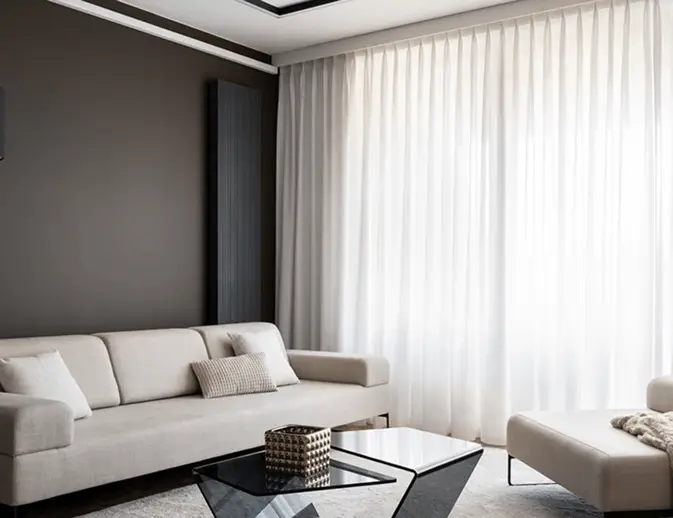
These pairings address the common frustrations outlined earlier. Each suits specific rooms and needs. Pick the one that matches your actual problem, not the one that looks best on Pinterest.
Sheer curtains plus blockout curtains: the bedroom standard
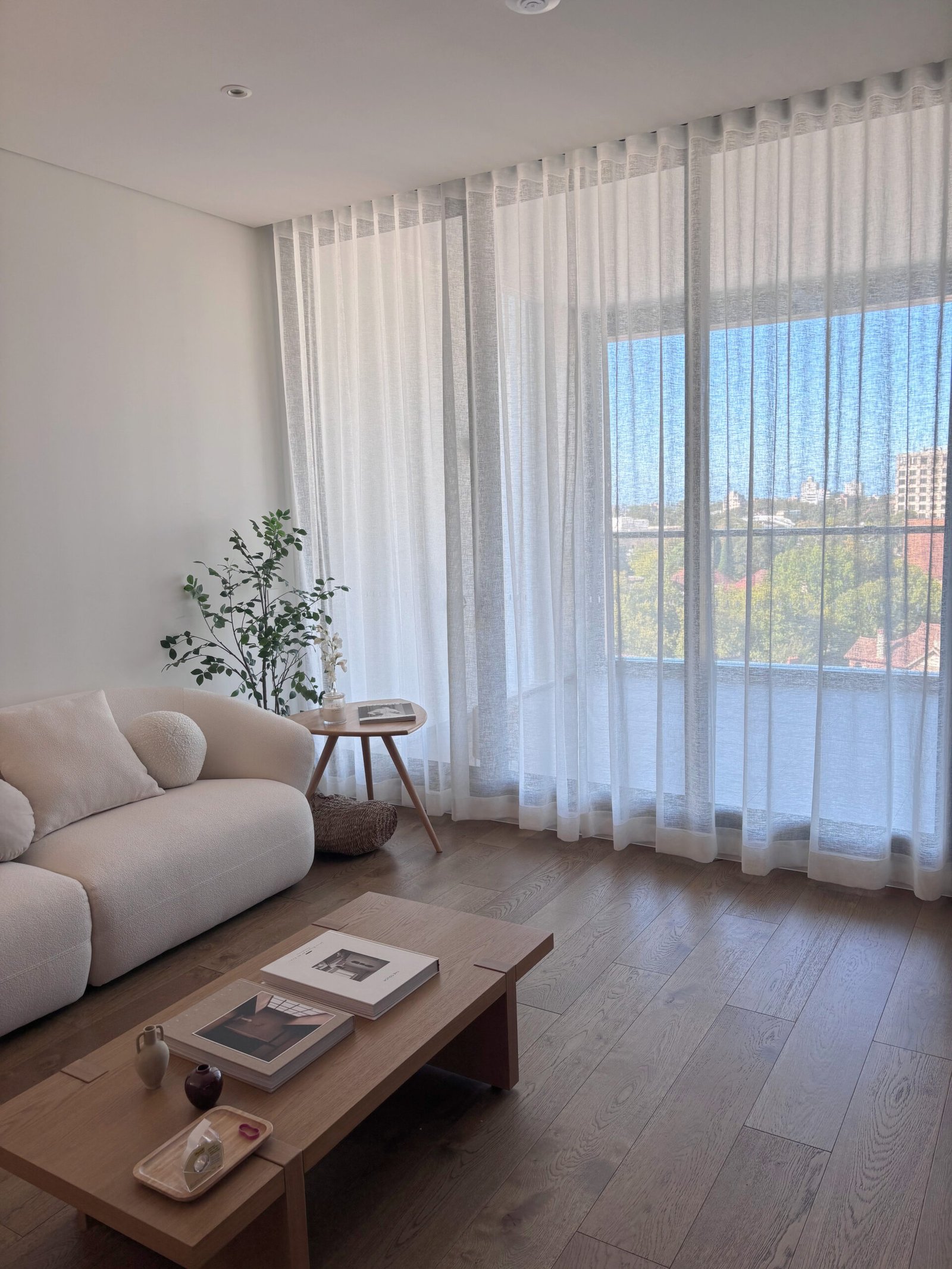
This solves the bedroom dilemma perfectly. Sheers by day, blockouts by night gives you daytime privacy and soft light, then complete darkness for sleeping.
In practice, sheers stay closed most of the time. They filter light and prevent people seeing in during the day. Blockout curtains open during the day, close at night. You get the look you want and the sleep you need.
Roller blinds plus floor-length curtains: the living room workhorse
This pairing handles the 3pm glare problem and the winter insulation issue. The roller blind, mounted inside the frame, gives you precise light control. Floor-length curtains with blinds that fit snugly within the window frame create a clean aesthetic, making rooms feel bigger while adding warmth and style.
The roller blind can be sheer, light-filtering, or blockout depending on what you need. The curtains provide the insulation and visual softness. Together, they solve both problems without compromise.
Roman blinds plus lightweight drapes: the kitchen compromise
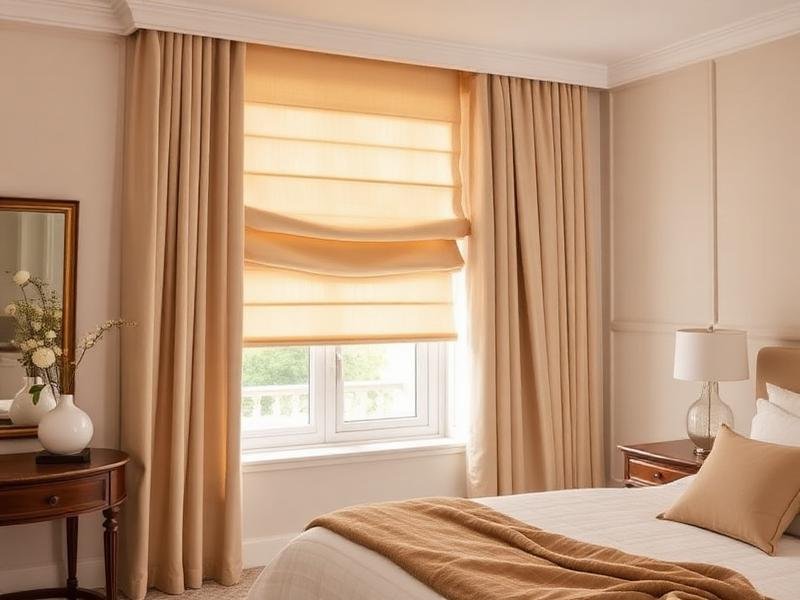
Full curtains feel too heavy in kitchens or bathrooms. Roman blinds handle the functional work: light control and privacy. Lightweight drapes soften the look without overwhelming smaller windows.
The drapes can be purely decorative panels that don't close. They frame the window, add colour, but stay out of the way. This works particularly well where you need function but don't want the visual weight of full curtains.
How to layer without looking cluttered
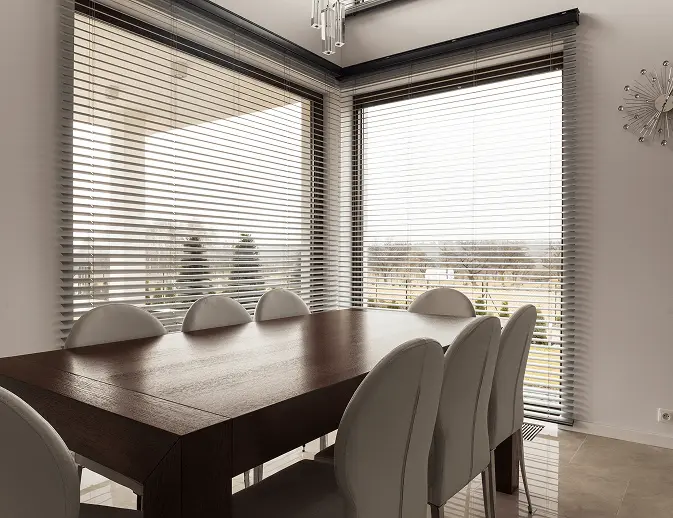
The main fear is valid: adding two treatments could make windows look busy. But three simple rules keep layered windows looking intentional and clean. This is easier than you think.
Keep the inner layer tight to the window frame
Your inner layer should sit within or very close to the frame. This creates visual separation between the two layers. It prevents the stacked look where both treatments compete for space.
Inside mount blinds sit within the frame. Outside mount can work if they're close. The key is creating clear distinction between the functional layer and the decorative one.
Match your metals and keep hardware minimal
Choose the same metal finish for both treatments. All chrome, all brass, all black. Accessories like decorative rods elevate the look, but consistency matters more than cost.
Keep hardware simple on the functional layer. Save decorative elements for the outer layer. You don't need expensive hardware. You need consistency.
The one-pattern rule for mixing textures
If one layer has pattern, the other should be solid. Careful selection prevents overwhelming spaces with patterns or colours. Texture variation adds interest without visual chaos.
Patterned Roman blind with solid curtains works. Solid blind with patterned curtains works. Both patterned rarely does. Texture is your friend here: linen, velvet, woven fabrics all add depth without competing.
Start with the problem, not the Pinterest board
Go back to the opening frustrations. Which specific problem are you trying to solve? Glare needs light-filtering plus decorative. Sleep needs blockout plus sheer. Cold rooms need insulation-focused pairing.
Function should drive the choice. Fabric samples help with customisation decisions, letting you test options before committing. Layering solves real problems, not just aesthetic ones.
If you need expert guidance on which combination suits your specific windows and rooms, contact Romablinds for professional advice. They specialise in custom solutions that balance function and style without the guesswork. For more insights on window treatment options, visit the Blog or explore the differences in Modern Vs Classic Roman Blinds Which One Suits Your Home.